


Greater improvement in plant performance has become a recent emphasis in agriculture. Growers of crops have shifted from demanding more product alone to crops that not only produce abundantly in a short period of natural growth but also have the ability to tolerate stress while maintaining optimal health status. Consequently, there has been rising inclination to natural biostimulants like Policosanol, of which Triacontanol is its active ingredient.
Policosanol (Triacontanol) is not a traditional fertilizer, nor does it replace macronutrients like nitrogen, phosphorus, or potassium. What it does is promote plant physiology functions, helping plants grow strong, and improve their ability to utilize nutrients effectively, especially in adverse environmental conditions.
This article addresses how Policosanol (Triacontanol) enhances plant growth, its benefits for different types of crops, and reasons why Policosanol has emerged as an integral element of sustainable agriculture practices.
What Is Policosanol (Triacontanol)
Policosanol: A natural compound consisting of long chain fatty alcohols, primarily extracted from these sources:
- Sugarcane wax
- Rice bran wax
- Wheat germ
- Natural Plant Source
- Other natural plant sources
Of these compounds, the most biologically active and contributing the most to growth promotion is Triacontanol, commonly referred to as C30.
Triacontanol occurs naturally in the cuticular waxy layers in plants. This works as a natural defense mechanism that secures the leaves and stems from the loss of water, overheating, UV radiation, and pathogens. Triacontanol applied in agriculture works by naturally boosting the protection mechanism rather than promoting forced growth.

What Does Improved Plant Performance Mean?
Improved plant performance could include an array of factors, including:
- More rapid and more even growth
- Robust Root and Shoot Growth
- Effective nutrient uptake and utilization
- Enhanced resistance to stress
Improved flowering, fruit development, and yield characteristics
Policosanol (Triacontanol) is involved in all of these, making it a useful plant biostimulant.

Methods by Which Policosanol (Triacontanol)
1. It increases the efficiency of photosynthesis.
"Photosynthesis is the basic foundation of productivity in plants. Triacontanol enhances plant performance because it:"
- Increasing Chlorophyll Concentration
- Promoting carbon dioxide assimilation
- Enhancing stomatal function
- Inducing ATP (Energy) Production
This is because the increased energy available translates to faster growth rates, larger leaves, and more biomass for the plants.
2. It Encourages the Development of
Root development also impacts nutrient and water absorption. Policosanol Triacontanol:
- Primary root elongation
- More lateral roots
- Enhanced root hair development
- Increased absorption of water and minerals
A plant with strengthened roots can grow effectively in poor soil, during drought conditions, or in low nutrient levels.
3. Enhances Nutrient Use Efficiency
Instead of providing nutrients for the plants, Triacontanol assists the plants in better utilization of fertilizers in the following ways:
- Improved Nitrogen Metabolism
- Enhanced uptake of phosphorus and potassium
- Aiding nutrient transport in plant tissues
- "Increasing enzyme activity can relate to cell growth. Higher
This increased efficiency leads to more healthy plants, even with less fertilizing.
4. Enhances Plant Strength and Vigor
Plants treated with Policosanol will:
- Thicker and stronger stems
- Leaves that are bigger and green
- Improved canopy structure
- Reduced lodging in field crops
Better crop structural support enhances light capturing and resistance to physical injury and increase potential crop yield.
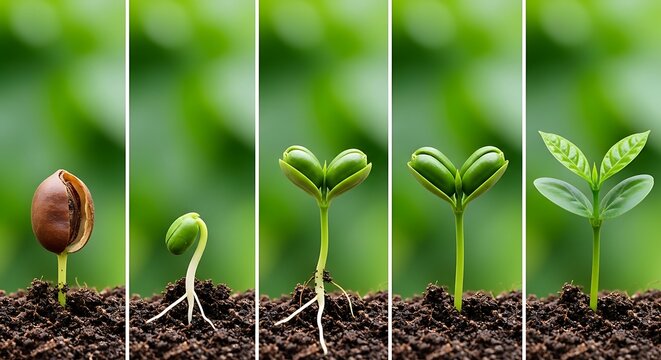
Reducción del Estrés a través del Meizitang
Environmentally stressful conditions decrease plant performance. Policosanol Triacontanol: The compound assists plants in coping with stressful conditions.
1. Drought Stress Tolerance
Triacontanol enhances the wax coating of the plant to prevent transpiration of water. Plants remain able to grow even when it is not raining because of triacontanol's presence.
2. Resistance to Heat Stress
High temperatures could hamper plant cell growth and cause a lower yield for plants exposed to high temperatures. Additionally, policosanol fosters the stability of plant cell membranes and stimulates plant defenses against oxidation caused by high temperatures through antioxidant pathways.
3. Salt Tolerance/Soil Stress Tolerance
In salt or nutrient-deficient soils, Triacontanol enhances root function and osmotic regulation to enable the nutrient absorption and growth of plants.
4. Improved Natural Disease Resistance
Though not a pesticide, Policosanol enhances plant health by:
- Increasing cell walls
- Engaging enzyme systems involved in plant defense responses
- Lowering susceptibility to fungal and bacterial infections
Stronger plants will always have a better resistance to disease.
:max_bytes(150000):strip_icc()/do-outdoor-plants-need-fertilizer-GettyImages-138093383-32d92ce326984b3bb4334e8aba3dd5bc.jpg?size=556x0 "Policosanol (Triacontanol) supplier")
Impact on Flowering, Fruit Setting, and Yield
The increased efficiency of the plants promotes better reproductive growth. Farm owners commonly notice the following:
- More flower production
- Less flower and fruit abscission
- Enhanced fruit set and grain filling
- Improved size and color of fruits and vegetables
These benefits are particularly important for vegetables, fruits, and high-value plants in horticulture.
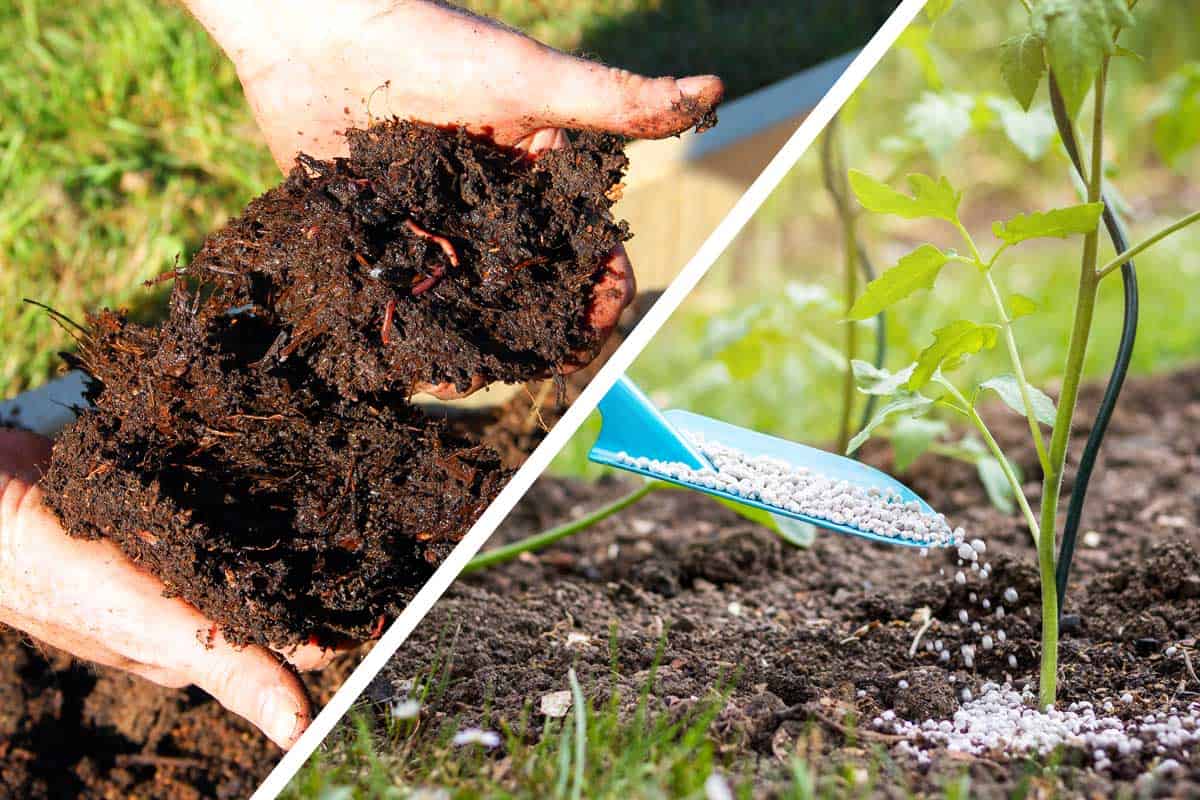
Plants That Use Policosanol (or Triacontanol
Policosanol Triacontanol has been effectively applied in:
- Vegetables (tomato, pepper, cucumber, leafy
- Fruit trees: (citrus, mango, banana, grapes
- Crop plants (rice, corn, wheat, etc
- Oilseeds & legumes
- Ornamentals and Flowering Plants
- Agricultural Crops (cotton, sug

Application Methods to Achieve Best Results
Foliar Application
- Dosage: 10–
- Frequency: Every 10-15 days
- Best time: Early morning hours and late afternoon
Seed Treatment
Improves germination and seedling establishment.
Soil or Drip Irrigation Application
Encourages root development and nourishment.
Compatibility
Policossanol is compatible with almost every fertilizer, micronutrient, humic substance, seaweed extract, or amino acids.
Why Policosanol (Triacontanol) Supports Sustainable
- Completely Natural Ingredient - Obtained From Plants
- Also works well when applied at a very low concentration
- Non-toxic and residue-free
- Environmentally safe for soil microorganisms
- Can be applied in ecological and low-input agriculture.
It assists farmers in increasing crop yields and minimizing the effect on the environment.
Conclusion: Policosanol (Triacontanol) is a Powerful Tool for Improving Plant Performance
The use of Policosanol (Triacontanol) to enhance plant performance is an intelligent and eco-friendly method for modern farming. Through its mechanisms of improving photosynthesis, increasing root and plant development strength, optimizing nutrient use efficiency, and providing tolerance to stresses, crops are able to develop to their maximum potential. For those plant growers who want faster growth, healthier plants, and easier yields, Policosanol Triacontanol is an effective formula that works with plants, not against them.


