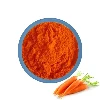
Carotenoids are naturally occurring pigments that play important nutritional and biological roles in animal nutrition. As interest grows in functional feed ingredients and nutrient-enriched animal products, Premium Carotene Powder for Livestock and Poultry Nutrition is becoming an important ingredient for feed manufacturers, premix producers, and animal nutrition companies.
Carotene is a group of fat-soluble carotenoids found naturally in plants, algae, and other biological sources. Among them, beta-carotene is particularly important because it can act as a precursor of vitamin A in many animal species. Carotenoids can also contribute to pigmentation and may provide antioxidant activity.
In animal production, dietary carotenoids can be transferred from feed into animal tissues and products such as eggs, milk, and meat. This makes carotene powder useful not only as a nutritional feed ingredient but also as part of strategies for producing carotenoid-enriched livestock products.
What Is Carotene Powder?
Carotene Powder is a concentrated powdered form of carotenoid pigments, commonly containing beta-carotene as a major component.
Beta-carotene is a yellow-orange carotenoid naturally found in many plants and is one of the best-known provitamin A carotenoids. Animals generally obtain carotenoids through their diets rather than synthesizing them de novo.
For commercial feed applications, carotene may be supplied in a stabilized powder or formulated preparation designed for better handling, mixing, and protection against environmental degradation.
The exact characteristics of a carotene powder depend on its source, concentration, carrier, encapsulation technology, particle size, and stabilization system.
Why Use Carotene Powder in Animal Feed?
Carotenoids have several functions that make them interesting for livestock and poultry nutrition.
The most relevant applications include:
- Supporting vitamin A nutrition when beta-carotene is bioavailable as a provitamin A source
- Providing dietary carotenoids
- Supporting antioxidant defenses
- Contributing to pigmentation of animal-derived products
- Supporting the production of carotenoid-enriched eggs and milk
- Adding functional value to poultry and livestock feed formulations
However, the nutritional response varies among animal species because carotenoid absorption, metabolism, conversion, and deposition are species-dependent.
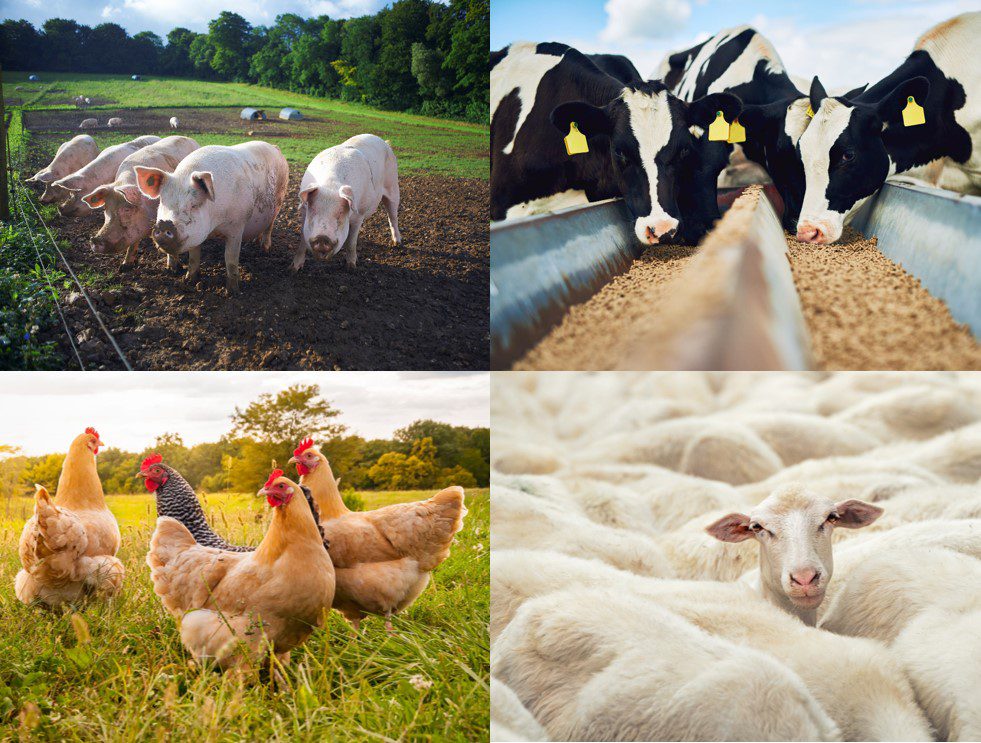
Benefits of Carotene Powder for Poultry Nutrition
1. Supports Vitamin A Nutrition
One of the most important nutritional characteristics of beta-carotene is its role as a provitamin A carotenoid.
Animals can convert beta-carotene into vitamin A through enzymatic pathways, although conversion efficiency differs among species and depends on nutritional and physiological factors.
Vitamin A is important for normal physiological functions, including vision, epithelial tissues, reproduction, immune function, and growth. Therefore, beta-carotene can contribute to a poultry nutrition program when it is biologically available and appropriately formulated.
It should not, however, be assumed that beta-carotene can always replace preformed vitamin A at a one-to-one ratio. Conversion varies considerably between animal species and production conditions.
2. Provides Dietary Carotenoids
Supplementing feed with carotenoids can increase the amount of these compounds available to poultry.
Research reviewing carotenoid enrichment in livestock products shows that dietary supplementation can increase carotenoid deposition in animal-derived products, including eggs, milk, and meat.
For poultry producers, this provides an opportunity to develop feed programs designed around both nutritional requirements and carotenoid enrichment.
3. Supports Egg Yolk Pigmentation
Carotenoids are important contributors to egg yolk color.
Lutein and zeaxanthin are particularly important yellow pigments naturally deposited in egg yolks, while other carotenoids can contribute additional yellow-orange or red-orange tones.
Beta-carotene can therefore be incorporated into broader carotenoid strategies for laying hens.
Research on carotenoid supplementation shows that dietary carotenoids can be transferred into eggs and that feeding strategies can be used to modify egg yolk carotenoid composition.
For commercial egg producers, carotene powder can be combined with other approved carotenoid sources to develop a desired pigmentation profile.
4. Provides Antioxidant Potential
Carotenoids are also studied for their antioxidant properties.
Beta-carotene and other carotenoids can participate in mechanisms related to oxidative stress, although their effects depend on concentration, biological environment, animal species, and dietary conditions.
For this reason, carotene powder may be included in functional feed formulations designed to provide additional antioxidant nutrients.
It is more appropriate to describe this as antioxidant support rather than claiming that carotene prevents or treats specific poultry diseases.
Carotene Powder for Livestock Nutrition
Carotenoids are also relevant to ruminant nutrition.
For cattle, dietary carotenoids from forage and feed ingredients can be transferred into animal tissues and dairy products. Beta-carotene is particularly important in bovine milk, where it can represent a major proportion of total milk carotenoids.
Dairy Cattle
Beta-carotene is naturally present in green forages and can contribute to the carotenoid content of milk.
Carotenoids also contribute to the characteristic color of dairy products. Research on ruminants has examined the movement of carotenoids from forage through the animal into milk and other dairy products.
Supplemental carotene can therefore be considered when developing specialized dairy nutrition programs, particularly where forage carotenoid supply is variable.
Beef Cattle
Carotenoids are also present in cattle tissues, although the deposition pattern differs among tissues and animal species.
Research has investigated beta-carotene supplementation in cattle and its relationship with carotenoid status and deposition. The response should be evaluated according to animal age, diet, production system, and nutritional requirements rather than assuming a universal benefit.
Other Livestock
Carotenoid supplementation may also be considered in specialized diets for other livestock species. However, bioavailability and metabolism vary substantially between species, so feed formulations should be species-specific.

Carotene Powder for Poultry and Livestock Products
One of the interesting characteristics of dietary carotenoids is their ability to move from feed into animal-derived products.
Research has documented carotenoid deposition in:
- Eggs
- Milk
- Meat
- Poultry tissues
- Other animal products
This process depends on absorption, transport, metabolism, tissue uptake, and the specific carotenoid involved.
This makes carotene powder potentially useful for producers interested in carotenoid-enriched animal products.

Carotene Powder for Laying Hens
For laying hens, carotene can be incorporated into feed as part of a broader carotenoid nutrition strategy.
The resulting egg yolk color depends on the complete carotenoid profile of the diet rather than beta-carotene alone.
Important dietary pigments include:
| Carotenoid | Typical color contribution |
|---|---|
| Beta-carotene | Yellow-orange |
| Lutein | Yellow |
| Zeaxanthin | Yellow to orange-yellow |
| Canthaxanthin | Orange-red |
| Astaxanthin | Red-orange |
Using different carotenoids together allows feed manufacturers to adjust the overall yolk pigmentation profile.
Research has shown that dietary modification can increase carotenoid deposition in eggs and influence their carotenoid composition.

Carotene Powder for Dairy Cattle
Dairy cattle receive carotenoids primarily from forage and feed.
Fresh green forage can contain significant amounts of carotenoids, but levels vary according to plant species, maturity, conservation method, and storage conditions.
Research on ruminants has shown that carotenoids from feed can pass into milk and influence the carotenoid composition of dairy products.
Supplemental carotene can therefore be considered in situations where producers want to manage dietary carotenoid intake more precisely.

Factors Affecting Carotene Utilization
The effectiveness of carotene powder depends on more than the amount added to feed.
Animal Species
Different species absorb and metabolize carotenoids differently.
For example, beta-carotene metabolism in cattle cannot simply be extrapolated to poultry or other livestock.
Feed Composition
Dietary fat, fiber, minerals, antioxidants, and other feed components can influence carotenoid absorption and utilization.
Carotene Source
Natural and formulated carotene products can differ in concentration, physical form, stability, and bioavailability.
Processing and Storage
Carotenoids are sensitive to environmental factors such as oxygen, light, heat, and moisture.
Proper stabilization and packaging are therefore important for maintaining the quality of carotene powder during storage and feed processing.
Animal Age and Production Stage
Requirements and responses can differ according to age, growth stage, reproductive status, and production level.

Why Formulation Matters for Premium Carotene Powder
Beta-carotene is a lipophilic compound with limited water solubility. This creates formulation challenges for feed manufacturers.
Modern carotene powders may use carriers, emulsification, encapsulation, or stabilization technologies to improve dispersion and protect the active carotenoid.
Recent research on beta-carotene encapsulation highlights the importance of protecting the compound against heat, light, and oxygen because these factors can accelerate degradation.
For animal feed applications, a well-formulated powder should provide:
- Good dispersion
- Consistent active content
- Suitable particle size
- Storage stability
- Protection from oxidation
Reliable batch-to-batch performance

Applications of Premium Carotene Powder
Premium Carotene Powder can be considered for several feed applications.
Poultry Feed
Suitable for specialized poultry diets where carotenoid nutrition and egg pigmentation are important considerations.
Laying Hen Feed
Can be incorporated into carotenoid programs designed to influence egg yolk pigmentation and increase dietary carotenoid supply.
Dairy Feed
Can be considered as part of specialized dairy cattle nutrition programs where beta-carotene and dietary carotenoid intake are being managed.
Livestock Premixes
Carotene can be incorporated into premixes alongside vitamins, minerals, antioxidants, and other functional feed ingredients.
Functional Animal Feed
Carotene can contribute to formulations designed to provide nutritional and antioxidant support.
Carotenoid Blends
Beta-carotene can be combined with lutein, zeaxanthin, astaxanthin, canthaxanthin, or other approved carotenoids depending on the intended application.
Conclusion
Premium Carotene Powder for Livestock and Poultry Nutrition is a versatile carotenoid ingredient with applications across poultry, dairy cattle, and other livestock feed formulations.
Beta-carotene is particularly important because it can serve as a provitamin A carotenoid while also contributing to the overall carotenoid profile of animal diets. Carotenoids can be absorbed and deposited into animal products such as eggs and milk, making them useful for developing specialized nutrition and enrichment strategies.
In poultry, carotene powder can be incorporated into broader carotenoid programs for laying hens, particularly when egg yolk pigmentation and carotenoid enrichment are desired. In dairy cattle, beta-carotene is naturally associated with forage and can be transferred into milk.
For commercial feed production, product quality is critical. Carotene concentration, source, bioavailability, stability, particle size, formulation, purity, and batch consistency should all be considered when selecting a premium ingredient.
With appropriate formulation and species-specific nutrition planning, Carotene Powder can be a valuable component of modern livestock and poultry feed programs, supporting nutritional fortification, carotenoid enrichment, and specialized animal-product applications.
References
Deposition and enrichment of carotenoids in livestock products: An overview. Food Chemistry: X, 2024.
Carotenoid enrichment in eggs: From biochemistry perspective. Animal Nutrition, 2023.
Pros and Cons of Dietary Vitamin A and Its Precursors in Poultry Health and Production: A Comprehensive Review. Animals, 2023.
The biosynthesis and nutritional uses of carotenoids. Progress in Lipid Research, 2004.
Carotenoids for ruminants: From forages to dairy products. Animal Feed Science and Technology, 2006.
Spray dried β-carotene: Encapsulation, stabilization, and controlled-release. Food Chemistry, 2026.
FAQ
Q1: What is Carotene Powder?
A1: Carotene Powder is a concentrated powdered form of carotenoid pigments, commonly containing beta-carotene as a major component. Beta-carotene is a yellow-orange, fat-soluble carotenoid and an important provitamin A source for many animal species. Commercial Carotene Powder may be stabilized or formulated with carriers and encapsulation technology to improve handling, mixing, dispersion, and protection against environmental degradation.
Q2: What are the main benefits of Carotene Powder in animal feed?
A2: Carotene Powder can provide dietary carotenoids and, when beta-carotene is biologically available, contribute to vitamin A nutrition. It may also provide antioxidant support and contribute to pigmentation and carotenoid enrichment of animal-derived products. The actual nutritional response depends on animal species, feed composition, carotene source, bioavailability, and production conditions.
Q3: Can Carotene Powder be used in poultry feed?
A3: Yes. Carotene Powder can be incorporated into poultry feed as part of a carotenoid nutrition program. It may be used in specialized poultry diets where dietary carotenoids, vitamin A nutrition, antioxidant support, or egg pigmentation are important considerations. The appropriate inclusion level should be determined according to the poultry species, feed formulation, product concentration, and applicable feed requirements.
Q3: Can Carotene Powder be used in poultry feed?
A3: Yes. Carotene Powder can be incorporated into poultry feed as part of a carotenoid nutrition program. It may be used in specialized poultry diets where dietary carotenoids, vitamin A nutrition, antioxidant support, or egg pigmentation are important considerations. The appropriate inclusion level should be determined according to the poultry species, feed formulation, product concentration, and applicable feed requirements.deleteQ4: Can Carotene Powder improve egg yolk pigmentation?
A4: Carotene Powder can contribute to egg yolk pigmentation because dietary carotenoids can be absorbed and deposited into eggs. Beta-carotene provides a yellow-orange contribution, while lutein, zeaxanthin, canthaxanthin, and astaxanthin can provide different yellow, orange, or red-orange tones. For this reason, Carotene Powder may be combined with other carotenoid sources to develop a desired yolk pigmentation profile.
Q4: Can Carotene Powder improve egg yolk pigmentation?
A4: Carotene Powder can contribute to egg yolk pigmentation because dietary carotenoids can be absorbed and deposited into eggs. Beta-carotene provides a yellow-orange contribution, while lutein, zeaxanthin, canthaxanthin, and astaxanthin can provide different yellow, orange, or red-orange tones. For this reason, Carotene Powder may be combined with other carotenoid sources to develop a desired yolk pigmentation profile.
delete
Q5: Can Carotene Powder be used for livestock such as dairy cattle?
A5: Yes. Carotenoids are relevant to livestock nutrition, particularly in ruminant diets. Dairy cattle naturally obtain carotenoids from forage and feed, and dietary carotenoids can be transferred into milk. Supplemental Carotene Powder may therefore be considered for specialized dairy nutrition programs where dietary carotenoid intake is being managed. Applications for beef cattle and other livestock should be evaluated according to species-specific nutritional requirements.
Q6: Can Carotene Powder support carotenoid-enriched animal products?
A6: Yes. Dietary carotenoids can be transferred from feed into animal-derived products, including eggs, milk, meat, and poultry tissues. This makes Carotene Powder a potential ingredient for feed programs designed around carotenoid enrichment. The level of deposition depends on factors such as absorption, metabolism, tissue uptake, the specific carotenoid, and the overall diet.
Q7: Can Carotene Powder be combined with other carotenoids?
A7: Yes. Beta-carotene can be incorporated into broader carotenoid blends with ingredients such as lutein, zeaxanthin, astaxanthin, or canthaxanthin, depending on the intended application and applicable regulations. Combining different carotenoids allows feed manufacturers to manage the overall pigment profile and develop formulations for specific applications such as laying-hen feed or specialized animal nutrition products.
Q8: What factors affect the utilization of Carotene Powder in animal feed?
A8: Carotene utilization can be affected by animal species, age and production stage, feed composition, carotene source, product concentration, bioavailability, particle size, stabilization, processing, and storage conditions. Dietary fat and other feed components may also influence carotenoid absorption. Because carotenoid metabolism varies among species, formulations should be developed according to the target animal rather than applying one formulation universally.
Q9: Is there a universal dosage for Carotene Powder?
A9: No. There is no single Carotene Powder inclusion rate that applies to all livestock and poultry diets. The appropriate amount depends on the animal species, physiological stage, existing vitamin A supply, dietary carotenoid content, product concentration, bioavailability, production objectives, and applicable feed regulations. Feed manufacturers should formulate according to the nutritional requirements of the target animal and the specifications of the selected Carotene Powder.
Q: Q10: What should buyers check when selecting Premium Carotene Powder?
A: A10: Feed manufacturers and bulk buyers should evaluate carotene concentration, source, purity, stability, bioavailability, particle size, formulation technology, and batch consistency. Quality documentation such as a Certificate of Analysis (COA), product specification, microbiological testing, heavy metal testing, stability information, and source or manufacturing information can also help verify product quality. For commercial feed applications, proper stabilization and packaging are particularly important because carotenoids can be sensitive to oxygen, light, heat, and moisture.