Premium Carotene Powder for Livestock: Benefits and Uses
Premium Carotene Powder is a concentrated source of carotenoids that can be used as a functional ingredient in livestock feed and animal nutrition. Carotenoids are naturally occurring pigments responsible for yellow, orange, and red colors in many plants and other biological materials. Some carotenoids, particularly beta-carotene, also have nutritional importance because they can serve as precursors of vitamin A.
In livestock production, carotenoid-containing feed ingredients are attracting attention for their potential nutritional, antioxidant, pigmentation, and product-quality applications. Research has examined carotenoids in cattle, sheep, goats, poultry, and other food-producing animals.
What Is Premium Carotene Powder?
Premium Carotene Powder is a powdered carotenoid ingredient designed for convenient incorporation into animal feed, premixes, and nutritional formulations. Depending on the product specification, it may contain beta-carotene or other carotenoid compounds.
Beta-carotene is particularly relevant to animal nutrition because it can be converted to vitamin A. Vitamin A is essential for normal vision, growth, reproduction, immune function, and maintenance of epithelial tissues.
However, not all carotenoids have the same vitamin A activity. Therefore, feed manufacturers should evaluate the specific carotenoid profile and concentration of the product rather than treating all carotenoid powders as equivalent.

Benefits of Premium Carotene Powder for Livestock
1. Provides a Concentrated Source of Carotenoids
Carotene Powder provides a convenient way to incorporate carotenoids into formulated livestock diets.
Carotenoid concentrations in natural feed ingredients can vary according to plant species, maturity, storage, and processing. A standardized carotenoid ingredient can help manufacturers formulate diets with more predictable carotenoid levels.
Carotenoids are increasingly studied as feed additives because of their nutritional and functional properties.
2. Supports Vitamin A Nutrition
Beta-carotene is a provitamin A carotenoid, meaning animals can convert it into vitamin A through normal metabolic processes.
Vitamin A has important roles in livestock, including normal growth, reproduction, vision, immune function, and maintenance of tissues. Consequently, beta-carotene-containing ingredients can contribute to the overall vitamin A nutrition of animals.
The conversion of beta-carotene to vitamin A is species-dependent, however, so formulation should be based on the actual nutritional specifications of the feed and the target animal.
3. Antioxidant Potential
Carotenoids are widely recognized for their antioxidant properties. They can interact with reactive oxygen species and participate in biological antioxidant systems.
Research in animal nutrition has investigated carotenoids for their potential to help manage oxidative stress. In poultry, for example, dietary carotenoids have been associated in research with antioxidant mechanisms and improved health-related outcomes under certain conditions.
For livestock producers, carotenoids can therefore be considered as part of a broader nutritional strategy that includes adequate vitamins, minerals, protein, energy, and other essential nutrients.
4. Supports Livestock Product Pigmentation
One important characteristic of carotenoids is their ability to accumulate in animal tissues and influence coloration.
In livestock production, carotenoids can be transferred from feed into products such as milk and eggs. A 2024 review highlighted eggs, meat, and milk as important carriers for dietary carotenoids and discussed the use of feed supplementation to increase carotenoid deposition in animal-derived foods.
This makes carotenoid supplementation particularly interesting for producers seeking to influence the natural color and nutritional characteristics of animal products.
5. Application in Dairy Cattle
Dairy cattle are an important area of carotenoid nutrition research.
Carotenoids naturally occur in forages and can be transferred through the animal into milk. Research has shown that the beta-carotene concentration of cow's milk is influenced by dietary supply, although absorption and transfer efficiency are affected by several animal and dietary factors.
Supplementing a dairy diet with an appropriate carotenoid source may therefore help manage dietary carotenoid intake and potentially influence carotenoid concentration in milk.
6. Supports Reproductive Nutrition
Beta-carotene and vitamin A are relevant to reproductive nutrition in livestock.
Vitamin A is involved in normal reproductive processes, while research in ruminants has also investigated carotenoids for functions beyond their role as vitamin A precursors.
However, reproductive performance is influenced by numerous factors, including genetics, energy balance, protein supply, minerals, management, disease status, and overall diet. Carotene Powder should therefore be considered as one component of a complete nutritional program rather than a standalone reproductive solution.
7. Potential Immune and Health Support
Carotenoids have been studied for their biological activity and potential effects on immune and oxidative processes.
Reviews of carotenoid use in animal nutrition describe their potential antioxidant and health-related functions, particularly in poultry.
For livestock feed manufacturers, this research supports continued interest in carotenoid ingredients as functional components of balanced animal diets.

Applications of Premium Carotene Powder
Premium Carotene Powder can be considered for several livestock and animal-feed applications:
- Dairy cattle feed – as a dietary source of carotenoids and beta-carotene where appropriate.
- Beef cattle feed – as part of nutritional programs containing functional plant-derived ingredients.
- Sheep feed – for carotenoid supplementation in balanced diets.
- Goat feed – as a source of carotenoid compounds.
- Poultry feed – for nutritional and pigmentation applications.
- Layer feed – to support carotenoid deposition in egg yolks.
- Animal feed premixes – for controlled incorporation into formulated diets.
- Functional feed products – as part of formulations focused on natural antioxidant ingredients.
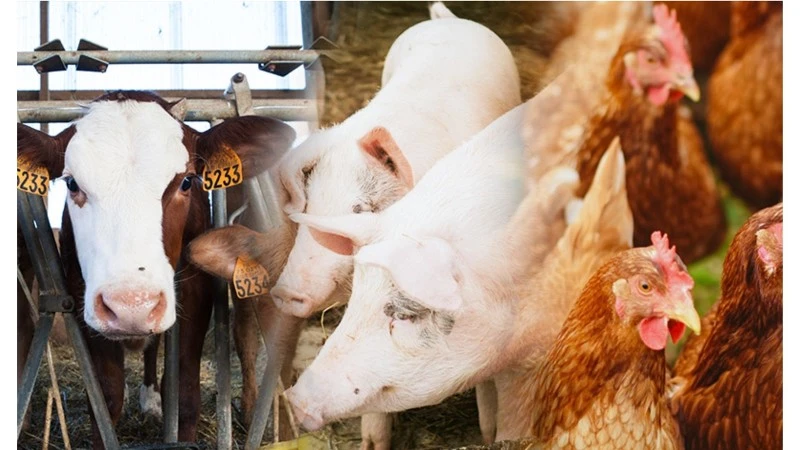
Premium Carotene Powder for Cattle
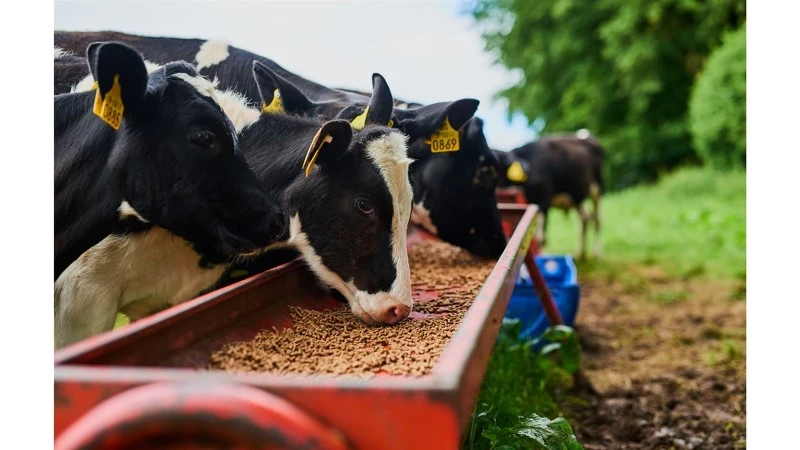
Cattle can obtain carotenoids naturally from green forages, with beta-carotene being one of the major carotenoids found in ruminant feed.
Research indicates that cattle, particularly dairy cows, can accumulate relatively high concentrations of carotenoids compared with some other ruminants. Dietary supply can influence beta-carotene concentrations in plasma and milk.
For cattle feed manufacturers, a standardized carotenoid ingredient can therefore be useful when dietary carotenoid intake needs to be controlled or increased.
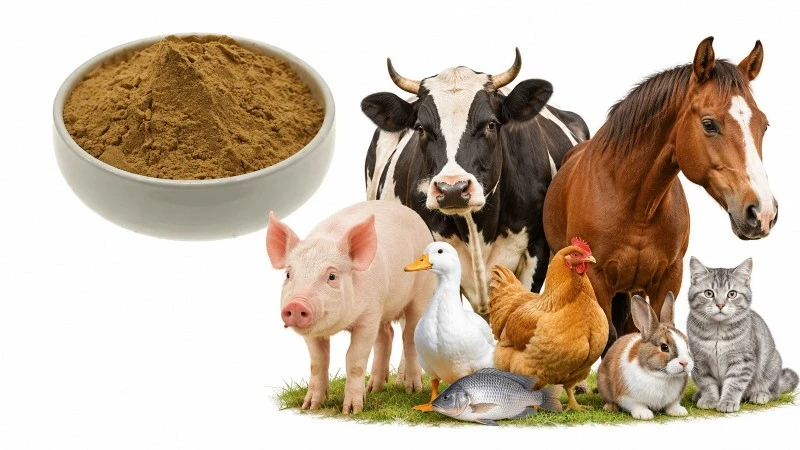
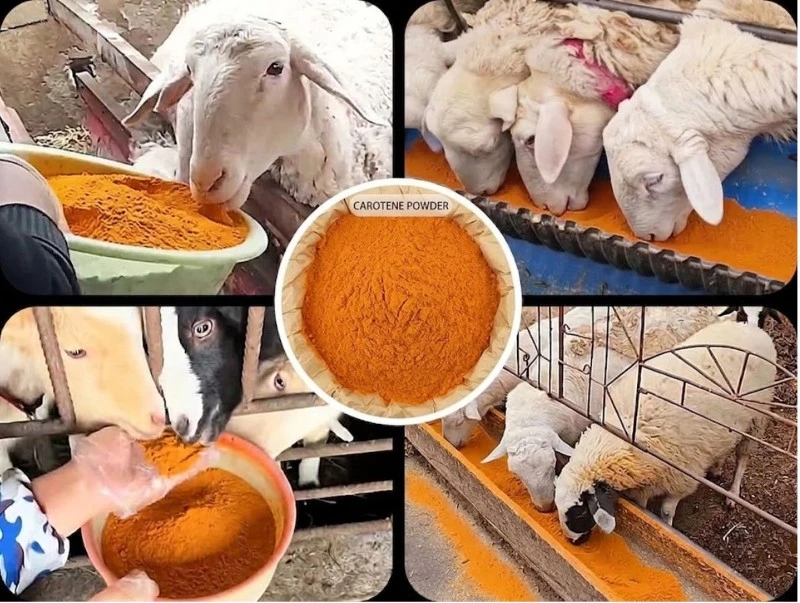
Premium Carotene Powder for Sheep and Goats
Sheep and goats can also receive carotenoids through forage and other feed ingredients. Because carotenoids are involved in vitamin A metabolism and other biological processes, they can be considered within comprehensive nutritional programs.
The response to supplementation depends on the animal's existing diet, physiological stage, forage quality, carotenoid source, and inclusion level.
Premium Carotene Powder for Poultry
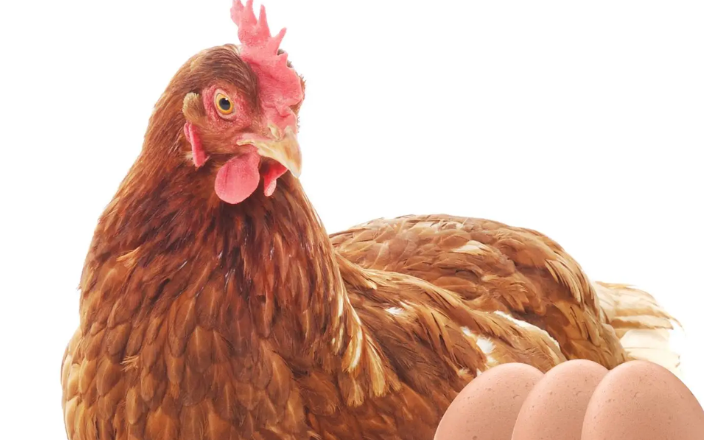
Poultry is another important application for carotenoid ingredients.
Dietary carotenoids can influence pigmentation in poultry products, particularly egg yolks. Research reviews have also examined carotenoids for their potential antioxidant and health-related functions in poultry.
For feed manufacturers, the specific carotenoid selected should match the desired application because different carotenoids can have different pigmentation and nutritional characteristics.
How to Choose a Premium Carotene Powder
When purchasing Carotene Powder for livestock feed, manufacturers should evaluate several important specifications.
Carotenoid Concentration
The active carotenoid concentration should be clearly stated. This allows feed formulators to calculate the appropriate inclusion level.
Carotenoid Profile
The product should identify the major carotenoid compounds present, especially when beta-carotene activity is an important nutritional objective.
Stability
Carotenoids can be sensitive to oxygen, light, heat, and processing conditions. Appropriate packaging and storage can help maintain product quality.
Purity and Quality
A reliable supplier should provide specifications and a Certificate of Analysis covering relevant parameters such as active content, moisture, microbiological quality, and other applicable testing requirements.
Consistency
For commercial feed manufacturing, consistent composition between batches is essential for predictable formulation results.
Important Considerations for Feed Formulation
Premium Carotene Powder should be incorporated according to the specifications of the individual product and the nutritional requirements of the target species.
There is no universal inclusion rate that applies to every carotene product or every livestock species. The appropriate level depends on factors such as carotenoid concentration, animal species, age, production stage, basal diet, and intended purpose.
Feed manufacturers should also consider the total vitamin A contribution of the complete diet to avoid nutritional imbalances.
Conclusion
Premium Carotene Powder is a versatile carotenoid ingredient with potential applications in livestock feed and animal nutrition. Its key advantages include providing a concentrated source of carotenoids, contributing to vitamin A nutrition when beta-carotene is present, offering antioxidant potential, and supporting the natural pigmentation of certain animal products.
In dairy cattle, dietary carotenoids can influence the carotenoid concentration of milk, while in poultry they can contribute to egg-yolk pigmentation and other nutritional characteristics. Research continues to investigate the broader roles of carotenoids in livestock nutrition and their transfer into animal-derived foods.
For feed manufacturers and livestock producers, selecting a high-quality, standardized Carotene Powder and using it as part of a balanced nutritional program can help achieve consistent formulation and application objectives.
References
Meléndez-Martínez, A. J., et al. A comprehensive review on carotenoids in foods and feeds: status quo, applications, patents, and research needs. Critical Reviews in Food Science and Nutrition, 62(8), 1999–2049.
Nozière, P., Graulet, B., Lucas, A., Martin, B., Grolier, P., & Doreau, M. Carotenoids for ruminants: From forages to dairy products. Animal Feed Science and Technology, 131(3–4), 418–450. DOI: 10.1016/j.anifeedsci.2006.06.018.
Miao, Q., Si, X., Zhao, Q., et al. Deposition and enrichment of carotenoids in livestock products: An overview. Food Chemistry: X, 21, 101245, 2024. DOI: 10.1016/j.fochx.2024.101245.
Thompson, S. Y. Role of carotene and vitamin A in animal feeding. World Review of Nutrition and Dietetics, 21, 224–280.
Nabi, F., Liu, J., et al. Health benefits of carotenoids and potential application in poultry industry: A review. Journal of Animal Physiology and Animal Nutrition, 104(6), 1809–1818.
EFSA FEEDAP Panel. Assessment of the feed additive beta-carotene (3a160(a)) for all animal species for the renewal of its authorisation. 2025. The assessment concluded that beta-carotene used under the approved conditions remained safe for target species, consumers, and the environment.