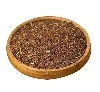
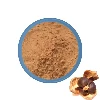
Modern agriculture is increasingly exploring plant-derived ingredients that can support more efficient soil management and sustainable crop production. Among these natural compounds, Tea Saponin for Plants has attracted attention because of its natural surface-active properties and potential applications in soil remediation, agricultural formulations, and plant-management systems.
Tea saponins are naturally occurring compounds mainly obtained from the seeds and seed meal of Camellia oleifera. They belong to the saponin family and function as natural non-ionic surfactants. Their surface activity allows them to interact with water, soil particles, and certain compounds in the soil environment. Research has particularly investigated tea saponins in leaching remediation, phytoremediation, and microbial remediation.
For agricultural manufacturers and growers, premium Tea Saponin Powder can therefore serve as a functional botanical ingredient rather than simply a conventional fertilizer.
What Is Tea Saponin for Plants?
Tea Saponin is a group of naturally occurring triterpenoid saponins found in Camellia plants, particularly Camellia oleifera seeds and seed meal.
Commercial tea saponins are commonly recovered from Camellia oleifera seed meal after oil extraction. Modern extraction and purification technologies can produce concentrated tea saponin powders with controlled specifications for different industrial applications. A 2025 review of Camellia oleifera seed meal saponins highlighted their strong surface activity and potential as plant-derived alternatives to some synthetic surfactants.
For agricultural use, the most important characteristic is their surface-active behavior. Instead of functioning primarily as an NPK fertilizer, tea saponin can be incorporated into formulations where wetting, dispersion, soil interaction, or remediation performance is important.

Why Use Premium Tea Saponin in Agriculture?
The growing interest in Tea Saponin for Plants is associated with several functional properties.
1. Natural Surfactant Properties
Tea saponins are naturally occurring non-ionic surfactants. Their molecular structure allows them to interact with both water and less-water-compatible substances.
This property is particularly interesting for soil applications because soil is a complex system containing minerals, organic matter, water, microorganisms, and various dissolved or adsorbed compounds.
Research has demonstrated that tea saponins can influence the interaction between contaminants and soil particles, which is one reason they have been investigated for soil remediation.
2. Soil Remediation Applications
One of the most extensively studied agricultural/environmental applications of tea saponins is soil remediation.
Research reviewed by Yu and He found that tea saponins can assist in the desorption of certain heavy metals from contaminated soil and increase their bioavailability for remediation processes. They have also been studied in phytoremediation and microbial remediation systems.
This can be relevant when tea saponin is used as part of a broader soil-management strategy.
However, tea saponin should not be considered a universal soil-detoxification product. Its performance depends on the contaminant, soil type, concentration, treatment method, and remediation system.
3. Support for Phytoremediation Systems
Phytoremediation uses plants to help remove, stabilize, or transform certain contaminants in soil.
Tea saponins have been investigated as natural surfactants that can increase the availability of some contaminants to plants used in phytoremediation. According to the scientific literature, this may improve the accumulation of certain pollutants by hyperaccumulator plants under appropriate conditions.
This is a specialized agricultural application rather than a general recommendation for routine crop production.
4. Potential Role in Microbial Remediation
Soil microorganisms play an important role in the decomposition and transformation of organic compounds.
Research has examined tea saponins as part of microbial remediation systems, including their potential to improve the degradation of certain organic pollutants by microorganisms.
At the same time, tea saponins can themselves influence soil microbial communities. A 2022 study of Camellia oleifera plantation soils found that increasing tea saponin accumulation was associated with changes in microbial community composition and function.
This highlights an important point: tea saponin concentration matters. More is not necessarily better, and agricultural formulations should be developed according to the intended application.

Tea Saponin for Plant and Soil Applications
Premium Tea Saponin Powder can be considered for several modern agricultural applications.
Soil Conditioning and Agricultural Formulations
Tea saponin can be incorporated into specialized soil-treatment formulations where natural surfactant functionality is desired.
Its surface-active properties may help improve interactions between water, soil particles, and selected formulation components.
Rather than replacing fertilizers, tea saponin is better understood as a functional agricultural ingredient that can complement fertilizer, soil-management, or remediation products.
Soil Remediation Products
Tea saponin can be used as an ingredient in research and commercial formulations designed for contaminated-soil treatment.
Its ability to interact with certain soil-bound compounds has made it particularly interesting for heavy-metal remediation and other soil-treatment systems.
Phytoremediation
In phytoremediation programs, tea saponin can be investigated as a natural surfactant to modify contaminant availability.
The objective is not simply to increase the concentration of contaminants in the soil solution, but to improve their accessibility to the selected remediation process while managing environmental risks.
Microbial Soil Treatment
Tea saponin may also be incorporated into systems that use microorganisms to help degrade certain organic contaminants.
The effectiveness depends heavily on the specific pollutant and microbial system, so field-scale application should be supported by appropriate testing rather than generalized dosage assumptions.
Agricultural Biostimulant and Formulation Research
Because tea saponins have surface-active and biological properties, they are also being investigated in broader agricultural formulation research.
However, claims that tea saponin directly increases plant growth or yield should be supported by product-specific trials. The scientific evidence is stronger for its surfactant and soil-remediation functions than for a universal plant-growth-promoting effect.
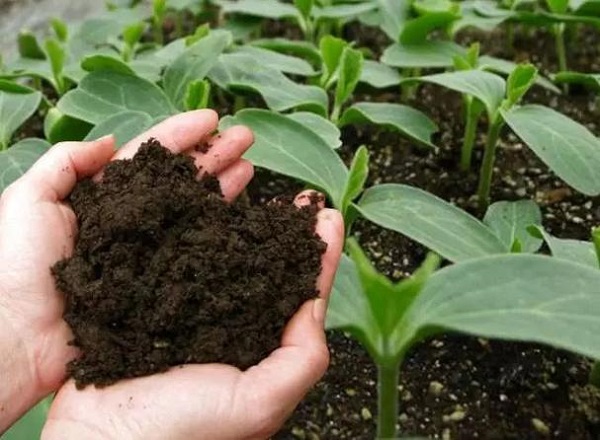
Tea Saponin and Soil Microorganisms
Soil microbiology is an important consideration when using concentrated botanical compounds.
Plants naturally release secondary metabolites into soil through roots, leaves, and decomposing residues. Tea saponins can interact with soil microbial communities, and research in Camellia oleifera plantations has shown that accumulated tea saponins can alter microbial diversity and functional pathways.
This means agricultural users should consider the concentration and frequency of application.
A carefully formulated product may have a useful function, while excessive or inappropriate application could create unintended effects on soil biological processes.
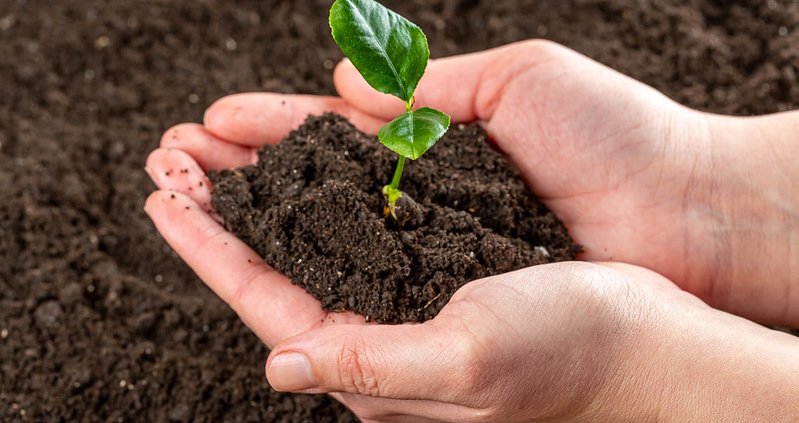
Premium Tea Saponin vs. Conventional Synthetic Surfactants
One reason Tea Saponin is attracting attention is its plant origin.
Tea saponins obtained from Camellia oleifera seed meal are naturally derived and have been studied as alternatives to certain synthetic surfactants. Their renewable botanical origin also supports the utilization of an agricultural processing by-product.
For agricultural manufacturers, this can provide an opportunity to develop formulations positioned around:
- Plant-derived ingredients
- Natural surfactant functionality
- Sustainable raw materials
- Soil-management applications
- Botanical agricultural products
- Environmental remediation systems
Nevertheless, performance should always be evaluated against the requirements of the specific formulation rather than assumed solely from the ingredient's natural origin.
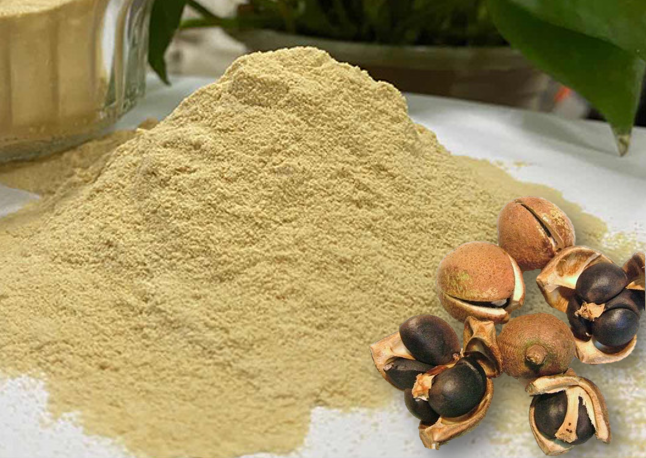
How to Choose Premium Tea Saponin Powder
Quality and consistency are critical when Tea Saponin is intended for agricultural formulations.
Saponin Content
The declared tea saponin concentration is one of the most important specifications. Higher-purity products can provide greater control over formulation concentration.
Botanical Source
The source of the saponin should be clearly identified. Camellia oleifera seed meal is one of the major commercial sources of tea saponins.
Solubility
Good and consistent water dispersibility can be important for liquid agricultural formulations, soil treatments, and other applications.
Moisture and Particle Size
Moisture affects storage stability and handling, while particle size can influence dispersion and processing.
Purity and Contaminant Control
Agricultural-grade tea saponin should be evaluated for relevant contaminants and impurities according to the intended market and application.
Batch Consistency
For fertilizer and agricultural-product manufacturers, consistent saponin content and physical characteristics are important for reproducible formulation performance.
A professional supplier should be able to provide a COA, specification sheet, SDS, and relevant quality-testing documentation.
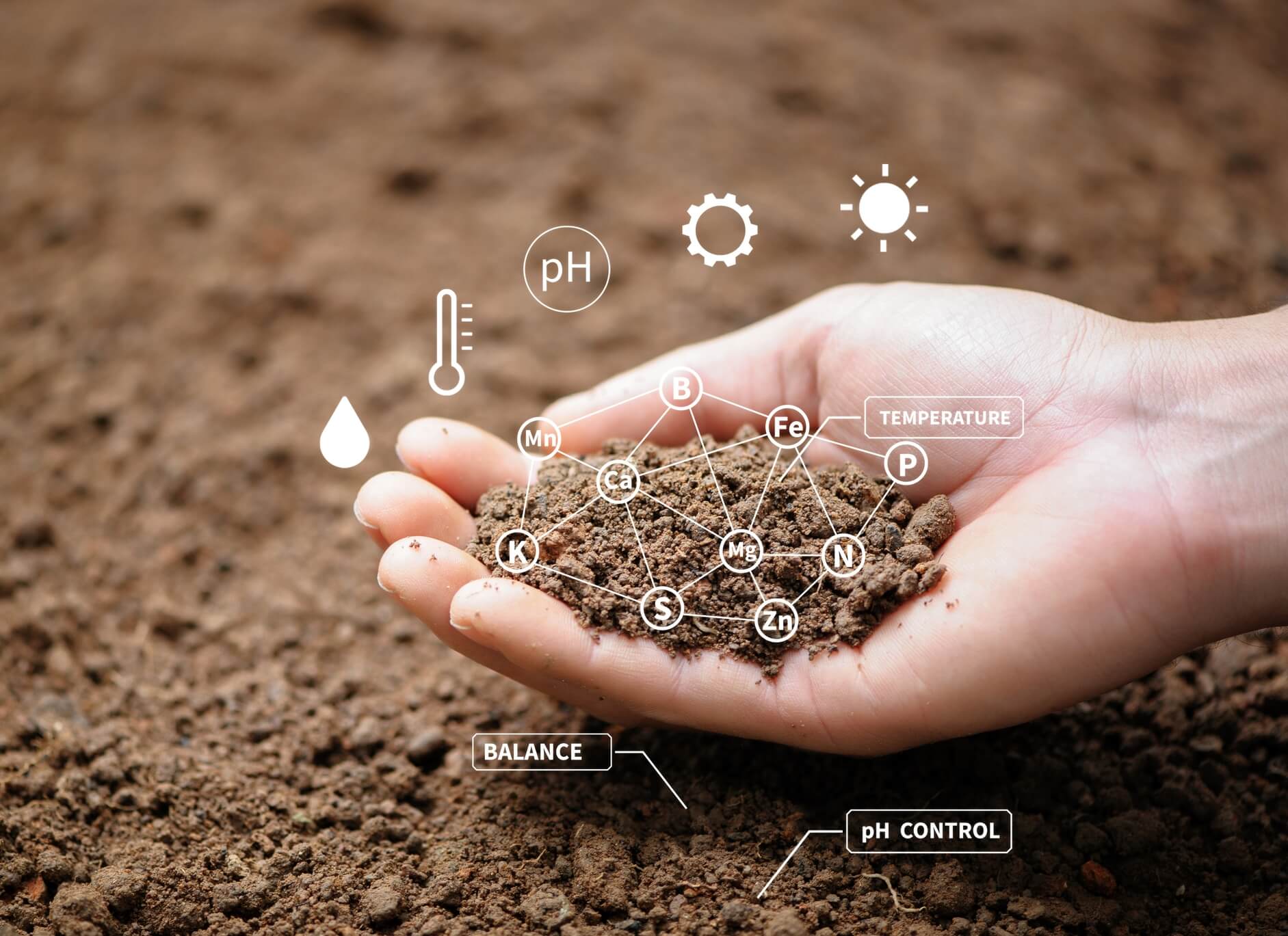
Is Tea Saponin a Fertilizer?
Tea saponin itself should not be classified simply as a conventional fertilizer.
Traditional fertilizers primarily provide nutrients such as nitrogen, phosphorus, and potassium. Tea saponin is better characterized as a natural bioactive and surface-active ingredient.
Its agricultural value is associated more with:
- Soil interaction
- Surfactant functionality
- Remediation formulations
- Phytoremediation systems
- Microbial remediation research
- Agricultural formulation development
It can therefore complement fertilizer and soil-management products rather than replace a complete nutrient program.

Application Rate and Formulation Considerations
There is no single universal application rate for Tea Saponin for Plants.
The appropriate concentration depends on the purpose of the product, tea saponin purity, crop or soil type, target contaminant, formulation, application method, and environmental conditions.
For example, a soil-remediation formulation may require a very different concentration from an agricultural wetting or formulation aid.
Because concentrated tea saponins can influence soil biological processes, application rates should be established through laboratory testing, greenhouse trials, or field validation rather than copied from unrelated studies.
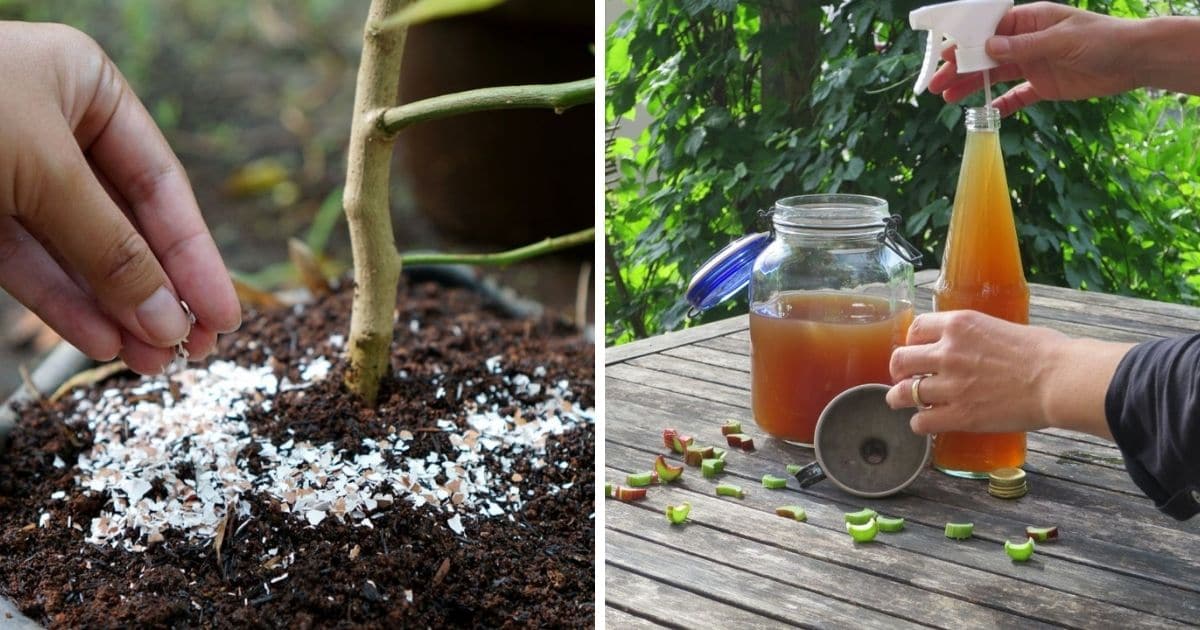
The Future of Tea Saponin in Modern Agriculture
The agricultural industry is increasingly interested in renewable and multifunctional ingredients.
Tea saponin fits this trend because it combines a plant-derived origin with useful surface-active properties. Research has already demonstrated applications in soil remediation, phytoremediation, and microbial remediation, while newer research continues to investigate the broader functionality of Camellia oleifera seed meal saponins.
Future development is likely to focus on improving extraction purity, controlling composition, understanding soil interactions, optimizing formulations, and establishing application conditions for specific agricultural systems.
This is particularly relevant for manufacturers looking to develop botanical soil products, natural agricultural additives, and environmentally oriented formulations.
Conclusion
Premium Tea Saponin for Plants is a versatile plant-derived ingredient with promising applications in modern agriculture.
Its natural non-ionic surfactant properties make it particularly relevant to soil-management and remediation technologies. Research has investigated tea saponins for heavy-metal desorption, phytoremediation, microbial remediation, and interactions between soil and contaminants.
At the same time, tea saponin should not be marketed as a universal fertilizer or plant-growth enhancer. Its performance depends on concentration, formulation, soil characteristics, target application, and environmental conditions.
For agricultural manufacturers, a standardized Tea Saponin Powder with controlled saponin content, good solubility, reliable purity, and consistent batch quality can provide a useful botanical ingredient for developing modern soil and agricultural products.
References
Yu, X.-L., & He, Y. (2018). Tea saponins: effective natural surfactants beneficial for soil remediation, from preparation to application. RSC Advances, 8, 24312–24321.
Zhang, S., et al. (2022). Increased Tea Saponin Content Influences the Diversity and Function of Plantation Soil Microbiomes. Microbiology Spectrum, 10(1).
Zhang, J., et al. (2025). Advances in Camellia oleifera seed meal Saponins: Extraction, analysis, bioactivity, and application. Food Chemistry, 492, 145277.
Yu, X.-L., & He, Y. (2018). Review of tea saponin applications in leaching, phytoremediation, and microbial remediation. RSC Advances.
FAQ
Q1: What is Tea Saponin for Plants?
A1: Tea Saponin for Plants is a plant-derived ingredient obtained mainly from Camellia oleifera seeds and seed meal. It contains naturally occurring triterpenoid saponins with non-ionic surface-active properties, making it useful for specialized agricultural, soil-management, and remediation applications.
Q2: What are the main benefits of Tea Saponin for agriculture?
A2: Tea Saponin can provide natural surfactant functionality and can be incorporated into agricultural formulations involving soil interaction, wetting, dispersion, and soil remediation. Its strongest documented applications are associated with soil-remediation and related systems rather than conventional fertilizer nutrition.
Q3: Is Tea Saponin a natural surfactant?
A3: Yes. Tea saponins are naturally occurring non-ionic surfactants. Their surface-active properties allow them to interact with water, soil particles, and certain compounds in the soil environment.
Q4: Can Tea Saponin be used for soil remediation?
A4: Yes. Tea Saponin has been investigated for soil remediation because it can influence interactions between contaminants and soil particles. Research has examined its potential to assist with the desorption of certain heavy metals and support remediation processes.
Q5: Can Tea Saponin be used in phytoremediation?
A5: Yes. Tea Saponin has been studied as a natural surfactant in phytoremediation systems. It may modify the availability of certain contaminants to plants used for remediation. This is a specialized application and should be evaluated according to the specific soil, contaminant, and plant system.
Q6: Can Tea Saponin support microbial soil remediation?
A6: Tea Saponin has been investigated in microbial remediation systems, including applications involving microorganisms that degrade certain organic pollutants. However, its effectiveness depends on the pollutant, microbial system, concentration, and treatment conditions.
Q7: Can Tea Saponin be used as a fertilizer?
A7: Tea Saponin should not be classified simply as a conventional fertilizer. Unlike NPK fertilizers, its primary agricultural value comes from its surface-active and bioactive properties, including soil interaction, remediation, and agricultural formulation functionality.
Q8: Can Tea Saponin be used with fertilizer products?
A8: Yes. Tea Saponin can be incorporated into specialized agricultural formulations where natural surfactant functionality is desired. It can complement fertilizer and soil-management products rather than replace a complete plant-nutrition program.
Q9: Can Tea Saponin improve plant growth?
A9: Tea Saponin is being investigated in broader agricultural formulation and biostimulant research, but claims that it directly increases plant growth or crop yield should be supported by product-specific trials. The available evidence is stronger for its surfactant and soil-remediation functions.