


In recent years, seaweed-based supplements have gained immense popularity in both animal feed and pet nutrition. Among these, sea kelp powder stands out as one of the most nutrient-dense and sustainable ingredients available. Derived from brown seaweeds such as Ascophyllum nodosum, Laminaria digitata, or Macrocystis pyrifera, sea kelp is rich in minerals, vitamins, amino acids, and bioactive compounds that enhance overall animal health, performance, and productivity.
This article explores how sea kelp powder supports animal health and nutrition, its biological benefits, and why it has become a key natural additive in feed for livestock, aquaculture, and pets.

What Is Sea Kelp Powder?
Sea kelp powder is produced by harvesting and drying marine algae, which is then finely ground into a nutrient-rich powder. Unlike synthetic supplements, kelp provides a natural balance of macro- and micronutrients, including iodine, calcium, potassium, magnesium, and over 60 trace elements. It also contains polysaccharides (alginates, fucoidans, and laminarin) known for their antioxidant and immune-enhancing effects.
Due to its nutritional profile, sea kelp powder is used widely in:
- Livestock and poultry feed for growth and performance.
- Aquaculture as a feed enhancer and immune booster.
- Pet nutrition for skin, coat, and thyroid health.
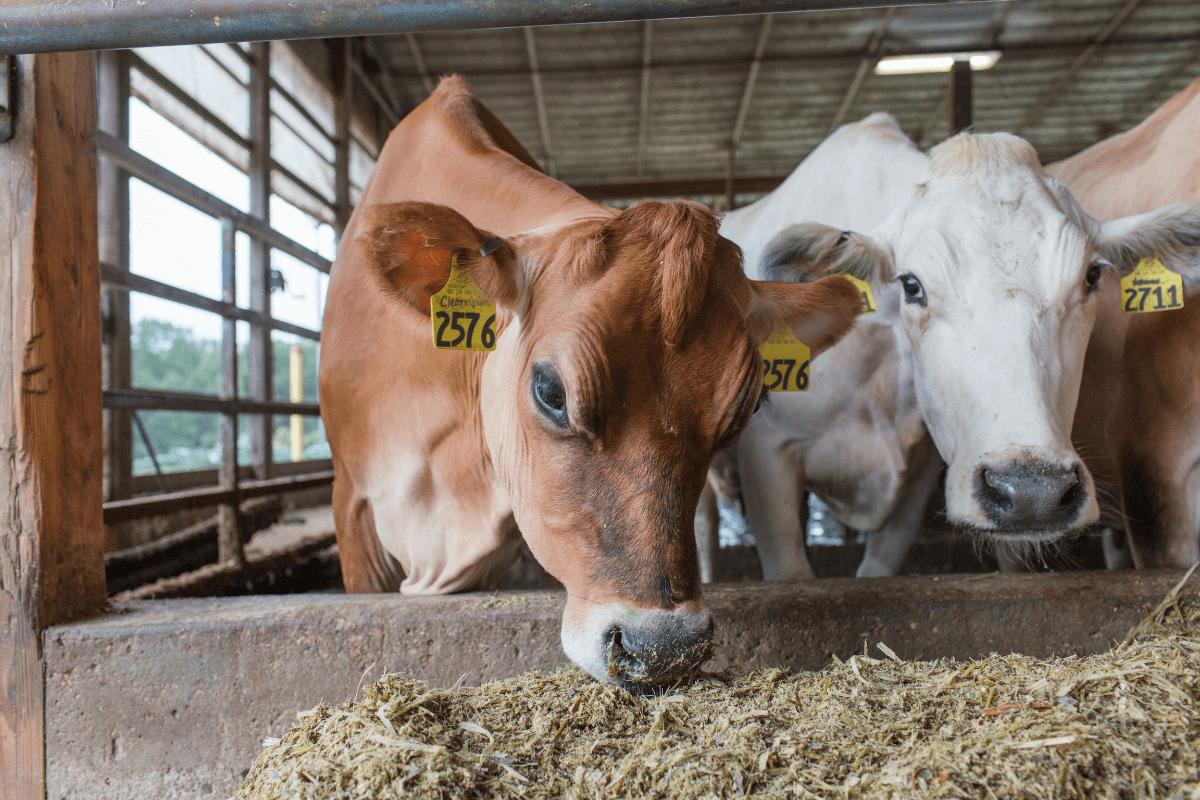
A Rich Source of Natural Minerals and Vitamins
One of the most remarkable features of sea kelp powder is its high mineral density. Animals need trace minerals for optimal growth, reproduction, and immune function, and kelp provides these in a highly bioavailable form.
Key nutrients found in kelp include:
- Iodine, which supports thyroid hormone production and regulates metabolism.
- Iron, essential for red blood cell formation and oxygen transport.
- Zinc and copper, which promote healthy skin, hooves, and immune response.
- Magnesium, calcium, and potassium, vital for nerve function and bone health.
- Vitamins A, C, E, K, and B-complex, which act as antioxidants and metabolic cofactors.
Because these nutrients occur in natural ratios, kelp supplementation helps prevent deficiencies and maintain balanced nutrition across species.

Supports Thyroid Function and Metabolic Balance
Sea kelp powder is one of the richest natural sources of iodine, a critical element for thyroid gland health. The thyroid regulates energy metabolism, growth, and development through hormones such as thyroxine (T4) and triiodothyronine (T3).
In animals, iodine deficiency can lead to poor growth, reproductive issues, and reduced milk or egg production. Supplementing feed with kelp powder ensures an adequate supply of iodine, helping maintain normal thyroid activity, energy balance, and overall vitality.
For example:
- Dairy cows fed kelp show improved milk yield and butterfat content.
- Poultry demonstrate better feed efficiency and egg quality.
- Pets experience more stable metabolism and healthier skin.
However, it's important to maintain appropriate inclusion rates, as excessive iodine intake can also disrupt thyroid function.

Improves Gut Health and Nutrient Absorption
The polysaccharides in kelp, such as laminarin and fucoidan, act as natural prebiotics. These compounds encourage the growth of beneficial gut bacteria and improve intestinal integrity.
A healthy digestive system is essential for nutrient utilization and immune defense. By promoting beneficial microbiota and reducing gut inflammation, sea kelp powder helps animals:
- Absorb nutrients more efficiently.
- Develop stronger gut barriers against pathogens.
- Reduce the need for antibiotic treatments.
Studies on pigs and poultry have shown that dietary kelp supplementation improves feed conversion ratio (FCR) and average daily gain (ADG) while supporting intestinal health and enzyme activity.

Enhances Immune Function and Disease Resistance
Kelp's natural antioxidant compounds, including fucoxanthin, phlorotannins, and polysaccharides, play a key role in boosting immunity and reducing oxidative stress.
- Fucoidan has anti-inflammatory and antiviral properties that strengthen the immune system.
- Polyphenols and carotenoids help neutralize free radicals and protect cellular integrity.
- β-glucans and polysaccharides enhance macrophage activity and antibody production.
- As a result, animals receiving kelp powder show improved resistance to diseases, especially in high-stress conditions like transport, weaning, or extreme temperatures.
For aquaculture species such as shrimp and fish, kelp supplementation helps reduce bacterial infections, improve survival rates, and maintain better water quality by enhancing gut microbial balance.
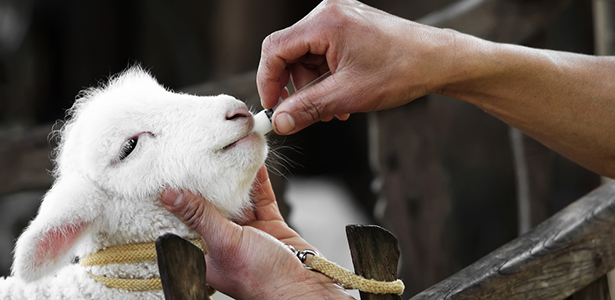
Promotes Skin, Coat, and Hoof Health
In pets and livestock alike, skin and coat quality often reflect internal health. The minerals and vitamins in sea kelp powder - especially zinc, biotin, and omega-rich compounds - support the maintenance of healthy skin and a glossy coat.
For dogs and cats, sea kelp is often added to natural pet supplements to:
- Reduce excessive shedding.
- Relieve itching or dry skin caused by allergies.
- Promote hair regrowth and pigment enhancement.
In horses and cattle, kelp helps maintain hoof hardness and integrity, preventing cracking and lameness associated with mineral deficiencies.

Supports Reproductive Health and Fertility
Balanced mineral nutrition plays a crucial role in reproduction. The iodine and selenium in sea kelp contribute to hormonal balance, sperm quality, and embryonic development.
- In dairy cattle, kelp supplementation has been linked to shorter calving intervals and improved fertility rates.
- In laying hens, it contributes to stronger eggshells and enhanced yolk pigmentation.
- In breeding dogs, the nutrient density of kelp supports healthy litters and maternal recovery.
Kelp thus supports not only production performance but also long-term animal wellness and reproductive efficiency.

Natural Growth Promoter for Livestock and Aquaculture
Farmers and feed producers are increasingly seeking natural alternatives to synthetic growth promoters. Sea kelp powder offers a safe and eco-friendly solution.
- The amino acids and polysaccharides stimulate growth-related pathways.
- Improved digestion and nutrient utilization result in faster growth and higher weight gain.
- Animals demonstrate improved feed efficiency and better carcass quality.
In aquaculture, kelp-based additives have been shown to enhance fish pigmentation, shell strength in shrimp, and resistance to stress and disease - all of which contribute to improved yield and profitability.

Environmental and Sustainability Benefits
Sea kelp grows rapidly without the need for fertilizers, pesticides, or freshwater, making it a highly sustainable raw material. When used in animal feed, it:
- Reduces dependency on synthetic mineral supplements.
- Minimizes nutrient excretion and environmental pollution.
- Contributes to the circular economy by utilizing marine biomass efficiently.
For producers aiming for organic or eco-friendly certification, kelp powder aligns perfectly with sustainable feed formulation principles.

Dosage and Application
The recommended inclusion rate of sea kelp powder varies depending on species and nutritional requirements:
- Livestock: 0.5–2% of total feed.
- Poultry: 0.2–1% to improve egg quality and immunity.
- Aquaculture: 1–3% for growth and disease resistance.
- Pets: Small daily doses (100–500 mg per day depending on body weight).
It's important to source feed-grade or food-grade kelp powder that meets safety standards and to monitor iodine levels when using long-term.

Conclusion
Sea kelp powder is far more than just a mineral supplement - it is a multifunctional natural ingredient that supports the health, growth, and productivity of animals across species. From improving digestion and immunity to enhancing skin health and reproductive performance, kelp offers comprehensive nutritional support.
Its sustainable origin, rich nutrient composition, and proven efficacy make it a valuable addition to modern animal feed and pet nutrition programs. Whether for livestock, aquaculture, or companion animals, sea kelp powder is a natural way to promote vitality, balance, and long-term wellness.
References
Evans, F. D., & Critchley, A. T. (2014). Seaweeds for animal production use. Journal of Applied Phycology, 26(2), 891–899.
Ventura, M. R., Castanon, J. I., & McNab, J. M. (1994). Nutritional value of seaweed (Laminaria digitata) for poultry. Animal Feed Science and Technology, 49(1-2), 87–99.
Holdt, S. L., & Kraan, S. (2011). Bioactive compounds in seaweed: Functional food applications and legislation. Journal of Applied Phycology, 23(3), 543–597.
Michalak, I., & Chojnacka, K. (2015). Algae as production systems of bioactive compounds. Engineering in Life Sciences, 15(2), 160–176.
Hong, Y. K., & Kim, M. (2015). The effects of brown seaweed (Ascophyllum nodosum) supplementation on immune response and growth performance in pigs. Animal Science Journal, 86(3), 244–250.
Flickinger, E. A., & Fahey, G. C. (2002). Pet food and feed applications of prebiotics. Animal Feed Science and Technology, 102(3-4), 287–299.


