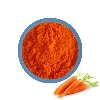
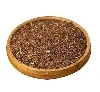
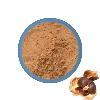
Tea Saponin is a naturally occurring plant compound primarily obtained from Camellia oleifera seeds and tea seed meal. It belongs to the triterpenoid saponin family and is valued for its surface-active, biological, and functional properties.
Because of these characteristics, Tea Saponin has attracted attention across several industries, including animal feed, livestock nutrition, agriculture, aquaculture, soil management, and agricultural inputs. Recent research continues to investigate its potential as a natural and versatile ingredient.
For manufacturers looking for a plant-derived functional ingredient, Tea Saponin Powder can be an interesting option for developing feed additives, agricultural products, and aquaculture solutions.
What Is Tea Saponin?
Tea Saponin is a group of naturally occurring triterpenoid compounds found in Camellia plants, particularly Camellia oleifera seeds.
Tea seed meal, a by-product of Camellia oil production, is considered one of the major raw materials for extracting tea saponins. Research has identified tea saponins as important bioactive components of Camellia seed meal.
a is also a natural nonionic surfactant. Its surface-active properties contribute to many of its potential applications in agriculture, environmental management, and industrial formulations.

Benefits of Tea Saponin for Animal Feed
1. Supports Rumen Fermentation Management
One of the most researched applications of saponins is ruminant nutrition.
Cattle, sheep, and goats depend on microorganisms in the rumen to digest forage and other feed components. Plant saponins can interact with rumen microorganisms and influence fermentation patterns.
Research reviews have reported that saponins can affect rumen microbial populations, fermentation, nutrient digestibility, and other aspects of ruminant production.
This makes Tea Saponin a potential ingredient for specialized cattle, sheep, and goat feed formulations.
2. May Influence Nutrient Utilization
Saponins have been investigated for their effects on nutrient digestion and rumen microbial activity.
A recent meta-analysis of 66 in-vivo studies found that saponin supplementation can influence nutrient digestibility and rumen fermentation, although responses vary according to saponin source, animal species, and physiological condition.
Therefore, Tea Saponin should be formulated according to the specific product concentration and nutritional requirements of the target animal.
3. Potential Methane-Reduction Application
Methane is naturally produced during rumen fermentation. Modifying rumen microbial activity is one approach being studied for reducing methane emissions from ruminant livestock.
Plant saponins have demonstrated potential to influence microorganisms involved in rumen fermentation and methane production.
However, methane-reduction results can vary substantially depending on the animal, diet, saponin source, and inclusion level. Product-specific trials are recommended before making commercial performance claims.
4. Botanical Feed Additive
Tea Saponin provides feed manufacturers with a plant-derived alternative for developing functional feed formulations.
Its natural origin and diverse biological properties have contributed to growing research interest in saponins as feed additives.
Potential applications include:
- Cattle feed
- Dairy cattle nutrition
- Beef cattle feed
- Sheep and goat feed
- Ruminant premixes
- Functional animal-feed formulations
- Botanical feed additive research
5. Sustainable Use of Camellia By-Products
Tea Saponin production can help increase the value of Camellia seed meal, which is generated during Camellia oil production.
Recent research emphasizes the recovery of saponins and other valuable compounds from Camellia seed meal as part of a more sustainable utilization strategy.

Tea Saponin Benefits for Agriculture
Tea Saponin is also being studied for agricultural and environmental applications because of its natural surfactant properties.
1. Natural Agricultural Input
Tea Saponin can be incorporated into certain agricultural formulations where a natural surfactant or botanical active ingredient is desired.
Its surface-active characteristics can improve interactions between formulations and plant or soil surfaces.
In addition, research has investigated tea saponins as potential plant-derived pest-management compounds. A study of Camellia oleifera saponins found insecticidal activity against Ectropis obliqua, demonstrating potential for further research into botanical pest-control applications.
These results should not be interpreted as proof that every commercial Tea Saponin product functions as a registered pesticide. Agricultural use should follow local regulatory requirements and product-specific efficacy data.
2. Soil Remediation
One of the more interesting agricultural and environmental applications of Tea Saponin is soil remediation.
Tea saponins are natural nonionic surfactants that can interact with contaminants in soil. Research has investigated their use in leaching remediation, phytoremediation, and microbial remediation.
A scientific review reported that tea saponins can help desorb certain heavy metals from contaminated soil and increase their availability for removal or uptake by suitable remediation plants.
This creates potential applications beyond conventional agriculture.
3. Improved Utilization of Agricultural Resources
Using Camellia seed meal to produce Tea Saponin helps convert an agricultural by-product into a higher-value functional ingredient.
This approach supports the broader concept of a circular agricultural economy, where materials generated during oil production are recovered and used in other industries.
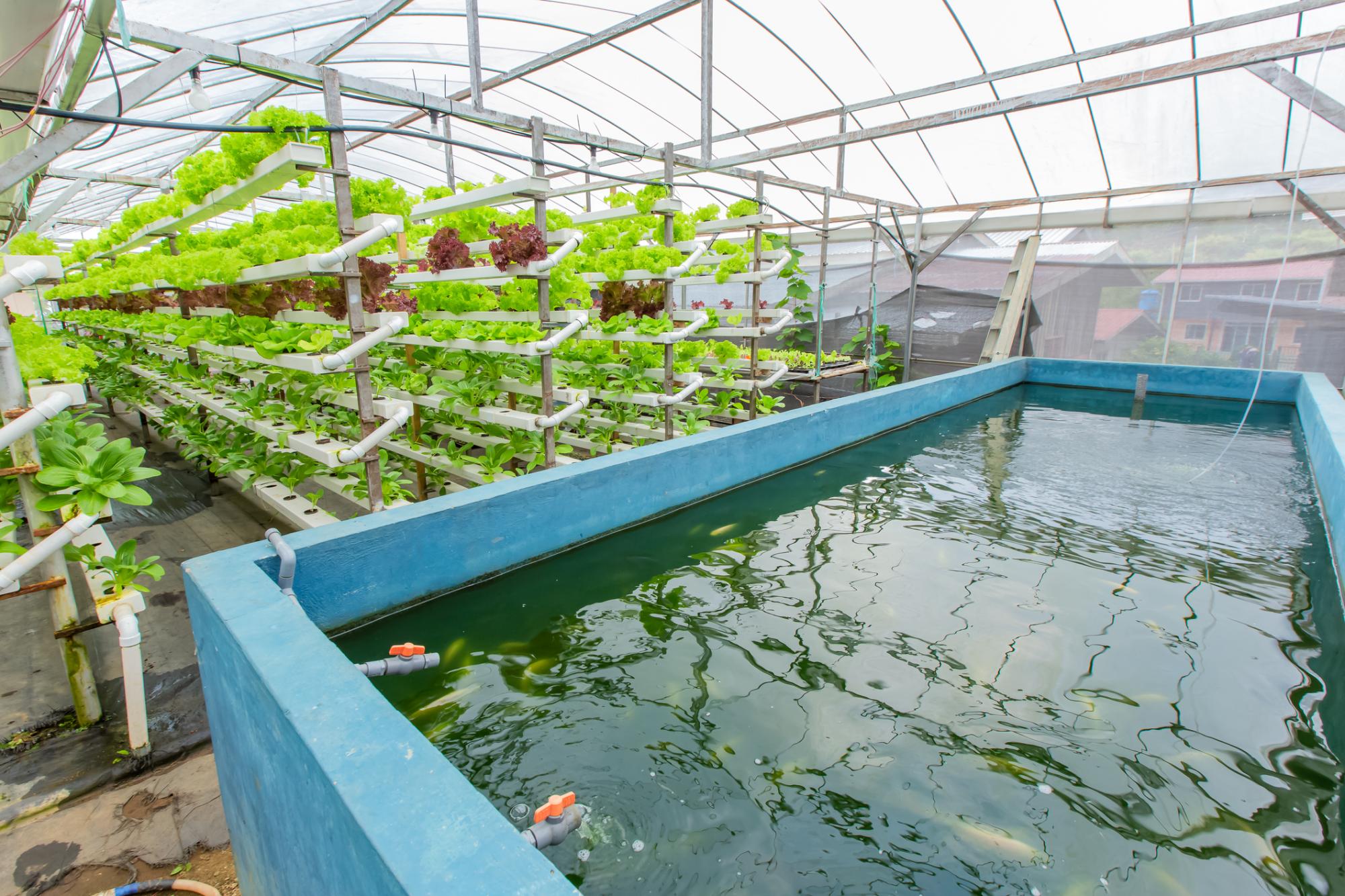
Tea Saponin Applications in Aquaculture
Aquaculture is another area where saponins have attracted attention.
However, it is important to distinguish Tea Saponin used as an aquaculture pond-management product from saponins used as direct dietary feed additives.
1. Aquaculture Pond Management
Saponin-containing Camellia products have traditionally attracted interest in aquaculture because saponins have biological activity against certain aquatic organisms.
This has led to research and commercial interest in their use in pond-management applications.
However, application rates and safety margins are highly dependent on the specific product, target organism, water chemistry, and cultured species. Tea Saponin should therefore be used only according to validated product instructions and applicable aquaculture regulations.
2. Potential Use in Aquaculture Feed
Saponins have also been investigated as functional compounds in animal nutrition.
The biological effects of saponins can include interactions with cell membranes and microbial populations, which has generated interest in their possible use in aquatic-animal nutrition.
However, evidence is highly dependent on the specific saponin and aquatic species. A recent 2026 meta-analysis, for example, evaluated tea-derived supplements in finfish aquafeeds and found antioxidant-related effects, but this research involved tea supplements broadly rather than establishing that purified Tea Saponin produces the same results.
Therefore, manufacturers should avoid applying livestock-feed findings directly to fish or shrimp without species-specific evidence.
3. Potential Application in Shrimp and Fish Farming
Camellia-derived saponin products are of particular interest to aquaculture producers because of their biological activity.
Potential areas of investigation include:
- Pond management
- Aquaculture water treatment
- Functional feed research
- Microbial-management strategies
- Natural botanical formulations
For shrimp and fish production, product selection and dosage must be carefully controlled because aquatic organisms can be highly sensitive to changes in water chemistry and bioactive compounds.
Tea Saponin for Livestock, Agriculture, and Aquaculture
The versatility of Tea Saponin comes from its combination of biological activity and natural surfactant properties.
| Application | Potential Role |
|---|---|
| Livestock Feed | Rumen fermentation and nutritional research |
| Cattle Feed | Functional botanical feed ingredient |
| Sheep & Goat Feed | Rumen microbial and nutrient-utilization research |
| Agriculture | Botanical and surfactant applications |
| Soil Management | Soil remediation research |
| Aquaculture | Pond-management applications |
| Fish Feed | Functional-feed research |
| Shrimp Farming | Aquaculture management research |
| Industrial Applications | Natural nonionic surfactant |
Tea Saponin Powder vs. Tea Seed Meal
Tea Saponin Powder and Tea Seed Meal are related but different products.
Tea Seed Meal is the solid residue remaining after oil extraction from Camellia seeds. It contains saponins together with protein, carbohydrates, minerals, residual oil, and other plant compounds.
Tea Saponin Powder is produced by extracting and concentrating the saponin fraction.
For manufacturers requiring a standardized active ingredient, Tea Saponin Powder can provide more precise control over saponin concentration than untreated tea seed meal.

How to Choose Premium Tea Saponin Powder
When purchasing Tea Saponin for feed, agriculture, or aquaculture applications, buyers should evaluate:
Saponin Content
The percentage of active saponins is one of the most important specifications for formulation.
Purity
A standardized product can provide more predictable performance and easier dosage calculations.
Solubility
Good solubility or dispersibility can be important for liquid agricultural products, aquaculture applications, and certain feed formulations.
Source
The supplier should identify the botanical source and extraction process.
Stability
Storage conditions, moisture, temperature, and packaging can influence the quality of powdered saponin products.
Certificate of Analysis
Bulk buyers should request a COA covering parameters such as saponin content, moisture, ash, particle size, microbiological quality, and other agreed specifications.

Safety and Dosage Considerations
Tea Saponin is a biologically active ingredient, so more is not necessarily better.
Saponins can produce both beneficial and undesirable effects depending on their chemical structure, concentration, animal species, and application. A scientific review notes that saponins can affect growth, feed intake, nutrient digestion, and other biological processes, with effects varying substantially among different saponins.
For animal feed, agriculture, and aquaculture, dosage should therefore be determined from the specific product specification and intended application.
Feed and aquaculture products should also comply with the regulations of the destination market.
Conclusion
Tea Saponin is a versatile plant-derived ingredient with potential applications in animal feed, agriculture, and aquaculture.
In livestock nutrition, research has focused particularly on its ability to influence rumen microbial populations, fermentation, nutrient utilization, and potentially methane production.
In agriculture, Tea Saponin's natural surfactant properties have created opportunities in soil remediation and botanical pest-management research.
In aquaculture, Camellia-derived saponins have attracted interest in pond-management and functional-feed applications, although species-specific testing and careful dosage control remain essential.
For bulk ingredient manufacturers and distributors, Premium Tea Saponin Powder offers an opportunity to develop plant-based, functional, and sustainable solutions across several industries. The most important factors are standardized saponin content, reliable quality, appropriate application, product-specific testing, and regulatory compliance.
References
Zhang, J., Liu, J., Wang, J., et al. Advances in Camellia oleifera seed meal Saponins: Extraction, analysis, bioactivity, and application. Food Chemistry, 492, 145277, 2025.
Advances in valorization of Camellia oleifera Abel. seed cake: A review on the bioactive components, health benefits, extraction methods, and potential food applications. Food Research International, 208, 116134, 2025.
Wina, E., Muetzel, S., & Becker, K. The Impact of Saponins or Saponin-Containing Plant Materials on Ruminant Production-A Review. Journal of Agricultural and Food Chemistry, 53(21), 8093–8105, 2005.
Saponin Extracts Utilization as Dietary Additive in Ruminant Nutrition: A Meta-Analysis of In Vivo Studies. 2024.
Francis, G., Kerem, Z., Makkar, H. P. S., & Becker, K. The biological action of saponins in animal systems: A review. British Journal of Nutrition, 88(6), 587–605, 2002.
Insecticidal Activity and Insecticidal Mechanism of Total Saponins from Camellia oleifera. 2019.
Tea saponins: effective natural surfactants beneficial for soil remediation, from preparation to application. RSC Advances, 2018.
Unlocking the antioxidant potential of tea in aquafeeds for finfish: A meta-analysis towards sustainable production. Animal Feed Science and Technology, 340, 116808, 2026