Agriculture in the present times is faced with the challenge of producing enormous amounts and the minimum use of synthetic pesticides that are harmful to ecosystems and humans. This has raised a great level of interest in the use of natural control agents of pests. Tea saponin is one of these chemicals and a plant material found in the seed of the tea plant (Camellia sinensis), which is rapidly being explored as a harmless and eco-friendly substitute. It is well renowned for its natural insecticide, surfactant, and antimicrobial qualities and thus tea saponin becomes the farmer's and grower's choice to utilize as a crop guard in a way that supports sustainable agriculture.
The title of the blog is on the role played by tea saponin as a pesticide regulator, why it is better than chemical pesticides, and why it makes the environment healthy for the ecosystem.

What is Tea Saponin?
Tea saponin is a natural glycoside chemical found in tea seeds. It is a natural surfactant that can create foam when mixed with water and has widespread application in aquaculture, agriculture, and household cleaning. As an agricultural biopesticide and a soil conditioner, it is applied owing to its common bioactivity.
In contrast to chemical pesticides, which remain in the environment and disrupt ecological processes, tea saponin not only is safe for the environment and nontoxic to human beings and most useful organisms but also safe for application in environmentally friendly pest control.

How Tea Saponin Acts as a Pest Control
1. Natural Insecticidal Activity
Tea saponin is bitter to taste and has a foamy consistency, natural pest and insect repellent. Tea saponin ruptures the cell membrane of the soft-bodied insects like nematodes, mites, and aphids, which is toxic to them but does not hurt the plant at all.
2. Pest Repellent
Tea saponin, owing to its bioactive compounds, keeps plants away from the infestation of insects without hurting helpful pollinators like bees, which are very much needed in crop development.
3. Antimicrobial and Antifungal Activity
Tea saponin leads to the death of certain fungi, mold, and pathogenic bacteria, thus making plants disease-free by default.
4. Beneficial Activity in Soil
Tea saponin, when applied to the ground, not only kills soil pests like nematodes but also makes the soil texture and microbial soil environment richer, thus ensuring long-term plant health.

Benefits of Using Tea Saponin to Eliminate Pests
1. Eco-Friendly Alternative
Tea saponin is a biodegradable, environment-friendly chemical that decomposes very quickly in soil without resulting in deadly residues. It will never, as opposed to chemically synthesized pesticides, pollute water bodies or cause chemical build-up in the ecosystem.
2. Non-toxic to human beings and animals
Since it is natural, tea saponin is not toxic to human beings, animals, and livestock, and thus can be considered a safer option to use in farms and households. This is highly vital for food crops.
3. Promotes Sustainable Agriculture
Tea saponin minimizes the application of chemical pesticides and permits a shift to organic and sustainable agriculture. It may be employed by farmers as an input for Integrated Pest Management (IPM) operations wherein crop production is optimized with environmental conservation.
4. Use Versatility
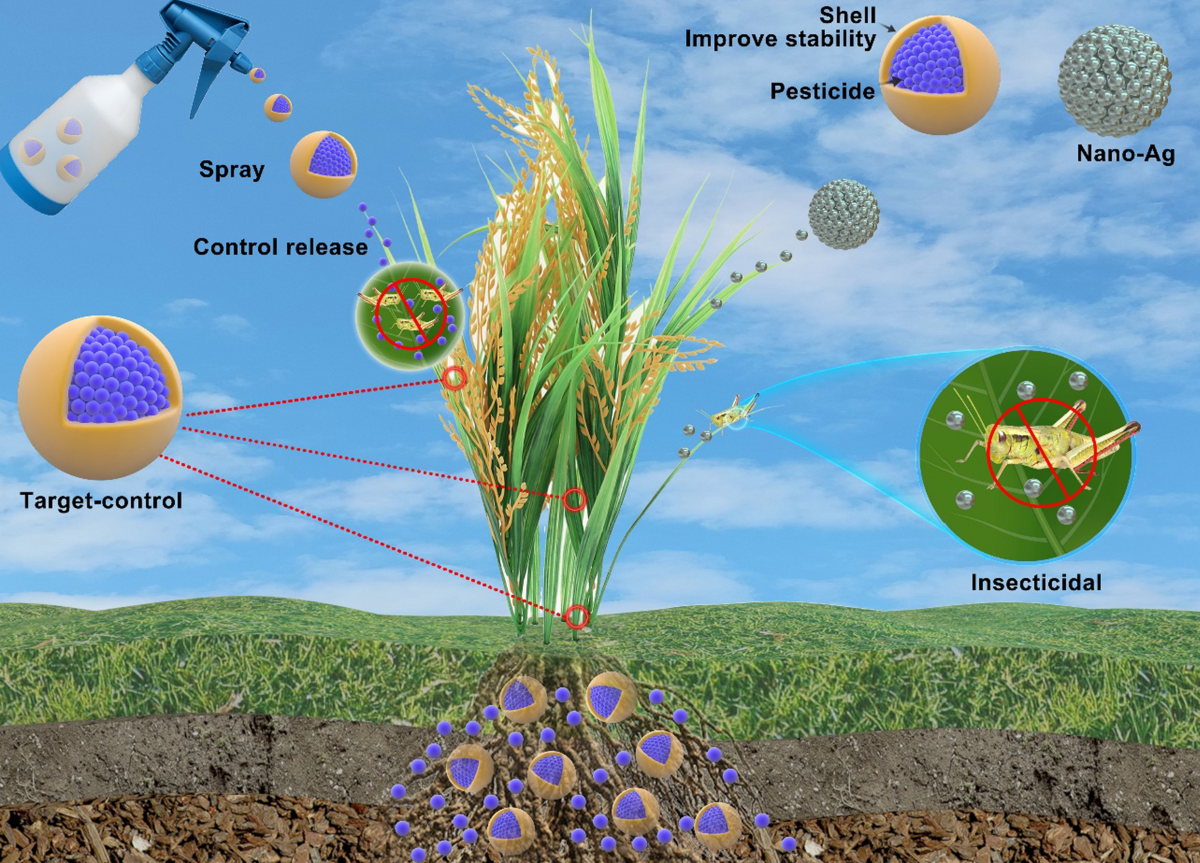
Tea saponin is applicable in many uses-sprayed on fields, seeded into soils, or added to irrigation systems. It is being used on small organic farms and large-scale industrial farming.
5. Saves Beneficial Insects
Tea saponin will not harm pollinators, earthworms, nor beneficial pests' natural predators such as ladybugs and lacewings, thereby facilitating biodiversity which crops require for them to be durable.

Application of Tea Saponin in Farming
- Foliar Spray – Sprayed over plants' leaves using diluted tea saponin for protection against insect infestation.
- Soil Treatment – Repels nematodes and leads to tighter root development when applied within the soil.
- Seed Treatment – Treated seeds with tea saponin as well to further protect during germination.
- Integrated Pest Management (IPM) – Used together with biological controls such as beneficial insects for integrated management.
Tea Saponin vs. Synthetic Pesticides
| Feature | Tea Saponin | Synthetic Pesticides |
|---|---|---|
| Eco-friendliness | Biodegradable, natural | Often harmful, non-biodegradable |
| Safety | Non-toxic to humans and animals | Potentially hazardous |
| Target Action | Selective, safe for pollinators | Broad-spectrum, may kill beneficial insects |
| Residue | Leaves no harmful residues | Residues can persist in soil and water |
| Cost-Effectiveness | Affordable and multipurpose | Expensive long-term environmental cost |

The Role of Tea Saponin in Sustainable Agriculture
Global movement towards green and organic production renders tea saponin a highly sort-after commodity. Through minimizing chemical dependency, farmers:
- Maintain soil fertility and biodiversity.
- Enhance consumers' food safety.
- Promote climate-smart agriculture through the reduction of chemical inputs.

Conclusion
Tea saponin is a suitable, environmentally friendly, and organic pesticide product. Due to the fact that it possesses insecticidal, antifungal, and soil conditioning activities, the farmers can utilize it to preserve their products without destructing the environment. Due to the fact that it is applied at sustainable agriculture, not only is it an alternative, but also a suitable alternative for the future of agriculture.
References
Yang, L., Wang, X., Xu, Z., & Li, J. (2006). Saponins in tea seed meal and their effects on agricultural applications. Journal of Agricultural and Food Chemistry, 54(22), 8777–8782. https://doi.org/10.1021/jf0613849
Guo, R., Yu, F., & Chen, Y. (2010). Biological activity of tea saponins: Potential uses for sustainable agriculture. African Journal of Biotechnology, 9(44), 7403–7409.
Hu, J., Xu, X., & Chen, G. (2013). Effects of tea seed saponins on pest control and plant growth. Pesticide Biochemistry and Physiology, 107(1), 1–5. https://doi.org/10.1016/j.pestbp.2013.04.005
FAO (Food and Agriculture Organization of the United Nations). (2017). Sustainable management of agricultural inputs: The role of plant-derived bio-pesticides. FAO Publication. Retrieved from http://www.fao.org
Li, Y., & Yu, F. (2012). Tea saponins: Chemistry, bioactivity, and applications. Natural Product Research, 26(23), 2216–2228. https://doi.org/10.1080/14786419.2011.617629
Zhang, Q., Li, N., & Zhu, H. (2014). Environmental benefits of using tea saponin-based natural pesticides. Ecological Engineering, 73, 632–639. https://doi.org/10.1016/j.ecoleng.2014.09.016