Modern agriculture has a daunting task: feeding an increasing number of people without further worsening environmental degradation. Overreliance on chemical fertilizers, pesticides, and surfactants has led to land degradation, water contamination, and loss of biodiversity.
In order to combat these issues, farmers and horticultural specialists are turning to plant-based, nature-friendly products that harmonize with nature. Leading among them is tea saponin powder-a multispectrum agro-additive derived from tea plant seeds (Camellia oleifera).
Tea saponin is valued for its inherent insecticidal action, soil conditioner activity, and role as a green natural surfactant. Through the incorporation of tea saponin into agricultural production, farmers will be able to increase productivity in a sustainable manner.

What Is Tea Saponin Powder?
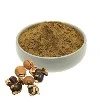
Tea saponin powder is a natural glycoside extract of tea oil tree seeds (Camellia oleifera). As a powder, it is:
- Plant-based and biodegradable
- Naturally foaming and surfactant-loaded
- Mild poison for ivy, poison ivy, poison oak and some insects, but harmless to most beneficial organisms
- It can be used for organic farming application
Due to its amphiphilic molecule structure (both water- and fat-soluble), it has the ability to effectively reduce the surface tension, increase nutrient uptake, and disrupt the cell membrane of some insects.

Why Tea Saponin Is Best for Eco-Friendly Farming
Organic farming focuses on practices that disrupt the ecosystem to a lesser degree while maintaining the health of plants and their yields. Tea saponin belongs to these ideologies in several ways:
2.1 Organic Pest Control
Tea saponin is an insecticide against soft-bodied insects including:
- Nematodes
- Snails and slugs
- Some insect larvae
Its method of activity versus pests is killing of pest cell membranes, which leads to dehydration and death. Unlike chemical pesticides, tea saponin biodegrades with no toxic residual chemical present in water or soil.
Eco advantage: Less dependence on poisonous pesticides, which spare helpful bugs such as bees, butterflies, and ladybugs.
2.2 Soiling Health Improvement
Healthy soils form the pillars of sustainable farming. Tea saponin helps to:
- Increasing microbial diversity - Fosters health-improving bacteria and fungi that enhance plant growth.
- Facilitating aeration - Reduces compaction of the soil to enable root penetration more easily.
- Increasing nutrient availability - Facilitates increased solubility of nutrients in the soil.
Eco benefit: Improves soil fertility over the longer term, reducing reliance on artificial fertilizers.
2.3 Agricultural Spray Natural Surfactant
Agricultural surfactants distribute and stick fertilizers, herbicides, and pesticides onto the surface of plants in a uniform pattern. Tea saponin is used as a biodegradable replacement for chemical surfactants to enhance:
- Spray coverage
- Nutrient uptake
- Application efficiency
Eco benefit: Less chemical deposition into waterways, lower product usage, and lower production cost.
2.4 Weed and Algae Suppression
Tea saponin possesses allelopathic properties, i.e., inhibits germination and growth of certain weeds. It inhibits bloom of algae in hydroculture cultivation or irrigation.
Eco benefit: Reduces herbicide and algaecide application, hence conserving aquatic biodiversity.
2.5 Compatibility with Organic and Regenerative Agriculture
As a natural and plant-based molecule, tea saponin can be certified as organic in most of the world. It also meets regenerative agriculture principles based on soil regeneration and diversity.

How Tea Saponin Powder Works
The chemical secret of tea saponin's crop benefits is:
- Pest management: Binds to pest cell membranes, inducing toxicity in the target pests but not crops.
- Surfactant activity: Reduces liquid surface tension, allowing even spray spreading and improved water penetration through the soil.
- Microbial activation: Stimulates the state for positive microorganisms by reducing harmful pest numbers and improving water retention by the soil.

Applications in Organic Gardening
4.1 Soil application
- Purpose: Inhibit nematodes, aerate the soil, and promote beneficial microbes.
- Application: Add to compost or spray onto soil before planting.
4.2 Foliar Sprays
- Purpose: Enhance the effectiveness of organic fertilizers and biopesticides.
- Application: Mix with other crop sprays in water and dissolve to provide more comprehensive coverage.
4.3 Weed and Algae Control
- Purpose: Inhibit weed seed germination and prevent algae growth in irrigation ponds.
- Method: Apply as instructed in aquatic or terrestrial applications.
4.4 Post-Harvest Cleaning
- Purpose: Apply as a natural cleaner for equipment or produce surface.
- Method: Employ its foaming and emulsifying action to provide residue-free, safe cleaning.

Environmental Benefits of Use of Tea Saponin Powder
| Benefit | Impact on Eco-Friendly Farming |
|---|---|
| Biodegradability | Breaks down naturally without polluting soil or water |
| Reduced Chemical Dependency | Less reliance on synthetic pesticides and surfactants |
| Biodiversity Protection | Safe for beneficial insects and soil organisms |
| Water Quality Preservation | Low risk of harmful runoff and eutrophication |
| Soil Regeneration Support | Enhances microbial activity and nutrient cycling |

Safety Precautions
Even though tea saponin occurs naturally, caution is essential:
- Don't over-use, as high concentration is toxic to sensitive crops.
- Handle powder with gloves and masks to avoid irritation.
- Use recommended agricultural rates for individual crops.

The Future of Farming: The Role of Tea Saponin
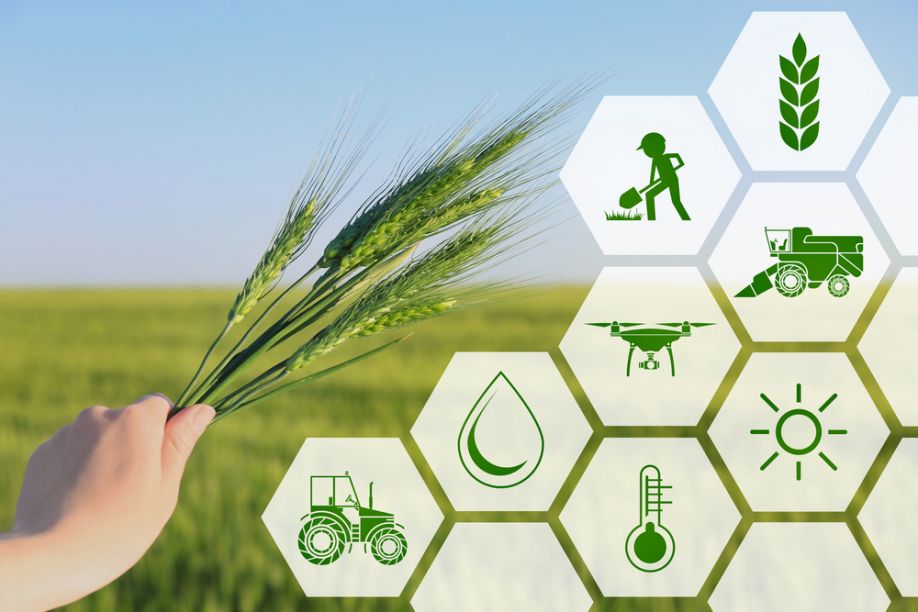
As customers expect cleaner, safer, and greener food, farmers will have to embrace inputs promoting productivity and eco-wellness. Multifunctionality of tea saponin-encompassing pest control, soil improvement, and spray enhancement-makes it a strong contender for future farm management.
Its ability to reduce chemical dependence and safeguard the soil ecosystem makes it a suitable newcomer to climate-smart agriculture and regenerative agriculture.
Conclusion
Tea saponin powder offers an effective, plant-based alternative to farmers who wish to be ecologically and environmentally friendly. If used in soil management, pest control, and spray applications, farmers can:
Reduce environmental degradation
Improve soil and crop health
Reduce long-term cost of production
As agriculture becomes increasingly high-tech, tea saponin's natural benefits will be increasingly at the center of building a greener, more sustainable future for farming.
References
Chen, X., et al. (2011). "Saponins from Camellia oleifera seed cake and their biological activities." Journal of Agricultural and Food Chemistry, 59(7), 3118–3126.
Yang, R., et al. (2013). "Control of plant-parasitic nematodes by saponins from tea seed cake." Crop Protection, 45, 88–94.
FAO. (2021). Sustainable crop production and pest management. Food and Agriculture Organization of the United Nations.
Li, Y., et al. (2016). "Allelopathic effects of tea saponin on weed suppression." Allelopathy Journal, 38(2), 205–214.