


The powerful surface-active properties and antimicrobial effects of tea saponin powder are making this natural solution increasingly popular in animal feed, aquaculture, and agricultural applications. As demand increases, more and more buyers and formulators will start considering the price of tea saponin powder, but not just the number itself, rather what determines value.
In the following article, we will review the main factors that determine the price of tea saponin, market trends, typical range of quotations, quality characteristics, and how to make smart purchases.
What is tea saponin powder?
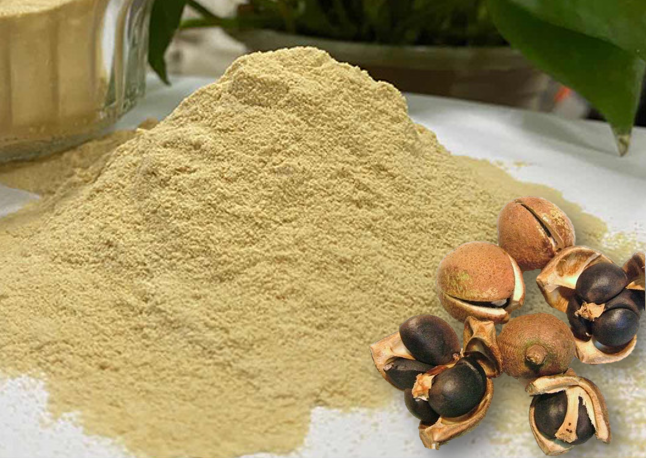
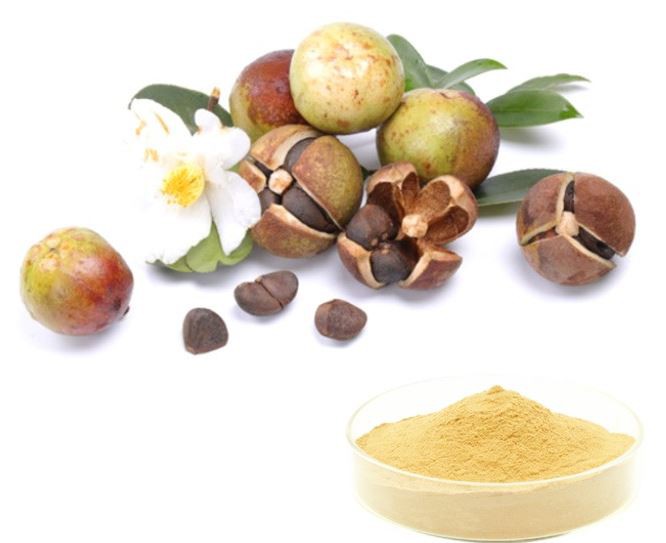
The powder form of tea saponin is extracted from Camellia sinensis seeds and contains a natural glycoside. Its main application is in:
- Animal feed formulations
- Aquaculture pond management
- Natural pesticide and molluscicide
- Soil conditioners and detergents
- Plant growth applications
Triterpenoid saponins in tea saponin have properties of emulsification, foaming, and biological action that promote parasite control and gut health.

Current Price Range of Tea Saponin Powder-Market Overview
Prices depend strongly on quality and application grade. Following are common price ranges in global wholesale:
| Grade | Typical Price Range (USD/kg) | Application |
|---|---|---|
| Industrial Grade | $2.50 – $4.00 | Detergents, soil use |
| Feed Grade | $3.80 – $7.00 | Livestock, poultry |
| Aquaculture Grade | $4.50 – $9.00 | Pond treatment |
| High Purity (≥90%) | $8.00 – $15.00 | Specialty formulations |
Note: Prices vary according to the harvest season, region, and supply chain conditions.
Key Factors Affecting Tea Saponin Powder Price
1. Purity and Saponin Content
The higher the saponin content, the more effective the product-and the higher the price. Common commercial concentrations include:
- 30%–50% (low-cost industrial use)
- 60%–70% (feed and pond use)
- 90%+ (high-value specialty uses)
2. Extraction Method
Though costlier, solvent extraction gives higher purity than water extraction, while advanced filtration and crystallization further increase the cost of production.
3. Source of Raw Material
Tea saponin derived from:
- Fresh Camellia seeds
- By-products from tea oil production
- Wild versus cultivated tea plants
- Quality raw material = stable saponin content = higher price.
4. Manufacturing and Certification
GMP facilities, food-grade solvents, and ISO compliance raise production costs but ensure the safety of the products.
5. Freight and Packaging
Foil bags and moisture protection, therefore, have immense impact on landed cost, especially in international markets like Southeast Asia.

Assessing the Value of Tea Saponin: Beyond Pricing
Low price is not always equal to savings. Ask suppliers for:
- COA - Certificate of Analysis
- Saponin testing method
- Purity verification
- Application dosage guidance
- Data on shelf-life
- Moisture content
A product sold for $4/kg with 40% saponin may actually be more expensive per effective unit than a $7/kg product with 85%.

Tea Saponin for Feed and Aquaculture: Worth Its Price?
Despite being more expensive than synthetic surfactants, tea saponin has the following advantages:
- Biodegradability
- Low toxicity to higher animals
- Mollusk and parasite control
- Improved nutrient absorption in feed
- Natural origin for sustainable branding
It makes it cost-effective in the long run by reducing the use of chemicals and increasing animal survival.

Price of Tea Saponin in Southeast Asia and the Philippines
Prices in Southeast Asia are influenced by:
- Import tariffs
- Currency fluctuations
- Shipping volume
- Local availability
Sourcing from regional suppliers in the Philippines instead of overseas traders reduces:
- Lead time
- Port handling charges
- Risk of quality impairment
HJ AGRIFEED Perspective: Price vs. Performance
Competitive Price of Tea Saponin Powder As HJ AGRIFEED, we build trust by not only offering competitive tea saponin powder price but delivering quality and technical support consistently. Our customers benefit from:
- Stable saponin content
- Flexible packaging sizes
- Custom purity grades
- Professional documentation
- Reliable delivery
We believe that smart sourcing is about more than finding the cheapest supplier; it's about maximizing returns on every kilogram.

Tips for Buying Tea Saponin Powder in Bulk
- Compare purity levels, not just unit price
- Request samples to be tested
- Enquire about batch uniformity
- Confirm packaging method
Negotiate volume discounts Check production history of suppliers Verify regulatory compliance

Conclusion
The cost of tea saponin powder correlates with purity, method of production, certification, and logistics. For those buyers who can look beyond the superficial price, better performance and cost efficiency await. As feed and aquaculture move toward natural solutions, tea saponin remains one of today's most reliable plant-based additives. Choosing the right grade at the right price ensures consistency, safety, and savings in the long run.


