


One of the major focuses of modern livestock and poultry farming is improving feed efficiency: maximizing the amount of weight or production animals get from each unit of feed consumed. Feed efficiency has a direct influence on profitability and sustainability of animal production, as well as its overall environmental footprint.
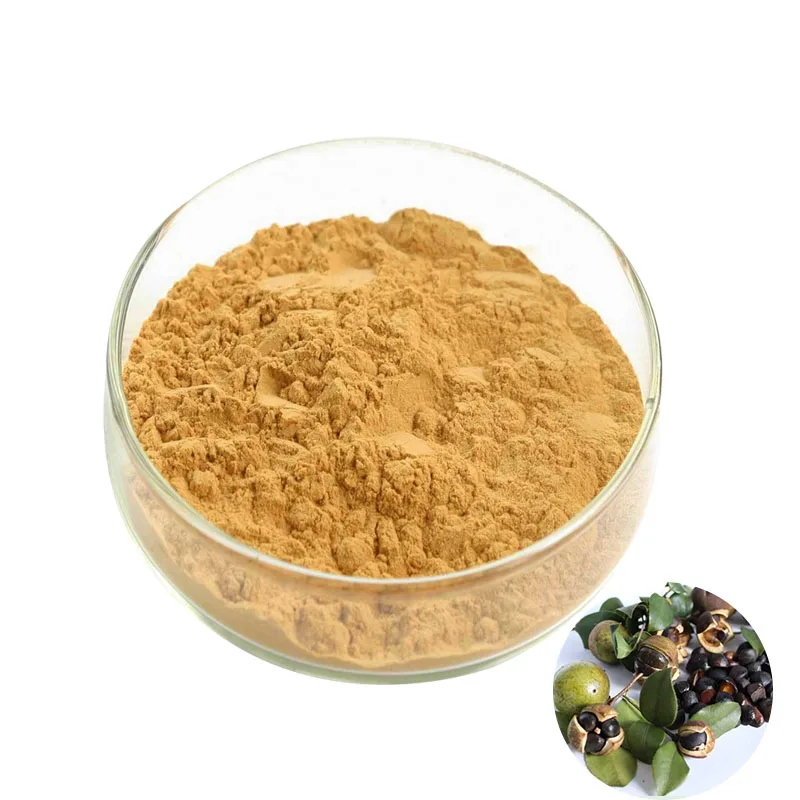
Among the ever-growing list of natural feed additives that support these objectives, one that has received considerable attention is tea seed saponin, a plant compound extracted from the seeds of Camellia oleifera or Camellia sinensis. It finds broad applications in feed formulation for poultry, swine, cattle, aquaculture, and even pets.
This bioactive compound offers the potential to be used as a natural surfactant, antimicrobial agent, and enhancer of digestion, facilitating better nutrient utilization and animal performance. Let's go into the details of how tea seed saponin enhances feed efficiency and its increasing popularity as a substitute for synthetic growth promoters.
What Is Tea Seed Saponin?
Tea seed saponin belongs to a class of naturally occurring triterpenoid glycosides found in tea plant seeds. It possesses strong foaming, emulsifying, and detoxifying properties. These characteristics make it valuable not only in animal feed but also in organic fertilizers, aquaculture management, and natural pesticides.
When used as a feed additive, tea seed saponin offers benefits such as:
- Improved nutrient digestibility
- Reduced ammonia emissions
- Enhanced gut microbiota balance
- Strengthened immune function
- Better growth performance
Unlike synthetic additives, tea seed saponin is biodegradable, eco-friendly, and residue-free, aligning well with the principles of sustainable livestock production.

Tea Seed Saponin Enhances Digestive Efficiency
Feed efficiency begins in the digestive tract. Animals that can digest and absorb nutrients more effectively grow faster on less feed.
Tea seed saponin acts as a natural surfactant, helping to emulsify fats and oils in the gastrointestinal tract. This increases the surface area of lipids available for enzyme activity, leading to better fat digestion and absorption.
Key Digestive Benefits:
- Stimulates secretion of digestive enzymes such as lipase, amylase, and protease
- Promotes emulsification of dietary fats for easier breakdown
- Enhances gut motility and nutrient absorption
- Reduces intestinal inflammation, promoting a healthy mucosal barrier
In practical feeding trials, animals supplemented with tea seed saponin often show higher feed conversion ratios (FCR) and improved growth rates compared to control groups.

Supports a Healthy Gut Microbiome
The gut microbiome plays a crucial role in nutrient absorption and overall feed efficiency. A balanced intestinal ecosystem ensures beneficial bacteria outcompete pathogens, improving digestion and immune defense.
Tea seed saponin supports this by:
- Suppressing harmful bacteria like E. coli, Salmonella, and Clostridium perfringens
- Encouraging the growth of beneficial microbes such as Lactobacillus and Bifidobacterium
- Reducing toxin production in the intestines
This balance leads to:
- Less energy spent fighting infections
- Improved nutrient utilization
- Enhanced intestinal integrity
In poultry, for instance, adding tea saponin to diets has been shown to reduce gut pathogen loads and improve intestinal morphology-key indicators of a healthier and more efficient digestive system.

Improves Protein Utilization and Nitrogen Retention
Protein metabolism is a major determinant of animal growth and feed efficiency. Tea seed saponin has been found to enhance protein digestion and nitrogen utilization, meaning animals can gain more body mass from the same protein intake.
Studies show that saponins:
- Increase nitrogen retention in tissues
- Reduce nitrogen excretion in feces and urine
- Improve the amino acid profile available for muscle synthesis
This not only boosts productivity but also lowers environmental pollution from animal waste. Reduced ammonia emissions make for healthier barns and better air quality.
Enhances Immune Function and Reduces Stress
Feed efficiency doesn't depend solely on nutrient absorption-it's also affected by the animal's immune and stress status. When animals face disease or stress, more nutrients are diverted toward immune responses instead of growth.
Tea seed saponin contains natural immunomodulatory compounds that stimulate both innate and adaptive immunity. It helps:
- Increase antibody production
- Activate macrophages and lymphocytes
- Reduce oxidative stress
- Lower inflammation markers
- As a result, animals remain healthier, eat more consistently, and use nutrients more efficiently.
For example, in broilers and pigs, tea seed saponin supplementation has been linked with:
- Better growth during heat stress
- Fewer intestinal infections
- Higher survival and performance rates

Reduces Pathogen Load and Disease Impact
Pathogenic bacteria, parasites, and fungi can disrupt feed efficiency by damaging the intestinal lining and reducing nutrient absorption.
Tea seed saponin demonstrates broad-spectrum antimicrobial and antiparasitic activity, helping to:
- Suppress coccidiosis in poultry
- Reduce worm loads in ruminants
- Control protozoa and parasites in aquaculture
By lowering the pathogen burden, animals experience improved digestion and feed conversion, leading to more efficient production with less medication.

Enhances Lipid Metabolism
One of the lesser-known but powerful effects of tea seed saponin is its ability to regulate lipid metabolism. It helps animals utilize fats more efficiently, improving energy conversion.
Mechanisms include:
- Increasing bile acid secretion
- Enhancing lipid emulsification
- Reducing fat deposition and improving lean meat yield
In growing livestock, this leads to improved carcass composition, with higher muscle content and less fat.

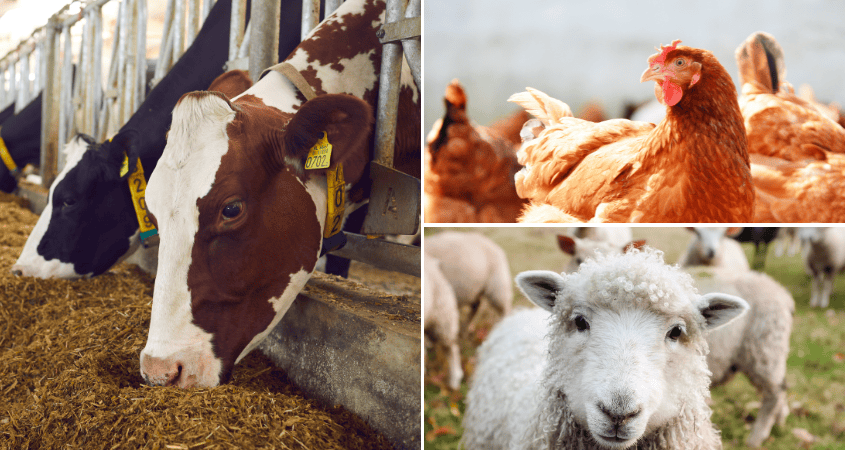
Applications in Different Animal Species
| Animal | Benefits of Tea Seed Saponin Supplementation |
|---|---|
| Poultry | Improves feed efficiency, gut health, and egg production quality |
| Pigs | Enhances digestion, immunity, and weight gain |
| Cattle/Sheep | Reduces methane production, improves rumen fermentation |
| Fish/Shrimp | Increases feed utilization, improves water quality, enhances survival |
| Pets | Supports digestion and immune balance |
Because of its versatility, tea seed saponin is considered a multi-functional feed enhancer for both terrestrial and aquatic species.
Promotes Sustainable and Eco-Friendly Production
Feed efficiency isn't just about productivity-it's also about sustainability. Tea seed saponin plays an environmental role by:
- Reducing ammonia emissions from manure
- Improving nitrogen utilization
- Lowering dependence on antibiotics
- Enhancing overall animal welfare
These factors make it a valuable component in eco-friendly and organic feed programs that prioritize animal health and environmental responsibility.
Research Findings and Case Studies
Several studies support the beneficial role of tea seed saponin in animal feed:
Liu et al. (2021) found that supplementing broiler diets with tea seed saponin improved body weight gain and feed conversion ratio while reducing intestinal inflammation.
Xu et al. (2018) reported that pigs receiving tea seed saponin exhibited enhanced nutrient digestibility and immune function.
Zhou et al. (2019) demonstrated its effectiveness in aquaculture, showing improved growth and lower mortality in shrimp.
Zhang et al. (2020) observed that ruminants supplemented with saponin-rich feed had reduced methane output and improved rumen microbial balance.
These results confirm that tea seed saponin supports efficient, sustainable animal production when properly incorporated into diets.

Dosage and Usage Guidelines
The correct dosage depends on the species and feed formulation. Below are general guidelines:
| Species | Recommended Dosage |
|---|---|
| Poultry | 100–250 mg/kg feed |
| Swine | 50–200 mg/kg feed |
| Cattle/Sheep | 200–500 mg/kg feed |
| Fish/Shrimp | 10–50 mg/kg feed |
Important: Overdosage may cause feed intake reduction or irritation, particularly in sensitive aquatic species. Always follow supplier or nutritionist recommendations.

Conclusion
Tea seed saponin offers a natural, multifunctional solution to one of the biggest challenges in modern animal production-feed efficiency. Through its surfactant, antimicrobial, and immune-enhancing actions, it helps animals extract more nutrients from their feed, stay healthier, and perform better under stress.
When used at the right dosage, tea seed saponin contributes to:
- Higher growth rates
- Better FCR values
- Reduced waste and emissions
- Improved sustainability
In a world moving toward natural and antibiotic-free animal nutrition, tea seed saponin stands out as a safe, eco-friendly, and effective feed additive that supports productivity while protecting both animal health and the environment.
References
Liu, H., et al. (2021). "Effects of tea seed saponin supplementation on growth performance, immune response, and intestinal health in broiler chickens." Poultry Science, 100(5): 101–110.
Xu, Z., et al. (2018). "Dietary tea saponin enhances nutrient digestibility and immunity in weaned pigs." Animal Feed Science and Technology, 246: 47–55.
Zhou, J., et al. (2019). "Tea saponin improves survival and growth performance in shrimp by enhancing digestive enzyme activity." Aquaculture Research, 50(2): 345–354.
Zhang, Y., et al. (2020). "Influence of tea seed saponin on rumen fermentation, methane emission, and microbial composition in cattle." Animal Science Journal, 91(6): e13456.
Wang, C., et al. (2022). "Natural saponins as feed additives: mode of action and potential benefits in livestock production." Frontiers in Veterinary Science, 9: 892735.


