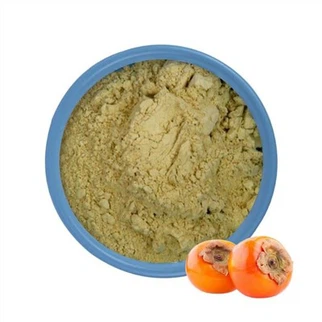
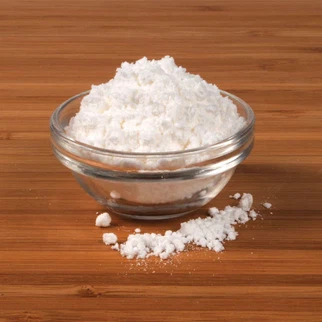
Nutrients for plants are indeed the primary basis for agricultural production. Though conventional or traditional fertilizer already contains nitrogen, phosphorus, and potassium, the three major nutrients required by plants, contemporary agriculture has recently discovered the importance of the plant's efficiency when it comes to processing nutrients, as it is as crucial as the nutrients themselves. This, consequently, has recently sparked great interest for natural biostimulatory materials, specifically "Policosanol or Triacontanol."
Among many other substances is the position of Policosanol and particularly its most potent agent, Triacontanol C30. This is caused by the fact that it is neither a vitamin nor a synthetic hormone. Therefore, its ability to promote the physiological activities in the plants triggers the crops to be robust and resistant under diverse conditions.
In this article, the purpose of Policosanol, also referred to as Triacontanol, in plant nutrition and development, its mechanism of action within a plant, as well as its progressively increased use in environmentally friendly and high-performance agriculture will be discussed.
What Is Policosanol (Triacotanol)
Policosanol: This compound is a natural combination of several long-chain fatty alcohols extracted from plant waxes. Its commercial sources include:
- Sugarcane Wax
- Rice bran wax
- Wheat germ
- Other natural waxes that are found on the surface
Out of these, Triacontanol (C30) is the most active biologically and is mainly responsible for the major growth-promoting actions in plants brought about by Policosanol.
Triacontanol also occurs naturally as a component of the cuticular layer of plants, which shields the leaves and stems of plants from dehydration, heat, UV light, insects, and pathogens. The use of the material in agricultural settings helps the plants to take the normal advantages associated with the cuticular layer of plants.

Plant Nutrition: Beyond Fertilizers
Plant nutrient availability in soil is not the only factor that influences the nutritional needs of plants; according to the text, other factors are
- Root Development And Activity
- Roots keep
- Nutrient uptake efficiency
- Nutrient transport within organisms
- Metabolic energy availability
- Plant responses to environmental stresses
Poor physiology will undermine the plant's ability, even with ample nutrient supply. It is here that Policosanol (Triacontanol) can help, in the improved nutrient utilization efficiency and not in the elimination of fertilizer.
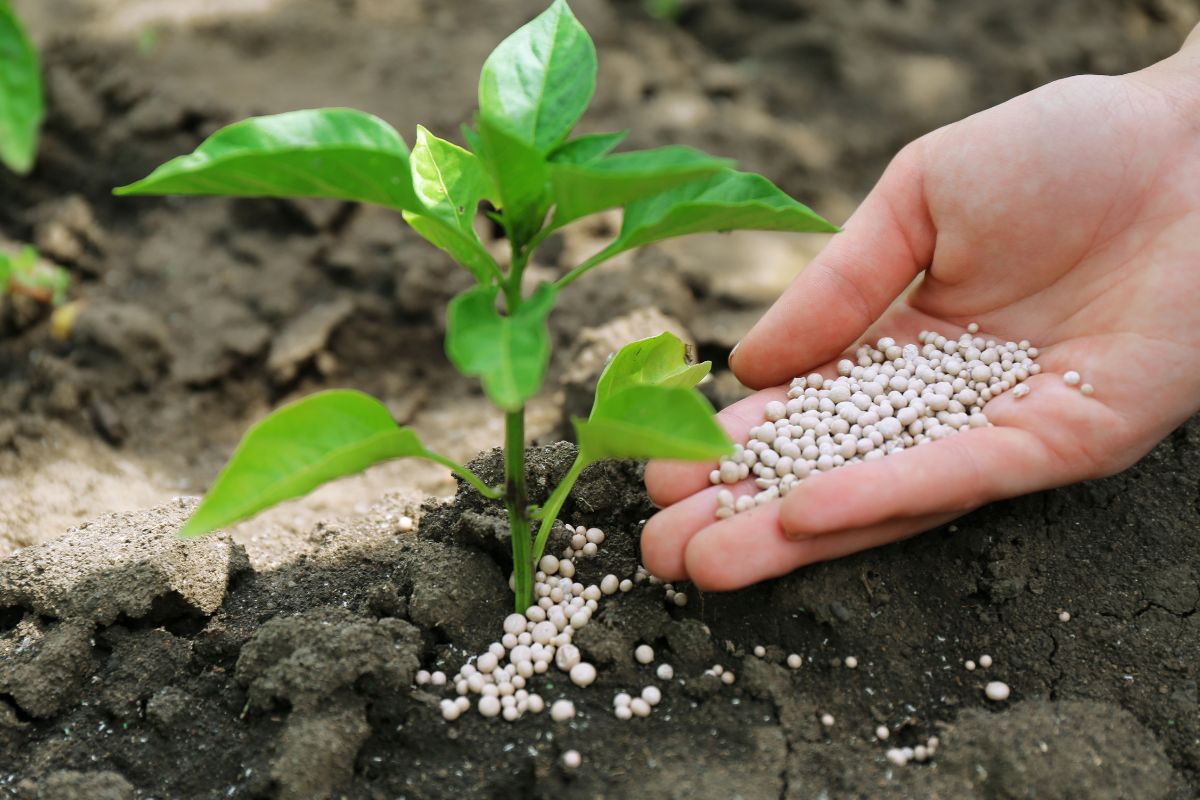
/GettyImages-138093395-d9cac97b1f1949f2a8bc42fdef42f099.jpg?size=558x0 "Policosanol (Triacontanol) supplier")
Policosanol (Triacontanol) and Its Biological Importance
1.Enhances efficiency of nutrient absorption.
"This nutritional additive is proved to enhance nutritional intake by the plant from soil and fertilizers in the following ways:"
- Encouraging root development and root hair formation
- Increasing membrane permeability in root cells
- Nutrient transport mechanism activation follows.
As a result, availability of nitrogen, phosphorus, potassium, as well as micro-nutrients, improves
2. Enhanced Internal Nutrient Transport
Once the nutrients get into the plant tissues, they must be distributed effectively into the leaves, stalks, and reproductive parts. Triacontanol promotes:
- Nutrient transport by vascular tissues
- In plants like
- Nutrient assimilation enzyme activity
- Providing nutrients to areas of actively growing tissue.
This ensures that the growth is uniform and that it promotes fewer nutrient-deficiency problems.
3. Improve Nitrogen Metabol
Nitrogen is one of the most vital elements for plant growth. Triacontanol helps in nitrogen utilization efficiency by:
- Enhancing nitrogen assimilation
- Increase in protein synthesis
- Reduction of nitrogen wastage
It also makes possible the growth of more vigorous plants when nitrogen is presently added or reduced.
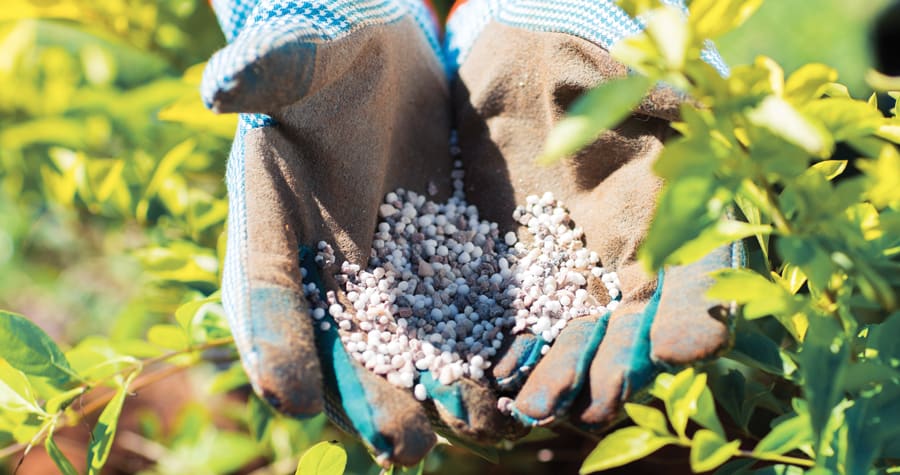
How Policosanol (Triacontanol) Increases Plant
1. Boosted Photosynthesis and Energy Output
Photosynthesis is the cause of plant growth. Triacontanol Policosanol stimulates photosynthesis by:
- Enhanced chlorophyll content
- Improving CO₂ Assim
- Enhancing stomatal functions
- ATP: Externally influencing
This is because energy availability is directly proportionate to growth and inversely proportionate to growth rates, and leaves are inversely proportionate to
2. Inducing Strong Root & Shoot Development
Triacontanol reinforces well-balanced root, shoot, and root-shoot ratios by
- Increasing root elongation and branching
- Enhancement of shoot growth and stem strength
- It gives the plant a much more vigorous appearance.
This is crucial when it comes to nutrition, stability, and productivity.
3. It Strengthens Plant Structure
Plants treated with Policosanol include:
- More thickness in the
- Increased, healthier leaves
- Enhanced canopy architecture
- Fewer lodging occurrences in field crops
A more robust plant architecture facilitates better light interception and support for higher yields.

Stress and Plant Health Benefits
Environmental stressing factors affect the efficiency of nutrition and growth. This is where Policosanol Triacontanol plays an important role in maintaining the nutrition and growth of plants during stress.
Drought Stress
It acts to strengthen the cuticular wax layer. It helps to reduce water loss and hence enables the plants to continue absorbing nutrients even when there is drought.
Heat Stress
Under high temperature processing, it functions to stabilize the cell membrane and activate the antioxidant system, offering protection against oxidation and photosynthesis.
Salinity and Soil Conditions
Triacontanol enhances the function and osmotic regulation mechanisms of the roots to enable the uptake of nutrients even when the soil is saline or nutrient-poor.
Enhanced Natural Immunity
Well-nourished plants tend to be less susceptible to diseases, of course. There are many health benefits to policos
- More rigid cell walls
- Enhanced enzymatic activities against plant defense mechanisms
- Lower susceptibility to pathogens

Effect on Flowering, Fruiting, and Yield Quality
Enhanced nutritional and growth factors mean improved reproductive rates. The grower can expect these factors:
- More flower bud development
- Less flower and fruit drop
- Enhancing fruit and grain filling
- improved size, color, and uniformity of produce
These benefits will have even greater significance in the context of fruit crops, vegetables, and other valuable horticultural plants.

Crops that Benefit from Policosanol (Triacontanol)
The greatest advantage of policosanol triacontanol is its efficacy on a large number of agricultural products such as:
- Vegetable (tomato, pepper, cucumber, leafy greens
- Fruit trees : citrus, mango, banana, grapes
- Crops like rice, wheat, and corn.
-
Oilseeds
- Legumes
- Ornaments and flowering plants
- Industrial crops, like cotton and sugarcane
- Modes of Application in Plant Nutrient Schemes
There are several modes

Application on Foliage
Doses:
- Frequency: Every 10 to 15 days
- Best Time to Go: Early mornings or late afternoons
Seed Treatment
It enhances the process of germination, nutrient uptake, and establishment.
Application to Soil or Drip Irrigation
It promotes plant development by increasing the formation of roots to assist in the absorption of more nutrients.
Compatibility
Generally, policosanol has been found to be compatible with most fertilizers, micronutrients, humic substances, seaweed extracts, and amino
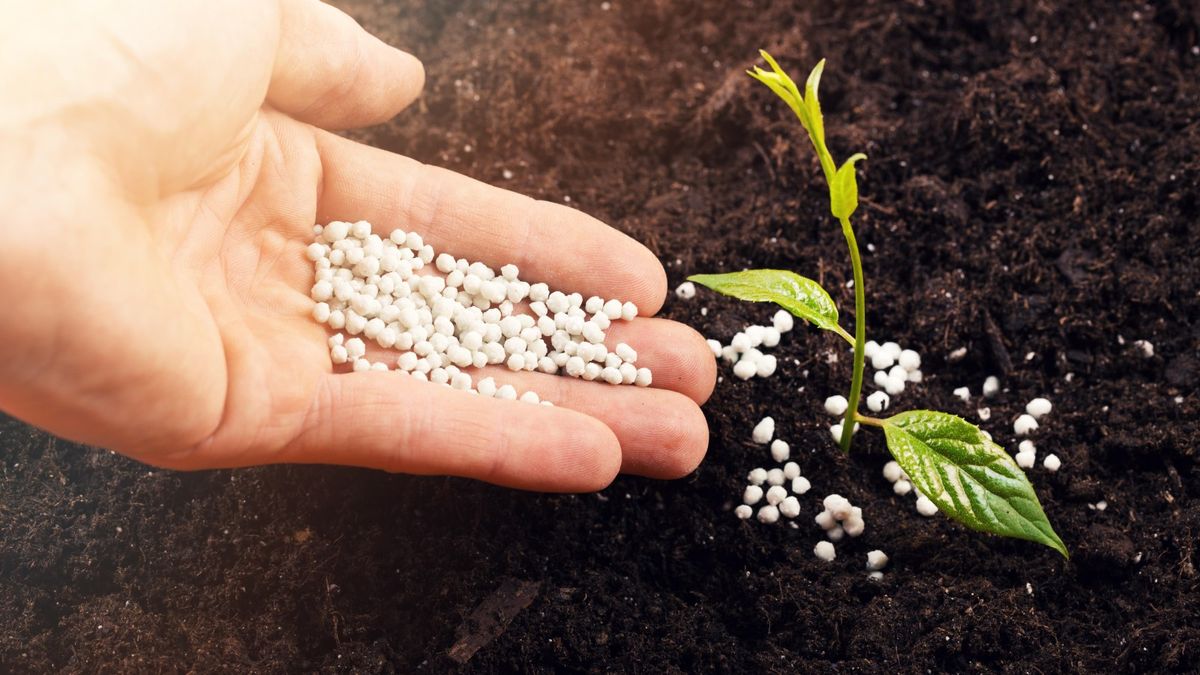
Why Policosanol,Triacontanol for Sustainable Plant Nutrition
Policosanol Tria
- Naturally Derived and Plant-Based
- Active at very low concentrations
No toxicity and nonresidual Non-toxic to soil microbes and other beneficial insects Suitable for organic and natural farming systems It enables effective plant nutrient intake without adversely affecting the environment.
Conclusion: Triacontanol or Policosanol: The Effective Nutritional Plant Growth Regulator
Policosanol-Triacontanol is effective in plant nutrition and growth since it increases nutrient intake, photosynthesis, development of strong roots, and plant architecture and also increases resistance to environmental stress. It is not intended to be used as a fertilizer supplement. Rather, it assists in harnessing the effectiveness of its nutritional components within the plant to improve plant growth and development. For plant growers who seek effective means of promoting plant nutrient intake to improve plant performance, Policosanol Triacontanol is an effective means.