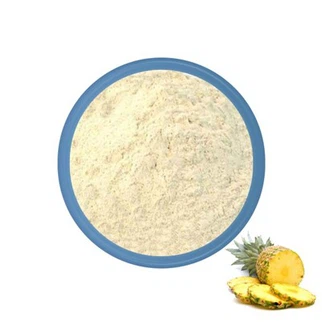
Where natural animal nutrition is involved, natural plant material is being incorporated into commercial pet fare and home feeding regimens increasingly. One of these super foods gaining momentum in the natural health community-both human and animal-is wheat grass powder. With its nutritional strength and detoxifying effects, wheat grass has a number of beneficial effects on cats and dogs.
But what exactly is wheat grass powder, and how can it support your pet's health?
In this blog, we'll explore the key benefits of wheat grass powder in pet nutrition, how it works, how to use it safely, and what to look for in a quality product.

What Is Wheat Grass Powder?
Wheat grass is the fresh, newly sprouted leaves of the common wheat plant (Triticum aestivum). Having been harvested before it turns into wheat grain, wheat grass has no gluten in it and is pet-safe if utilized properly.
Dehydrated and powdered green, wheat grass is an extremely dense food source for:
- Chlorophyll
- Vitamins A, C, E, and K
- Iron, magnesium, calcium, and potassium
- Enzymes and amino acids
- Fiber and antioxidants
This nutritional behemoth does it all, from detoxifying and digesting to immune function and skin health in your pets.

Benefits of Wheat Grass Powder on Your Pet
1. Natural Detox Support
Wheat grass contains chlorophyll, a substance with cleansing capabilities. In animals, chlorophyll removes from the body:
- Toxins from tissues and blood
- Supports liver
- Reduces halitosis and body odor
- Binds and eliminates heavy metals
This makes wheat grass very valuable for pets exposed to environmental toxins, drugs, or poor nutrition.
2. Healthy Digestion Support
Wheat grass has food-digesting enzymes such as amylase and protease. Its nutrient value and fiber value supports:
- Bowels regulation
- Prevention of constipation or diarrhea
- Maintenance of healthy gut microbiome
In cats, it can even help bring about the natural expulsion of hairballs because fiber makes hair swallowed with food easier to expel.
3. Enhances Immunity
The antioxidants and vitamins contained in wheat grass, particularly vitamin C, E, and flavonoids, enhance your pet's immunity. This helps in:
- Prevents infection
- Allows recovery from illness
- Lessens inflammation and oxidative stress
Chlorophyll is also an immune modulator that enables the body to recognize and eliminate pathogenic microbes more effectively.
4. Enhances Skin and Coat Health
Wheat grass powder includes essential fatty acids and vitamin E, which aid:
- Glossier, darker coats
- Fewer itchies or patches of dry skin
- Smaller, smoother paw pads and nails
Seasonal allergy-sensitive or skin-allergic animals can benefit from the anti-inflammatory and calming properties of wheat grass internally.
5. Gives Natural Energy and Life
Due to its broad range of micronutrients and enzymes, wheat grass has the ability to give your pet natural energy. It helps:
- Healthy metabolism
- Enhanced stamina in highly active dogs
- Enhanced overall vitality in geriatric or recuperating animals
Wheat grass is particularly good for elderly dogs and cats, replenishing nutrients perhaps not included in older-age food.
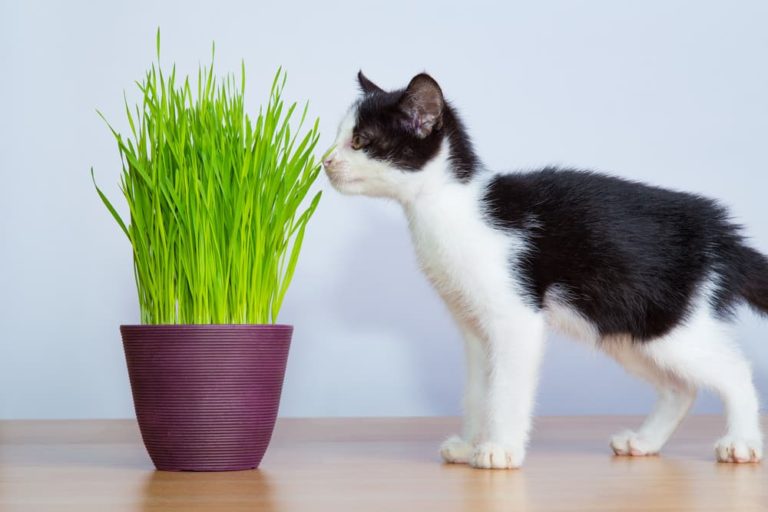
6. Promotes Natural Foraging Behavior in Cats
Cats are most famously known for their grass grazing as a natural behavior. Incorporating wheat grass powder into their diets can assist with:
- Satisfying their greens natural need
- Prevent vomiting or hairball maintenance
- Minimize chewing on toxic plants in the house
It is safer than many foreign outdoor grasses which might have pesticides or parasites.
How to Use Wheat Grass Powder in Pets
Wheat grass powder is simple to use and extremely palatable when introduced appropriately. Here's how:
Dosage Guidelines (General):
| Pet Size | Suggested Daily Amount |
|---|---|
| Small pets (under 10 kg) | 1/4 to 1/2 tsp |
| Medium pets (10–25 kg) | 1/2 to 1 tsp |
| Large pets (25+ kg) | 1–2 tsp |
Begin with a low amount and gradually increase over 3–5 days.
How to Feed It:
- Add to wet or dry food
- Blend with yogurt, goat milk, or bone broth
- Add to homemade treats or smoothies
- Sprinkle lightly over kibble as a topper
Pro Tip: Some pets are picky about the taste of greens. Blend wheat grass powder with something strong like sardine oil or chicken broth for improved palatability.

Is Wheat Grass Powder Safe for Pets?
Yes-wheat grass is normally safe and non-toxic to dogs and cats in limited amounts.
Safe For:
- Healthy adult dogs and cats
- Pets suffering from skin issues, hairballs, or stomach issues
- Senior pets that require dietary support
Use Caution If:
- Your pet is grain-allergic or wheat-sensitive (rare but possible)
- Your pet has a specific kidney or liver diet-ask a vet first
Always select a gluten-free product, as wheat grass that is cut before the grain head forms does not have gluten.

What to Look for in a Good Wheat Grass Powder
For your pet to receive the maximum benefit from the product, look to see if the product is:
| Feature | Why It Matters |
|---|---|
| Certified organic | Free from pesticides or chemical residues |
| 100% pure wheat grass | No fillers, sweeteners, or flavorings |
| Cold-processed or freeze-dried | Preserves nutrients and enzymes |
| Tested for contaminants | Safe from molds, heavy metals, or bacteria |
| Pet-safe and labeled for animal use | Ensures proper sourcing and standards |

Conclusion
Wheat grass powder is an efficient, mild, and nutrient-rich superfood that protects your pet's digestion, detoxification, immunity, and skin health. Be it providing your cat's digestive health with an additional boost or your dog must recover from inflammation or poor diet, wheat grass can prove to be a valuable supplement to their diet.
With its condensed blend of vitamins, minerals, chlorophyll, and fiber, wheat grass powder is one of the most organic means of giving your pet-"from the inside out"-the kind of nutrition your pet needs.
References
Rana, S. V. (2008). Nutritional and health benefits of wheat grass. Journal of Herbal Medicine and Toxicology, 2(1), 75–80.
Sritanti, C. et al. (2015). Chlorophyll as a functional food ingredient. Asian Journal of Animal and Veterinary Advances, 10(5), 217–225.
National Research Council (NRC). (2021). Nutrient Requirements of Dogs and Cats.
Smith, T. A. (2010). The effect of wheat grass supplementation on oxidative stress in animals. Veterinary Therapeutics, 11(2), 133–140.