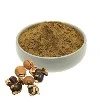
As individuals increasingly look to nature and wholesomeness to maintain the health of their pets, hemp seed powder has become a star among pet foods. Derived from the seeds of Cannabis sativa, hemp seed powder contains a potent nutritional profile-without the marijuana high.
Rich in protein, healthy fats, fiber, vitamins, and minerals, hemp seed powder is a mild yet robust supplement to feed the skin, joints, digestive tract, and immune system of your cat or dog. Hemp seed powder is fully legal, safe, and non-euphoric-a wonderful plant-based pet supplement to give daily.
In this article, we'll break down the top benefits of hemp seed powder in pet diets and explain how to incorporate it safely into your pet's routine.

What Is Hemp Seed Powder?
Hemp seed powder is produced by cold-pressing raw hemp seed to press out the oil, and then milling the remaining seedcake into powder. Hemp seed powder contains no CBD oil or cannabis products' THC and trace levels of cannabinoids.
But it's valued for its:
- Whole plant protein (all 9 essential amino acids)
- Omega-3 and omega-6 fatty acids in the perfect 3:1 ratio
- Gamma-linolenic acid (GLA), a rare anti-inflammatory fat
- High fiber content for digestive health
- High mineral content (magnesium, iron, zinc, calcium)
- Vitamin E and B-complex antioxidants
Blending these together, hemp seed powder is a strong, food-grade supplement to enhance overall canine and feline health.

Hemp Seed Powder's Heart Benefits for Pets
1. Healthy Skin and Glossy Coat
The omega-6 fatty acids in hemp seed powder-mainly linoleic acid-and omega-3 fatty acids (alpha-linolenic acid) are significant to skin cell health and moisture levels. Benefits include:
- Less dry, itchy skin
- Shinier, softer coat
- Fewer hot spots and shedding
- Comfort for eczema- or dermatitis-susceptible pets
Gamma-linolenic acid (GLA) also balances inflammation in skin tissues, providing ongoing assistance for chronic skin-allergy-plagued pets.
2. Promotes Joint and Mobility Support
Senior pets or pets with arthritis will appreciate the anti-inflammatory action of hemp seed powder. GLA joins forces with omega fatty acids to:
- Ease joint stiffness and pain
- Enhance mobility and comfort in older animals
- Support recovery after exercise or injury
Used with glucosamine or turmeric, hemp seed powder powers up the joint care regimen for dogs and cats.
3. Supports Immune Function Naturally
Hemp seeds have high amounts of antioxidants like vitamin E, zinc, and iron that act to:
- Improve immune function
- Protect cells from oxidative stress
- Reduce inflammation and allergic reactions
By keeping immune function in check, hemp seed powder will eliminate infection, improve vaccine efficiency, and calm autoimmune inflammation.
4. Supports Digestion and Gastrointestinal Function
Hemp seed powder contains insoluble fiber that provides regulated digestion in your pet. The benefits are:
- Improved stool formation
- Fewer episodes of constipation or diarrhea
- Improved gut microbiome
It can be beneficial to your pet with a stomach upset, change of food, or mild gastrointestinal irritation when consumed daily.
5. Provides Plant-Based Protein Support
Hemp seed powder is among a few plant complete proteins that contain all 9 essential amino acids. It benefits animals by:
- Maintaining muscle and development of muscle
- Repairing tissues
- Supplying energy to active or recuperating animals
It is also useful for animals that are allergic to poultry or beef since it offers an alternative protein.

Is Hemp Seed Powder Safe for Pets?
Yes, hemp seed powder is completely safe and non-psychoactive for feline and canine pets. It contains:
- No THC (tetrahydrocannabinol)
- No CBD (cannabidiol)
- No toxic chemicals or residue if sourced properly
It is legal and approved as an animal nutrient supplement in the majority of countries.

Hemp Seed Powder Dosage Guide
| Pet Size | Suggested Daily Amount |
|---|---|
| Small (under 10 kg) | 1/4 – 1/2 tsp |
| Medium (10–25 kg) | 1/2 – 1 tsp |
| Large (25+ kg) | 1 – 2 tsp |
Start at the low end and see how your pet responds before adding more.

Adding Hemp Seed Powder to Pet Food
- Mix into wet foods or raw diets
- Sprinkle on kibble as a superfood topper
- Mix with yogurt, goat milk, or bone broth
- Mix into homemade pet treats
Tip: Since it's not palatable, most pets tolerate it easily without resistance-especially when combined with their special foods.

What to Expect in a High-Quality Hemp Seed Powder
Choose a product that is:
| Feature | Why It Matters |
|---|---|
| Organic or non-GMO | Ensures clean, pesticide-free sourcing |
| Cold-pressed | Retains maximum nutrients and enzymes |
| Third-party tested | Confirms purity, no heavy metals or contaminants |
| Pet-safe labeled | No added flavors, preservatives, or sweeteners |
| Finely milled powder | Easier to digest and mix with food |

Precautions and Side Effects
Hemp seed powder is generally well tolerated but:
- Overuse causes soft stools from too much fat or fiber
- Pets with fat-sensitive pancreatitis need to use it with caution
- Keep away from sunlight and heat to prevent oxidation
Always introduce new supplements gradually and check with your vet for pets on medication or with health issues.

Last Thoughts
Hemp seed powder is a nutrient-dense plant supplement focused on your aging dog's skin, joints, immune system, and digestive system. From helping an older dog move more easily to the coat health of your cat, hemp seed powder is a natural, nutrient-rich choice with nature's seal of approval.
It's an easy way to get clean, balanced nutrition onto your pet's plate-without requiring artificial additives or man-made supplements.
References
Callaway, J. C. (2004). Hempseed as a nutritional resource: An overview. Euphytica, 140(1), 65–72.
Kriese, U., et al. (2004). Oil content, tocopherol composition, and fatty acid patterns of European hemp cultivars. Journal of Industrial Hemp, 9(1), 35–44.
Meijer, E. P. M. (2010). Composition of hemp seed and oil. Advances in Hemp Research, 5(2), 25–36.