Nutrition is now an important factor in governing the health, rate of growth, and market quality of fish in aquaculture. Amongst the many supplements currently under study, astaxanthin-a pigment carotenoid-is notable because not only can it be used to improve pigmentation but also general benefits to the well-being of fish, stress tolerance, and fillet quality.
Whether you're farming salmon, trout, tilapia, or ornamental species, understanding why astaxanthin should be added to fish feed can significantly improve your production outcomes. This article explores the powerful role of astaxanthin in aquaculture, focusing on its benefits, modes of action, dosage recommendations, and practical applications.
What Is Astaxanthin?
Astaxanthin is a natural red-orange carotenoid pigment present in microalgae (Haematococcus pluvialis), yeast (Phaffia rhodozyma), krill, and some crustaceans. Trout and salmon obtain astaxanthin naturally by ingesting krill or algae-bearing organisms.
In aquaculture, astaxanthin is administered in natural (from algae or yeast) or synthetic form to provide a variety of biological and commercial advantages.
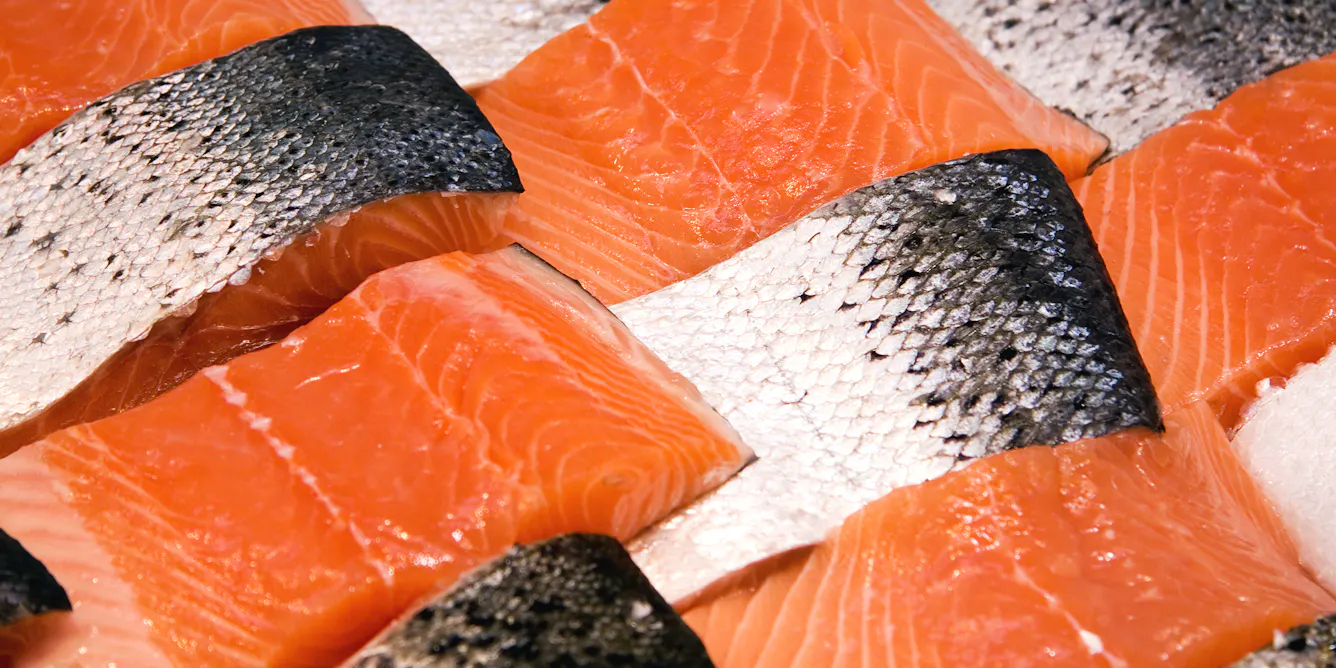
1. Increase Fish Flesh Color
The most common application of astaxanthin in fish food is flesh color. Salmonids, for instance, are asked by consumers to be light pink to reddish-orange in color.
Why Is Color Important?
- Consumer preference: Color is directly related to freshness and quality.
- Market value: Colored fish command a premium price in retail and export markets.
- Regulatory grading: In the majority of nations, the color of the fish influences the grading system employed in export standards.
From studies, dietary level of astaxanthin is linearly related with fish flesh pigmentation intensity. The pigment is deposited in the flesh skin and muscle, particularly in salmon, trout, and char.
2. Serves as a Powerful Antioxidant
Astaxanthin is a pigment, yes, but also a mighty antioxidant, measured at 550 times more effective than vitamin E and 10 times more effective than beta-carotene at extinguishing singlet oxygen.
Advantages for Fish Health:
- Decreases oxidative stress resulting from intensive aquaculture
- Preserves tissue and cells from free radicals
- Promotes immunity and aids in the resistance to infection of fish
Such antioxidant activity enhances overall health, lowers mortality rates, and results in better feed conversion efficiency.
3. Promotes Growth and Feed Efficiency
Although astaxanthin is not an energy or protein source, its beneficial health effects manifest as improved growth and feed intake.
Mechanisms:
- Enhances mitochondrial function
- Stimulates protein synthesis
- Decreases inflammation, with excess energy available to channel into growth
Fish fed astaxanthin-supplemented diets have improved Feed Conversion Ratios (FCRs) and increased efficiency in nutrient uptake.
4. Maintains Reproductive Health
Astaxanthin also maintains reproductive performance in broodstock.
In Male Fish:
- Maintains sperm motility and viability
In Female Fish:
- Improves egg quality and larval survival
- Maintains ovarian development
5. Improves Meat Quality and Shelf Life
Astaxanthin is implicated in better fish meat quality, both in appearance, but also in:
- Texture: Toughter and more resistant flesh texture
- Taste: Cleaner, less "fishy" taste
- Shelf life: Inhibition of lipid oxidation during storage
Antioxidant properties prevent fish muscle unsaturated fatty acids, i.e., omega-3 fatty acids, from becoming unstable and thus less valuable in their nutritional potential for human use.
6. Overcomes Stress and Immunity
Aquaculture-reared fish will be subject to stressors such as:
- Handling and transportation
- High stocking rates
- Water quality changes
Astaxanthin reverses the adverse effect of such stressors by:
- Elevating the expression of heat shock proteins
- Enhancing liver function
- Strengthening immune barriers (e.g., mucosal lining)
Less mortality, fewer outbreaks of disease, and reduced use of antibiotics.
7. Aids Crustaceans and Ornamental Fish Too
The advantages of astaxanthin do not stop with finfish. Astaxanthin supplementing helps shrimp, prawns, and other decorative fish such as koi and goldfish too.
In shrimp and crustaceans:
- Induces exoskeleton formation
- Richens pigmentation and quality for market
- Aids survival rates in molting
- In ornamental fish:
Enhances intense red, orange, and yellow colors
Expands shipping and tank switch stress tolerance

Recommended Dose for Various Species
Below is a brief overview of usual astaxanthin inclusion levels in feed:
| Species | Recommended Dose (mg/kg feed) |
|---|---|
| Salmon, Trout | 50–100 mg/kg |
| Shrimp | 50–150 mg/kg |
| Tilapia | 20–60 mg/kg |
| Ornamental Fish | 30–80 mg/kg |
Note: The quality of the astaxanthin does matter. Natural astaxanthin usually is more bioavailable and stable than synthetic versions, although synthetic versions are usually less expensive.

Natural vs. Synthetic Astaxanthin
| Criteria | Natural (e.g., Haematococcus) | Synthetic |
|---|---|---|
| Source | Algae, yeast | Chemical synthesis |
| Pigment Stability | High | Moderate |
| Antioxidant Power | Strong | Lower |
| Bioavailability | Higher | Lower |
| Cost | Higher | Lower |
Natural astaxanthin is generally utilized in high-end aquaculture and organic agriculture, whereas synthetic astaxanthin is widely utilized in mass-scale industrial production.

Conclusion
Feeding fish with astaxanthin provides multi-faceted benefits:
- Increases color and market value
- Augments antioxidant protection and well-being
- Facilitates growth and reproduction
- Enhances meat quality, shelf life, and palatability
- Aids stress management and immunity
In an open aquaculture market, with sustainability and fish quality at stake, astaxanthin is a premium functional feed ingredient. Whatever your species-salmon, shrimp, or ornamental fish-astaxanthin makes good fish great fish-and profitability, as well.
References
Choubert, G., & Storebakken, T. (1989). Dose-response effects of astaxanthin on flesh pigmentation in rainbow trout. Aquaculture, 81(1-2), 99–106.
Ambati, R. R., et al. (2014). Astaxanthin: Sources, stability, biological activities, and commercial applications-A review. Marine Drugs, 12(1), 128–152.
Hussein, G., et al. (2006). Effect of astaxanthin on growth and performance of tilapia. Aquaculture Nutrition, 12(4), 287–294.
Yoshida, H., et al. (1993). Effect of dietary astaxanthin on reproduction in fish. Fisheries Science, 59(5), 725–730.