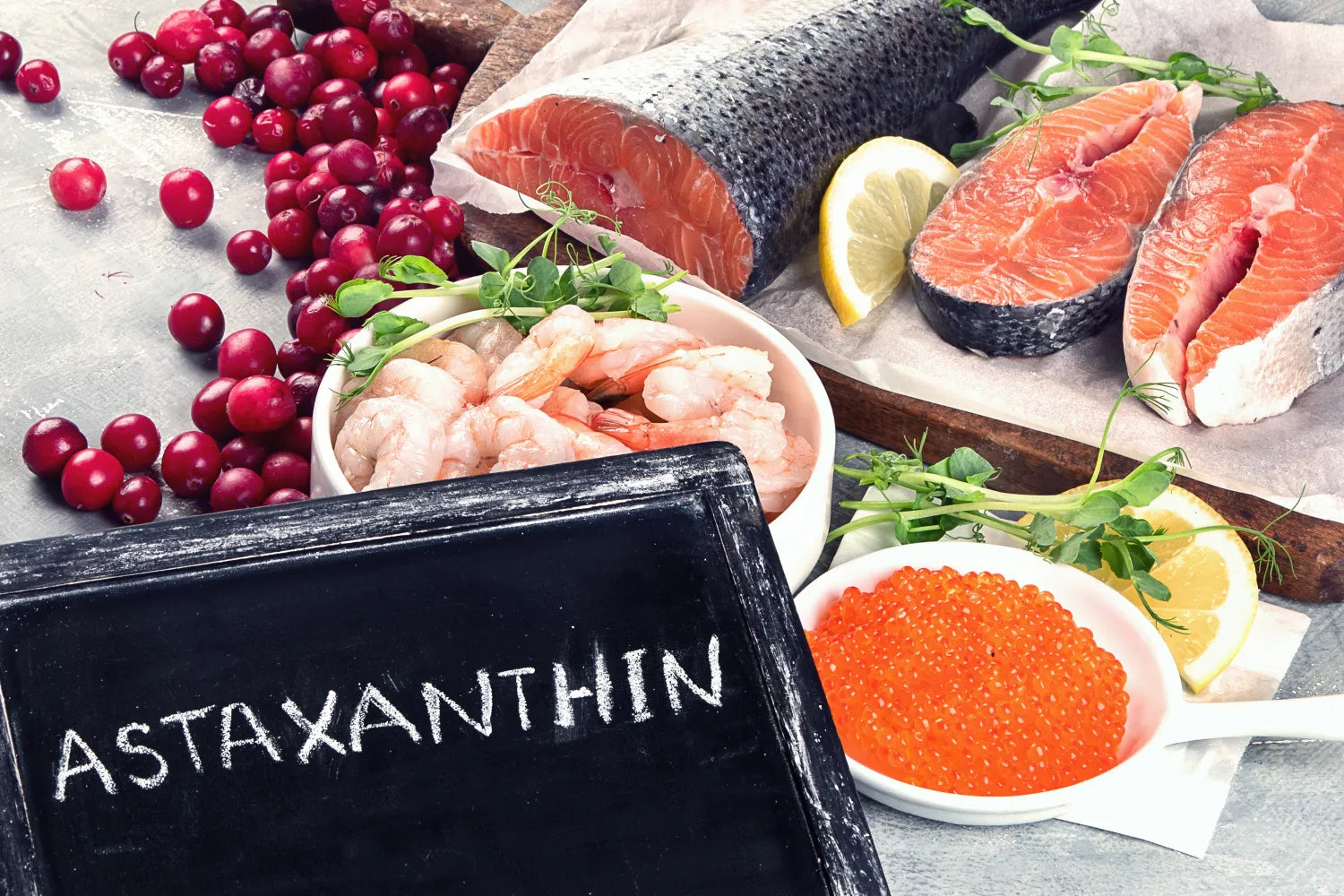
Astaxanthin is a red-orange natural carotenoid pigment and potent antioxidant. Astaxanthin can be found in microalgae, krill, shrimp, and aquatic animals. Astaxanthin not only pigments the flesh of salmonid and trout-but also confers diversified health benefits to aquaculture. Although an emerging requirement for functional and sustainable fishmeal has been noted, astaxanthin is increasingly applied nowadays in aquafeeds to promote fish performance, survival, and product quality.
So how does astaxanthin help fish, exactly? Let's examine some of the science-based advantages that make this compound a key ingredient in modern aquaculture.
Astaxanthin Feed Grade
Feed grade astaxanthin is a high purity carotenoid additive, derived from natural algae, mainly used in aquatic and livestock feed. It not only gives farmed varieties such as fish, shrimp and other bright color, enhance their commodity value, but also as a powerful natural antioxidant, can effectively enhance animal immunity, promote growth, to ensure the health and quality of farmed products.

How Does Astaxanthin Help Fish?
1. Aids Immune Function
One of the best-documented effects of astaxanthin is its effect on the immune system in fish. Aquaculture farm conditions usually expose fish to stress, disease, and poor water quality, so immune system support is crucial.
Astaxanthin triggers:
- The function of phagocytic cells (cells which kill dangerous intruders)
- Lysozyme activity (an enzyme which degrades the cell walls of bacteria)
- Antibody production
Study Insight: Astaxanthin-fed rainbow trout had much more vigorous immune reactions than a control group, a study in Fish & Shellfish Immunology (2011) found.
2. Is a Powerful Antioxidant
Fish, like all animals, produce reactive oxygen species (ROS) during metabolism and with stress. Free radicals can damage tissues, inhibit growth, and degrade health. Astaxanthin is among the most powerful natural antioxidants out there, though-much more so than vitamin E or beta-carotene.
Astaxanthin in fish benefits:
- Protects cell and organ from oxidative damage
- Improves liver function
- Encourages detoxification processes
By protecting fish from oxidative stress, astaxanthin enhances health overall, especially under high-density culture or transport.

3. Suppresses Growth and Feed Efficiency
Astaxanthin has also been discovered to enhance the growth rate and feed conversion ratio (FCR) of many fish species. Although it is not a source of energy like protein or fat, it achieves this by enhancing metabolism and reducing the energy that fish have to use in managing stress or inflammation.
Growth advantages are:
- Enhanced protein retention
- Enhanced weight gain
- Enhanced utilization of nutrients
Example from research: The study on red sea bream (Pagrus major) indicated that supplementation with astaxanthin in the diets resulted in improved weight gain and better FCR, which shows greater utilization of the nutrients from the food.

4. Enhances Flesh Pigmentation and Market Value
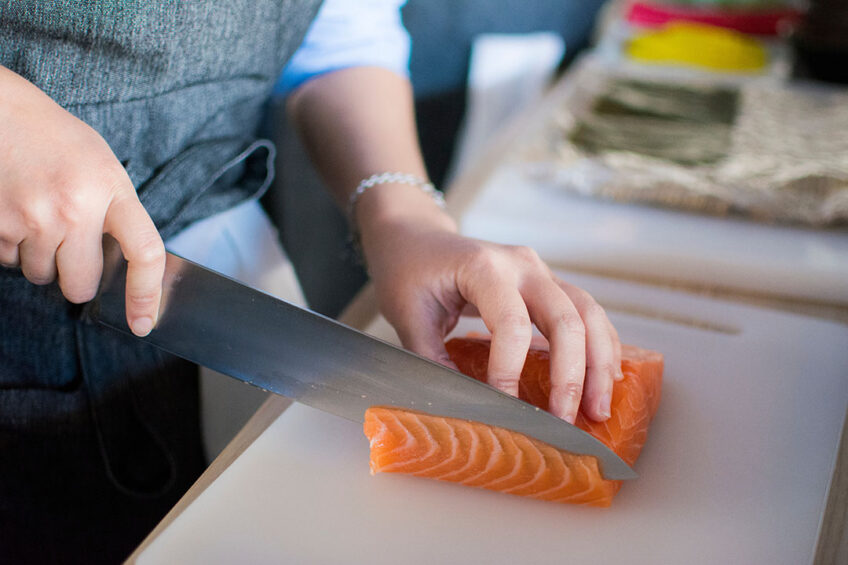
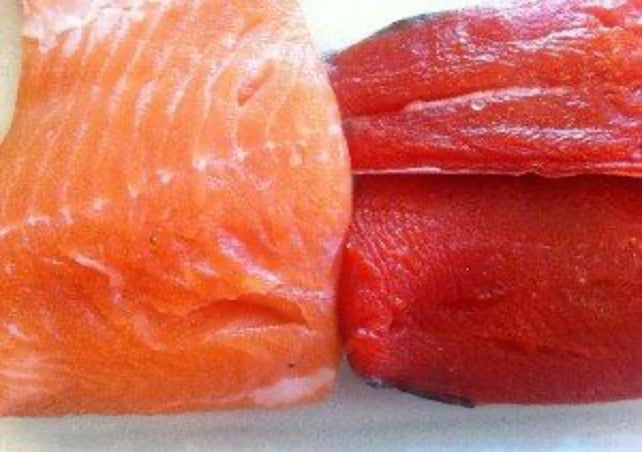
In salmon and trout fish, flesh color is an important quality attribute that consumers associate with wholesomeness and freshness. Astaxanthin naturally occurs in fish muscle, which confers upon it the desirable pink to reddish color.
Applications of astaxanthin in fish feed supplementation:
- Maintains and strengthens flesh coloring
- Increases consumer acceptability and shelf life worth
- Prevents use of artificial pigments
In fish for aquarium hobby (goldfish and koi), astaxanthin improves skin and scale color, making the fish more brilliant and beautiful for the hobbyist.
5. Protects Reproductive Health
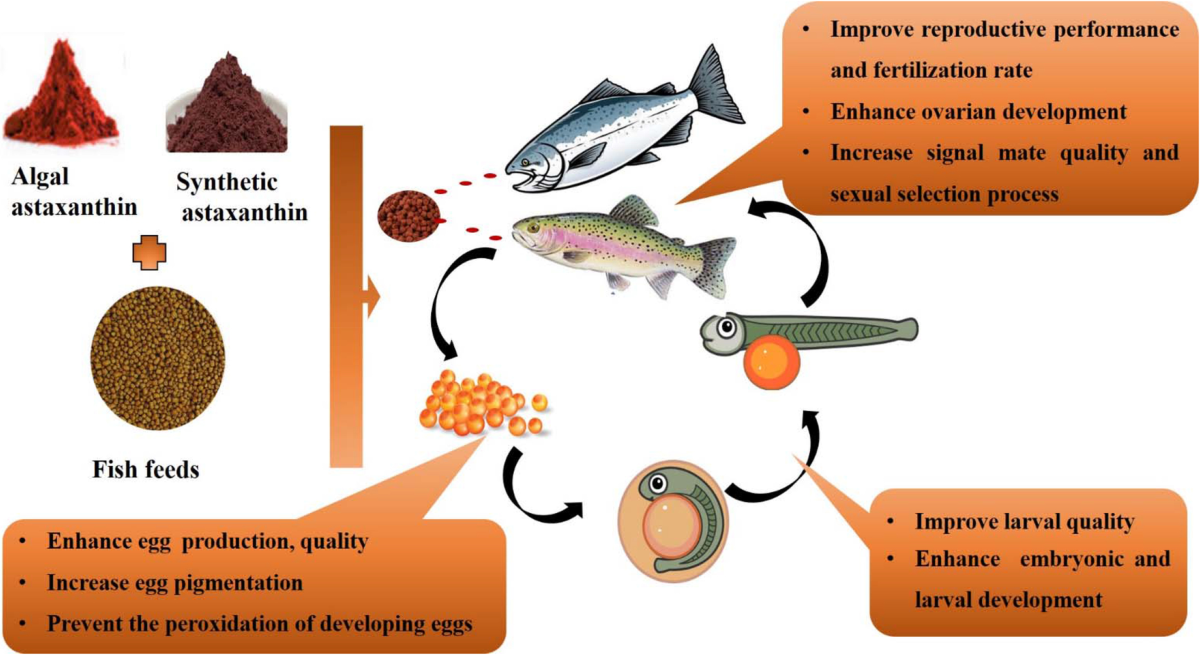
Fish reproduction is highly sensitive to nutritional status and oxidative status. Astaxanthin supports fertility and larval survival through:
- Improved egg quality
- Improved motility of males' sperm
- Improved hatch and fry survival
Of special importance in broodstock culture, reproductive efficiency has direct impact on hatchery efficiency.
Example: Astaxanthin supplementation in tilapia and zebrafish research showed that it results in healthier larvae and healthier offspring.

6. Reduces Stress and Mortality
Aquaculture activities would normally expose fish to stressors like handling, crowding, transport, and temperature stress. These stressors raise cortisol levels and lower immunity.
Astaxanthin defends fish against stress by:
- Decreasing cortisol response
- Stabilizing the cell membrane
- Increasing antioxidant defense during stress
This has the effect of:
- Lowered mortality rates
- Increased recovery from handling
- Increased survival under stressful environmental conditions
7. Keeps Eyes and Vision Healthy
Astaxanthin is deposited in fish retinas and ocular tissue and functions as an antioxidant to guard against oxidative damage and preserve vision. In animals that are extremely vision-dependent for feeding (e.g., trout and aquarium fish), astaxanthin:
- Keeps visual performance
- Guard against eye degeneration due to age
- Keeps enhanced feeding behavior
In hatcheries and artificial light grow-out operations, astaxanthin keeps eye healthy development and enhanced survival.

How to Implement Astaxanthin in Fish Feed
Astaxanthin is typically provided to aquafeed as a stabilized form, which is derived from either:
- Natural microalgae (Haematococcus pluvialis)
- Synthetic production (chemically synthesized)
- Crustacean meal (krill or shrimp)
Doses Recommended:
- Pigmentation: 50–100 mg/kg feed in salmonids
- Health and immunity: 25–50 mg/kg
- Reproduction: 50–75 mg/kg for broodstock
The feed has to be mixed and stored uniformly by fish farmers to maintain astaxanthin effectiveness. Natural astaxanthin is utilized in organic and sustainable aquaculture systems.
Last Thought
Astaxanthin is a colorant, yet also an all-purpose promoter nutrient in fish. From immune system enhancement and growth to stress resistance and reproduction improvement, astaxanthin provides a broad spectrum of advantages in aquaculture.
Its antioxidant potential enables fish to perform well in intensive production systems, while its pigmentation characteristics increase marketability. Salmon aquaculture, tilapia aquaculture, trout aquaculture, or ornamental fish aquaculture-astaxanthin is the smart and natural solution to boost health and performance.
As the aquaculture industry turns its attention to more sustainable and efficient feeds, astaxanthin will be at the forefront of improving fish health and production efficiency.
References
Nakano, T., et al. (1999). Effect of dietary astaxanthin on growth, feed efficiency and serum components in rainbow trout. Fish Science.
Hussein, G., et al. (2006). Antioxidant properties of astaxanthin and its potential role in aquaculture. Marine Drugs.
Amar, E. C., et al. (2004). Dietary supplementation of astaxanthin enhances reproductive performance of red sea bream. Aquaculture Research.
Ambati, R. R., et al. (2014). Astaxanthin: Sources, extraction, stability, biological activities and its commercial applications. Marine Drugs.
Yuan, J. P., Peng, J., Yin, K., Wang, J. H. (2011). Potential health-promoting effects of astaxanthin: A high-value carotenoid primarily from microalgae. Molecular Nutrition & Food Research.