Astaxanthin is one of the most important carotenoid pigments used in salmon aquaculture. It is responsible for much of the characteristic pink-to-red coloration associated with salmon flesh and is widely incorporated into commercial salmon feeds.
Beyond pigmentation, astaxanthin has antioxidant properties and has been studied for potential roles in immune function, stress tolerance, growth performance, and overall fish health. Reviews of aquaculture nutrition identify pigmentation as its most established commercial application, while research continues to investigate its broader physiological benefits.
For salmon producers and aquafeed manufacturers, astaxanthin extract can therefore be an important functional ingredient for producing attractive, nutritionally balanced, and commercially competitive salmon.
What Is Astaxanthin Extract?
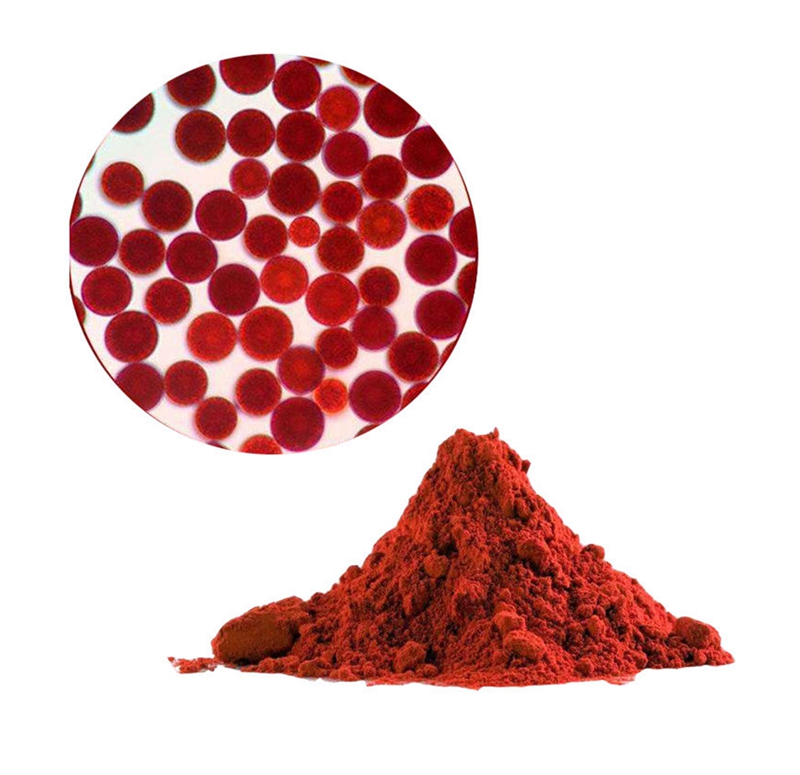
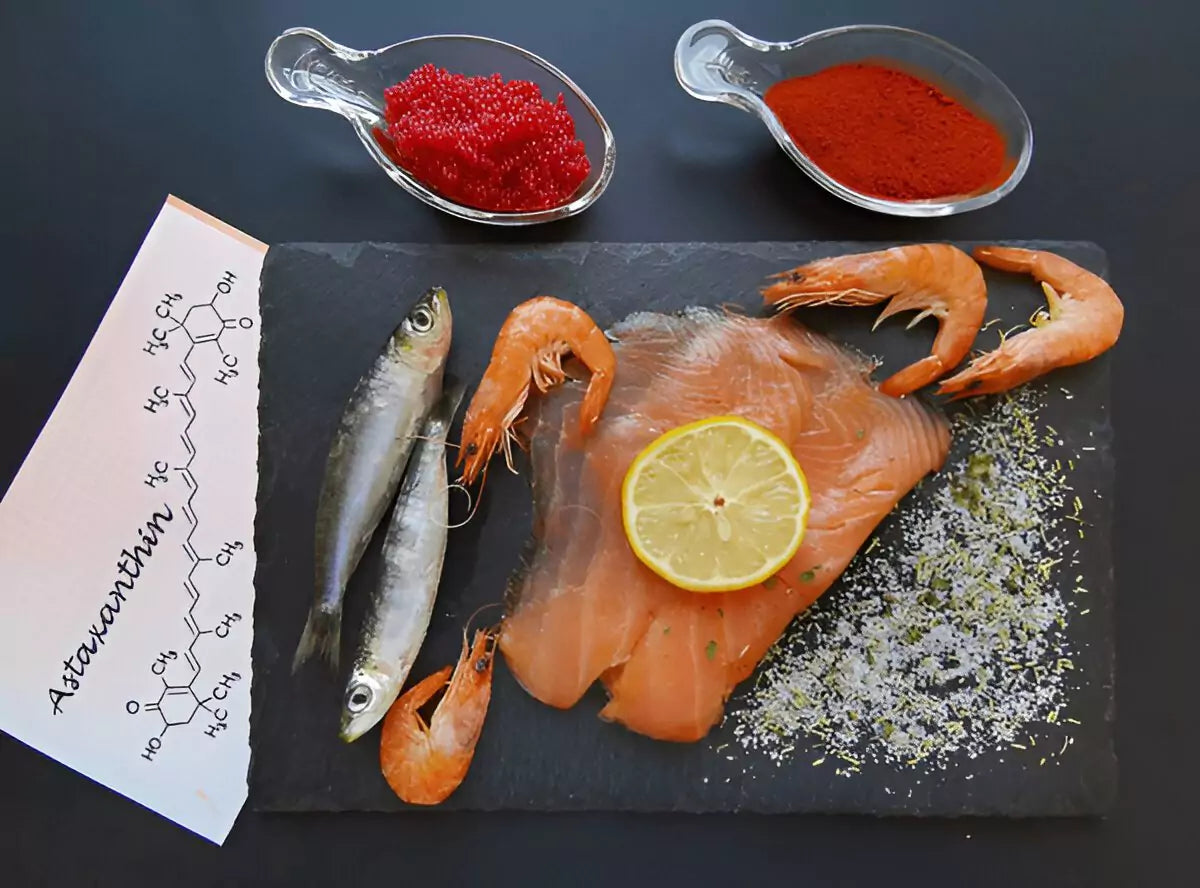
Astaxanthin is a red-orange xanthophyll carotenoid found naturally in various microorganisms and aquatic organisms. Natural sources include the microalga Haematococcus pluvialis and the red yeast Phaffia rhodozyma. Astaxanthin can also be produced synthetically for use in aquaculture feed.
In salmon farming, astaxanthin is primarily supplied through formulated feed. Salmon absorb the pigment and deposit it in their tissues, particularly muscle.
The amount of pigment deposited depends on several factors, including:
- Astaxanthin source
- Dietary concentration
- Feed composition
- Salmon size and life stage
- Feeding duration
- Digestibility
- Environmental conditions
- Pigment stability
Because of these variables, the optimal inclusion level should be established according to the specific feed formulation and production system.
Why Is Astaxanthin Important for Salmon?
Wild salmon obtain carotenoids through their natural diet, including organisms such as crustaceans. Farmed salmon have a different feeding environment, so formulated feeds are used to provide the astaxanthin needed for desired flesh pigmentation.
Astaxanthin is particularly important because salmon do not synthesize it themselves in sufficient quantities. Instead, dietary astaxanthin is absorbed and deposited in tissues.
This makes astaxanthin an important component of commercial salmon nutrition.

Enhances Salmon Flesh Color
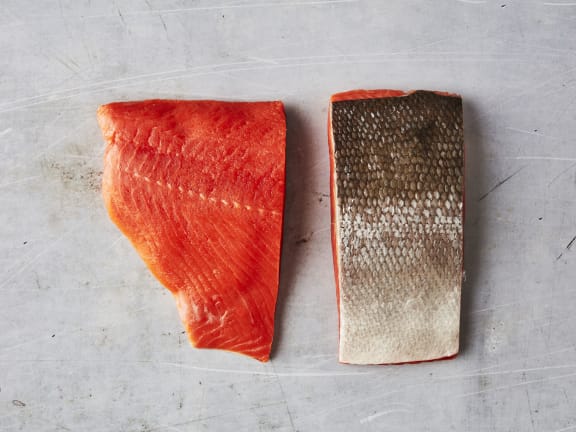
The most important commercial benefit of astaxanthin for salmon is pigmentation.
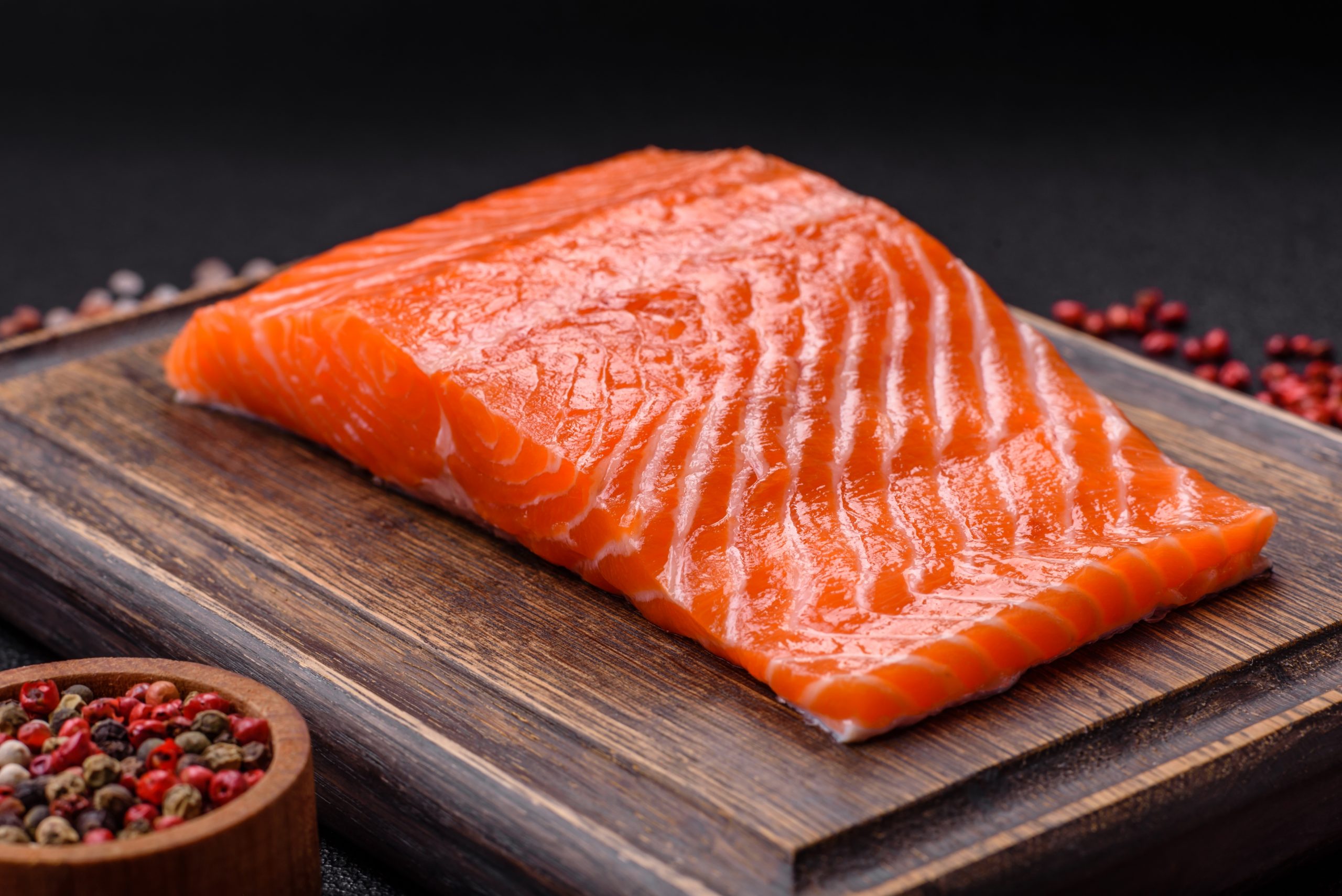
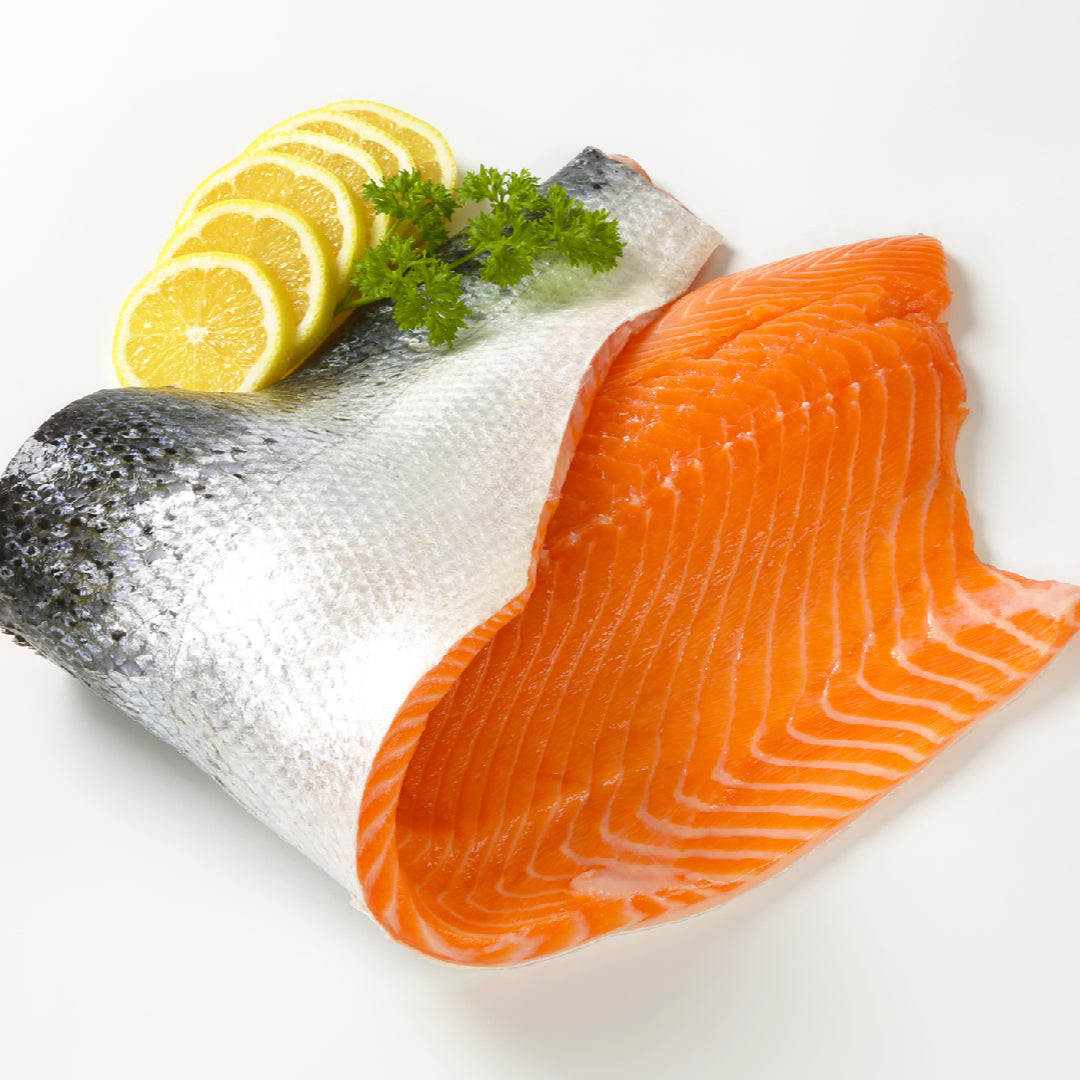
The familiar pink or reddish color of salmon flesh results largely from the deposition of carotenoid pigments.
Commercial salmon diets commonly include astaxanthin or other approved carotenoid pigments to achieve the desired flesh coloration. Research on Atlantic salmon has demonstrated that dietary pigment source and composition influence pigment deposition and flesh color.
For producers, consistent pigmentation can be important because consumers often associate salmon's characteristic color with product quality.
Improves Product Appearance and Market Value
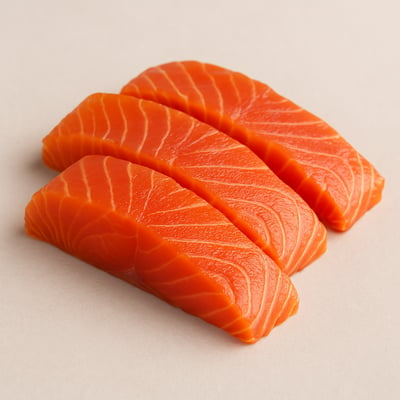
Color is an important quality characteristic in farmed salmon.
A consistent pink-to-red flesh color can improve the visual appeal of salmon products and help meet market specifications.
Research reviews describe pigmentation as one of the most established commercial reasons for including astaxanthin in aquaculture feeds, particularly for salmonids.
For this reason, astaxanthin is not simply a nutritional additive; it also has an important economic role in salmon production.
Provides Antioxidant Properties
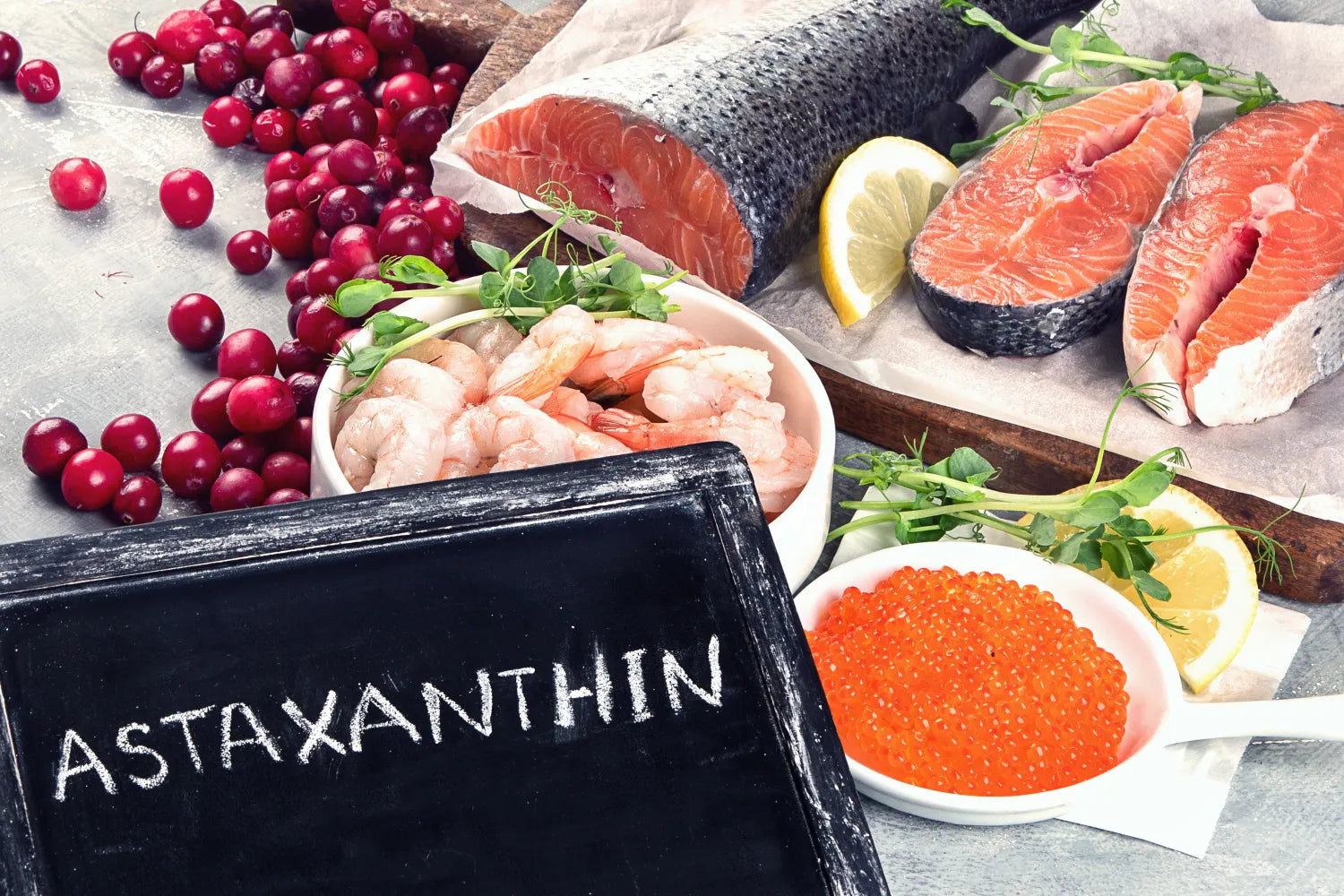
Astaxanthin is a carotenoid with strong antioxidant activity.
Fish naturally experience oxidative processes associated with metabolism, environmental stress, handling, and intensive production conditions. Dietary antioxidants can contribute to the fish's overall antioxidant defense system.
Studies and reviews have associated dietary astaxanthin with improved antioxidant responses in aquatic animals.
However, antioxidant activity should be considered as part of the overall nutritional system rather than as a treatment for disease.
Supports Normal Immune Function
Research has investigated astaxanthin for its potential effects on immune responses in cultured aquatic animals.
Dietary astaxanthin has been associated in various studies with changes in immune-related parameters and improved resistance to some stressors and disease challenges.
For salmon producers, this makes astaxanthin an interesting multifunctional feed ingredient.
Nevertheless, fish health depends on many factors, including:
- Balanced nutrition
- Water quality
- Stocking density
- Biosecurity
- Temperature
- Oxygen availability
- Disease management
Astaxanthin should therefore complement, rather than replace, good aquaculture practices.
May Support Stress Tolerance
Farmed salmon can experience stress during transportation, grading, handling, environmental changes, and other production procedures.
Astaxanthin has been studied for its potential role in improving oxidative resilience and stress responses in aquatic animals. Reviews have reported associations between astaxanthin supplementation and improved stress tolerance under certain experimental conditions.
The actual response can vary according to salmon species, life stage, dose, feed composition, and environmental conditions.
May Support Growth Performance
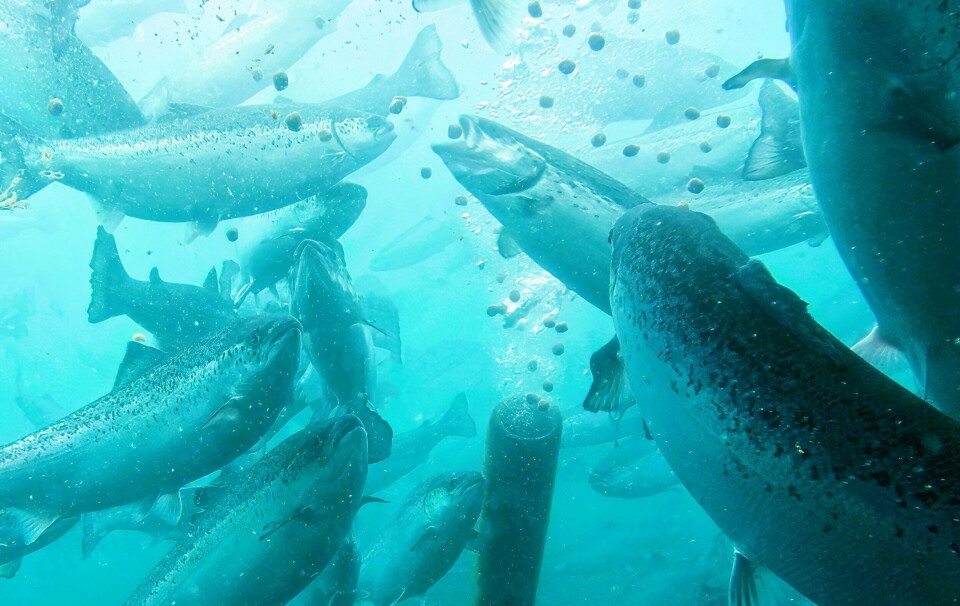
Although pigmentation is the primary commercial application, researchers have also investigated astaxanthin's effects on growth.
A recent meta-analysis covering 64 studies and 33 aquaculture species reported significant improvements in several growth and feed-utilization indicators following dietary astaxanthin supplementation. However, the authors emphasized that responses varied according to species, dosage, developmental stage, source, and environmental conditions.
These findings suggest that astaxanthin may have broader nutritional value, but its effects should not be assumed to be identical in every salmon production system.
Supports Feed Quality and Nutritional Formulation
Astaxanthin can be incorporated into formulated salmon feeds alongside:
- Fish meal
- Plant proteins
- Fish oil
- Vegetable oils
- Vitamins
- Minerals
- Other carotenoids
- Functional feed additives
Because carotenoids are sensitive to environmental conditions, feed manufacturers need to consider stability during processing and storage.
Proper formulation can help maintain the desired astaxanthin concentration throughout the feed's shelf life.

Natural Astaxanthin vs. Synthetic Astaxanthin
Astaxanthin used in aquaculture can come from natural or synthetic sources.
Natural astaxanthin may be obtained from sources such as Haematococcus pluvialis or red yeast, while synthetic astaxanthin is manufactured for commercial feed applications.
| Feature | Natural Astaxanthin | Synthetic Astaxanthin |
|---|---|---|
| Source | Microalgae or microorganisms | Controlled chemical production |
| Feed application | Yes, depending on regulations | Widely used |
| Pigmentation | Effective carotenoid source | Effective carotenoid source |
| Marketing | Suitable for natural-source positioning | Cost-efficient feed applications |
| Consistency | Depends on extraction and processing | Highly standardized |
| Cost | Generally higher | Often more economical |
The best choice depends on feed specifications, target market, regulatory requirements, and production economics.

Astaxanthin Extract for Salmon Feed
Astaxanthin extract can be incorporated into salmon feed during feed manufacturing.
A typical formulation process may involve:
- Selecting a standardized astaxanthin ingredient.
- Determining the required carotenoid concentration.
- Preparing a premix.
- Blending the premix uniformly with other feed ingredients.
- Processing the feed under suitable conditions.
- Protecting the finished feed from excessive light, oxygen, heat, and moisture.
- Testing the final product for astaxanthin retention.
Uniform distribution is important because uneven pigment concentrations can result in inconsistent pigmentation among fish.
Astaxanthin Stability in Salmon Feed
Astaxanthin is sensitive to oxidation and can degrade under unfavorable conditions.
Feed manufacturers should therefore consider:
- Heat exposure
- Oxygen
- Light
- Moisture
- Storage duration
- Packaging
- Processing conditions
The stability of the specific astaxanthin preparation should be evaluated rather than assuming that all products have identical stability.
Protective carriers, encapsulation technologies, antioxidants, and appropriate packaging may help maintain carotenoid quality.

Astaxanthin and Salmon Flesh Deposition
After salmon consume astaxanthin-containing feed, the pigment is absorbed and transported through the body.
Some of the absorbed carotenoid is deposited in muscle tissue, contributing to the characteristic flesh color.
The efficiency of deposition is influenced by the fish's developmental stage, dietary composition, pigment source, feeding duration, and other factors.
Research on Atlantic salmon has shown that different dietary carotenoid sources can result in different levels of pigment deposition in muscle.
Therefore, feed manufacturers should evaluate the actual deposition performance of their chosen astaxanthin product.

Applications of Astaxanthin Extract in Salmon Farming
Astaxanthin extract has several potential applications in the salmon industry.
Commercial Salmon Feed
The primary application is pigmentation of farmed salmon.
Premium Salmon Nutrition
Astaxanthin can be included in functional feeds designed to provide antioxidant and nutritional support.
Broodstock Feed
Carotenoids have also been investigated in relation to reproduction and egg quality in aquatic species.
Stress-Management Nutrition
Astaxanthin may be incorporated into feeds used during production periods associated with environmental or handling stress.
Functional Aquafeeds
It can be combined with other functional ingredients to create specialized salmon feeds.

How Much Astaxanthin Does Salmon Feed Need?
There is no single universal inclusion rate that applies to every salmon feed.
The appropriate concentration depends on:
- Salmon species
- Fish size
- Production stage
- Desired flesh color
- Astaxanthin source
- Feed composition
- Feeding duration
- Processing conditions
- Regulatory requirements
Commercial feed manufacturers should determine inclusion rates through formulation calculations and feeding trials.
More astaxanthin does not necessarily mean proportionally better pigmentation. The goal is to establish an effective concentration that provides consistent pigmentation while maintaining economic efficiency.
Factors Affecting Astaxanthin Pigmentation
Several factors influence how effectively salmon deposit astaxanthin.
Fish Size
Pigment retention and deposition can change as fish grow.
Feeding Period
Longer exposure to astaxanthin-containing feed generally provides more opportunity for tissue deposition, although deposition is not unlimited.
Feed Composition
Dietary lipids and other nutrients can influence carotenoid absorption and utilization.
Pigment Source
Different astaxanthin sources and formulations can have different bioavailability and stability.
Processing
Feed manufacturing conditions can affect pigment retention.
Genetics
Different salmon populations and species may vary in pigment deposition efficiency.
Quality Specifications for Astaxanthin Extract
For commercial aquafeed manufacturers, product quality is essential.
Important specifications may include:
- Astaxanthin concentration
- Natural or synthetic source
- Isomer profile
- Carrier material
- Moisture
- Particle size
- Stability
- Heavy metals
- Microbiological quality
- Residual solvents where applicable
- Shelf life
A reliable supplier should provide a Certificate of Analysis (COA) for each production batch.

Benefits of Astaxanthin Extract for Salmon at a Glance
| Benefit | Importance in Salmon Farming |
|---|---|
| Flesh pigmentation | Very high |
| Product appearance | Very high |
| Antioxidant support | Potential nutritional benefit |
| Immune support | Potential benefit |
| Stress tolerance | Potential benefit |
| Growth performance | Potential benefit |
| Feed formulation | Functional carotenoid ingredient |
| Commercial value | Strongly associated with pigmentation |
The evidence for these benefits varies by species, dosage, formulation, and production conditions.

Sustainable Aquaculture Applications
As aquaculture production expands, feed manufacturers are increasingly interested in ingredients that can support fish health and product quality while maintaining production efficiency.
Astaxanthin is attractive because one ingredient can serve both a technological and nutritional function.
Its established pigmentation role can help producers achieve desired salmon flesh coloration, while its antioxidant properties provide additional nutritional interest.
Research continues to examine how natural astaxanthin sources and improved delivery systems can increase the efficiency and sustainability of aquaculture feed formulations.
Conclusion
Astaxanthin Extract for Salmon is an important functional ingredient in modern aquaculture nutrition. Its most established application is enhancing the characteristic pink-red pigmentation of salmon flesh, which can significantly influence product appearance, consumer acceptance, and commercial value.
Beyond pigmentation, astaxanthin has antioxidant properties and has been studied for potential benefits related to immune function, stress tolerance, growth, survival, and feed utilization. Recent research suggests that these effects can be positive in aquaculture, although outcomes vary according to species, dose, life stage, feed composition, and environmental conditions.
For salmon-feed manufacturers, selecting a high-quality astaxanthin extract with consistent potency and good stability is essential. Proper formulation, processing, storage, and feeding strategies can help maximize pigment retention and deposition.
When used as part of a balanced aquafeed program, astaxanthin can provide a combination of flesh pigmentation, antioxidant support, and functional nutritional value, making it one of the most important carotenoid ingredients in salmon aquaculture.
References
Lim, K. C., Yusoff, F. M., Shariff, M., & Kamarudin, M. S. (2018). Astaxanthin as feed supplement in aquatic animals. Reviews in Aquaculture.
Elbahnaswy, S., & Elshopakey, G. E. (2023/2024). Recent progress in practical applications of a potential carotenoid astaxanthin in aquaculture industry: A review. Fish Physiology and Biochemistry, 50, 97–126.
Buttle, L. G., Crampton, V. O., & Williams, P. D. (2001). The effect of feed pigment type on flesh pigment deposition and colour in farmed Atlantic salmon, Salmo salar L. Aquaculture Research, 32, 103–111.
Astaxanthin use as carotenoid source and its benefits in feeds. Feed and Feeding Practices in Aquaculture, 2nd Edition, 2022.
Effectiveness of Astaxanthin as a Feed Supplement to Improve Growth Performance and Feed Utilization in Aquaculture Animals: A Meta-Analysis. Antioxidants, 14(5), 609, 2025.
Biological function of astaxanthin and its application in aquatic animal feeding. 2025 review of astaxanthin applications in aquatic-animal nutrition.
FAQ
A1: Astaxanthin Extract is primarily used in salmon feed to provide the carotenoid pigment responsible for the characteristic pink-to-red color of salmon flesh. It is also studied for its antioxidant properties and potential nutritional benefits.
A2: Farmed salmon receive astaxanthin mainly through formulated feed. Salmon absorb the pigment and deposit it in tissues, particularly muscle, making it an important component of commercial salmon nutrition.
Q3: What are the main benefits of Astaxanthin Extract for salmon?
A3: The primary benefit is supporting salmon flesh pigmentation and product appearance. Astaxanthin also has antioxidant properties and has been investigated for potential roles in immune function, stress tolerance, growth performance, and feed utilization.
Q4: Is Astaxanthin available in natural and synthetic forms?
A4: Yes. Natural astaxanthin can come from sources such as Haematococcus pluvialis microalgae and red yeast, while synthetic astaxanthin is produced through controlled commercial manufacturing processes.
Q5: How is Astaxanthin added to salmon feed?
A5: Astaxanthin can be incorporated into salmon feed by selecting a standardized ingredient, preparing a premix, blending it uniformly with other feed ingredients, and processing the feed under suitable conditions. Finished feed should be protected from excessive heat, light, oxygen, and moisture.
Q6: How much Astaxanthin does salmon feed need?
A6: There is no single universal inclusion rate. The appropriate concentration depends on salmon species, fish size, production stage, desired flesh color, astaxanthin source, feed composition, feeding duration, processing conditions, and regulatory requirements.
Q7: What factors affect Astaxanthin pigmentation in salmon?
A7: Pigmentation can be affected by fish size, feeding period, feed composition, pigment source, processing conditions, and genetics. These factors can influence astaxanthin absorption, retention, and deposition in muscle tissue.
Q8: Is Astaxanthin stable in salmon feed?
A8: Astaxanthin is sensitive to oxidation and can degrade under unfavorable conditions. Heat, oxygen, light, moisture, storage duration, packaging, and processing conditions should therefore be carefully controlled.
Q9: What quality specifications should I check when buying Astaxanthin Extract?
A9: Important specifications may include astaxanthin concentration, natural or synthetic source, isomer profile, carrier material, moisture, particle size, stability, heavy metals, microbiological quality, residual solvents where applicable, and shelf life. A reliable supplier should provide a Certificate of Analysis (COA) for each production batch.
Q10: Can Astaxanthin Extract support salmon health and stress tolerance?
A10: Astaxanthin has antioxidant properties and has been studied for potential effects on immune responses and stress tolerance. However, results can vary depending on species, dosage, life stage, feed composition, and environmental conditions. It should complement, not replace, proper aquaculture management.