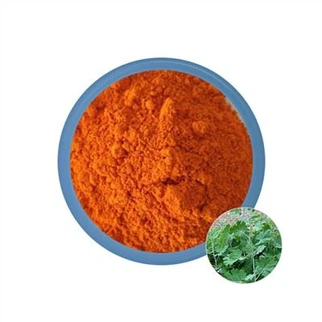
Astaxanthin is one of the most important carotenoid ingredients used in modern aquaculture, particularly in salmon feed. It is best known for providing the characteristic pink-to-red color of salmon flesh, but its role in fish nutrition extends beyond pigmentation. Astaxanthin has antioxidant properties and has been studied for its potential contribution to immune function, stress response, growth performance, and overall fish health.
For salmon farmers and aquafeed manufacturers, a high-quality Premium Astaxanthin Extract can provide a standardized source of carotenoid pigment for formulated feeds. Proper selection, formulation, processing, and storage are important for achieving consistent pigmentation and maintaining product quality.
What Is Astaxanthin Extract?
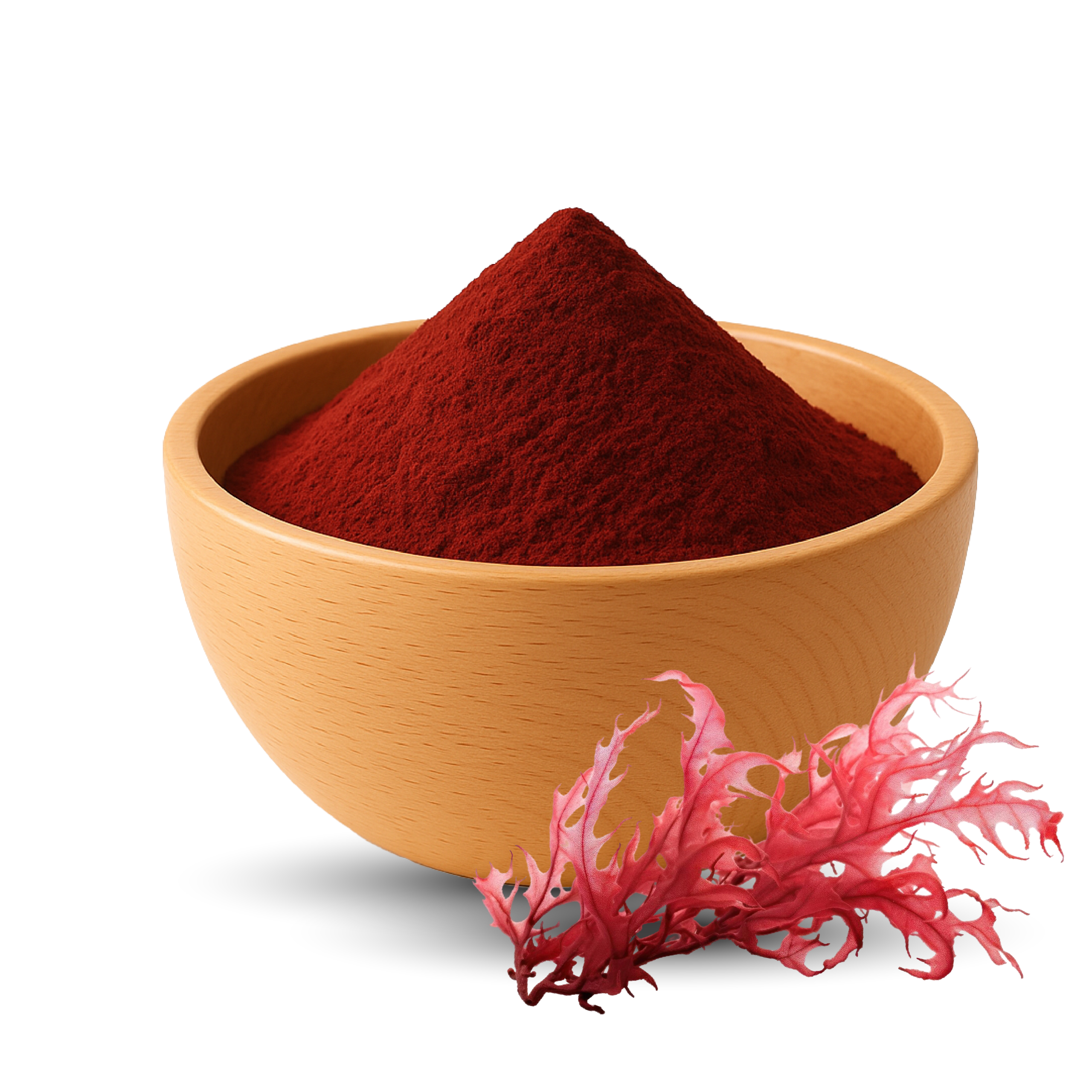
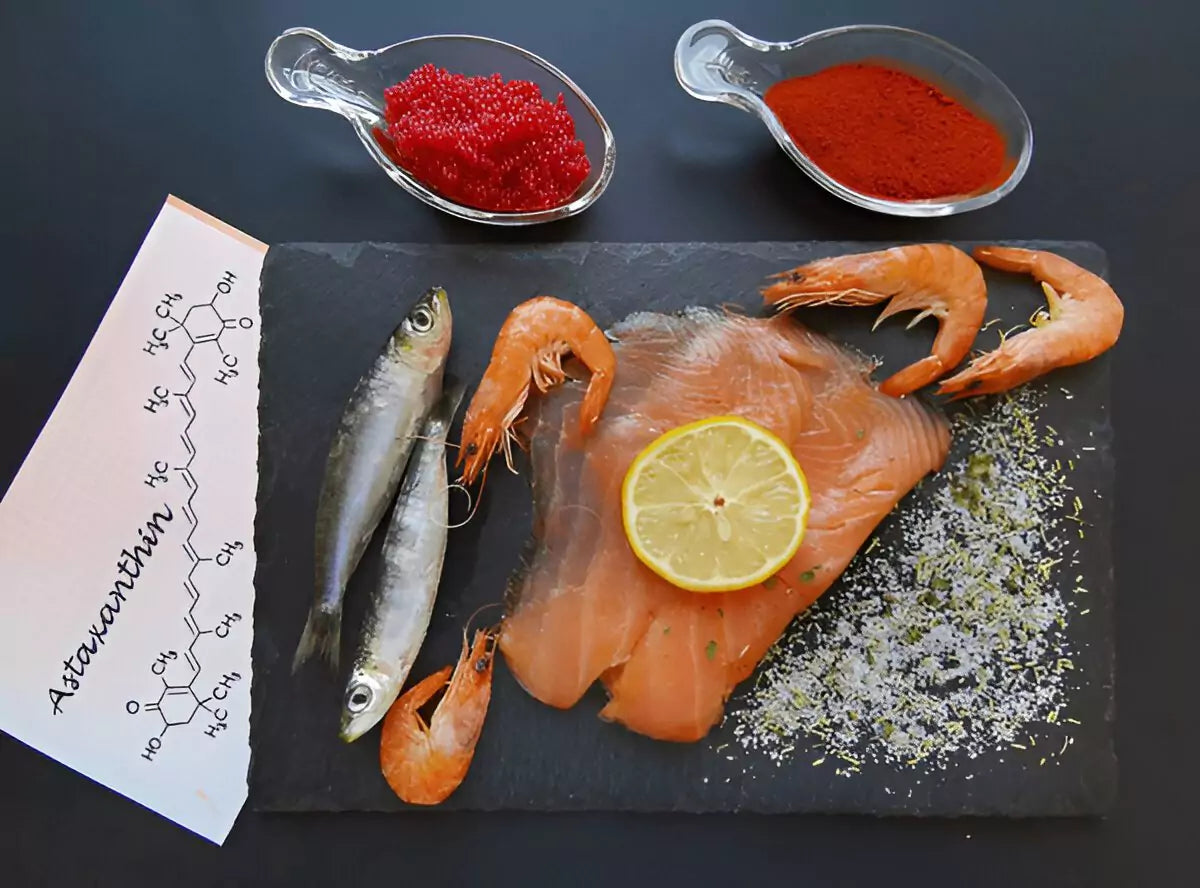
Astaxanthin is a red-orange xanthophyll carotenoid found naturally in various aquatic organisms and microorganisms. Natural sources include the microalga Haematococcus pluvialis and the yeast Phaffia rhodozyma. Commercial astaxanthin is also available from synthetic production.
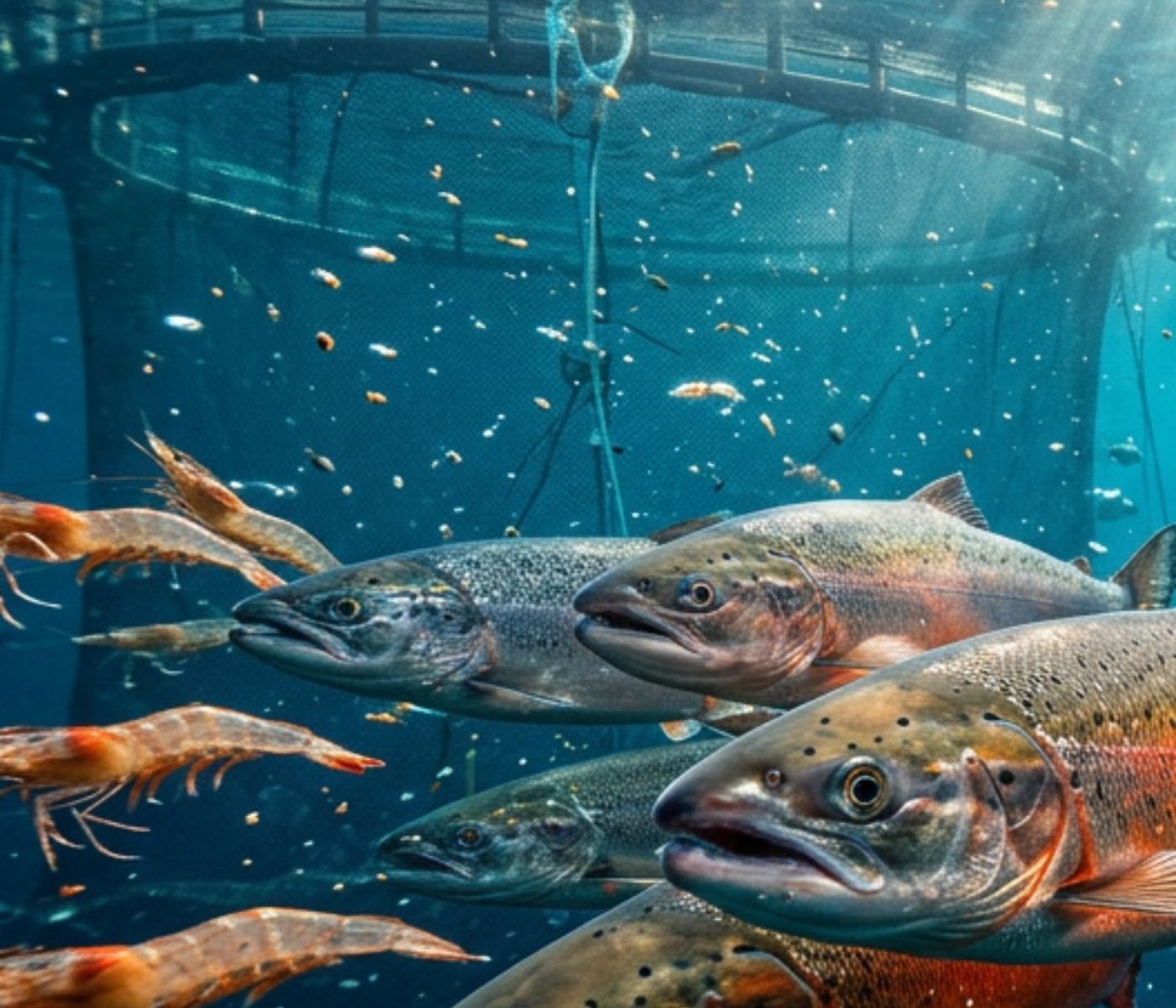
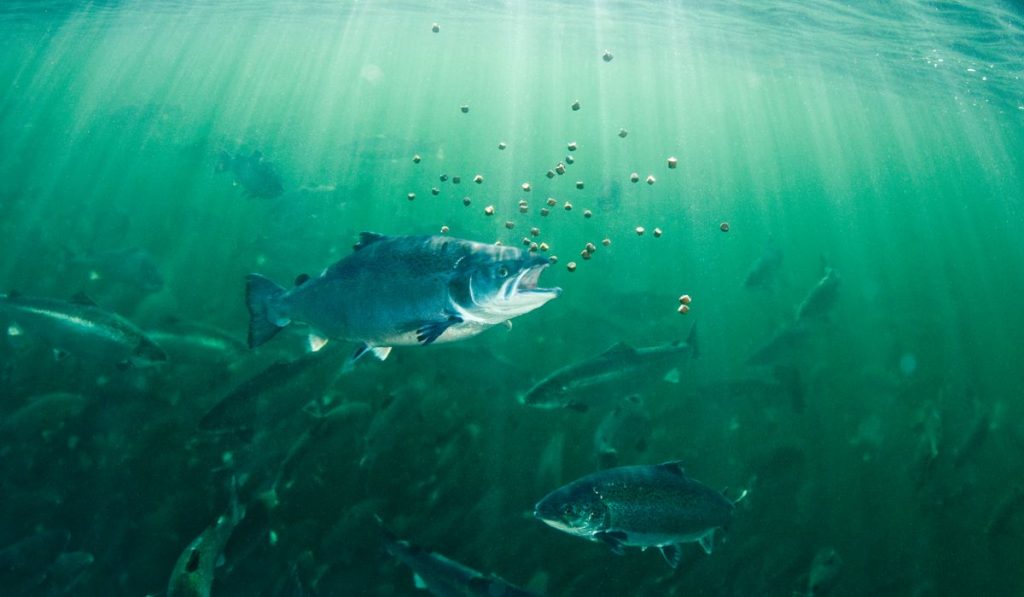
In salmon aquaculture, astaxanthin is supplied through feed because farmed salmon depend on formulated diets to obtain the carotenoids needed for tissue pigmentation.
After consumption, astaxanthin is absorbed through the digestive system and transported within the fish. A portion is deposited in muscle tissue, contributing to the characteristic salmon flesh color.
The performance of an astaxanthin ingredient can depend on its:
- Active astaxanthin concentration
- Source
- Purity
- Stability
- Bioavailability
- Feed formulation
- Processing conditions
- Storage conditions
A standardized extract can therefore be valuable for commercial feed manufacturers that require consistent pigment delivery.
Why Is Astaxanthin Important for Salmon?
Wild salmon obtain carotenoids naturally from their diet, including crustaceans and other aquatic organisms. Farmed salmon have a controlled feeding environment and therefore receive carotenoids through formulated feed.
Astaxanthin is widely used because it provides an effective dietary source of pigment.
Its most established commercial function is flesh pigmentation. Research on salmonids has demonstrated that dietary carotenoid supplementation can influence muscle pigmentation and the resulting color of the finished fish.
For commercial salmon production, consistent pigmentation can be important because flesh color contributes significantly to product appearance and consumer expectations.

Benefits of Premium Astaxanthin Extract for Salmon
1. Enhances Salmon Flesh Pigmentation
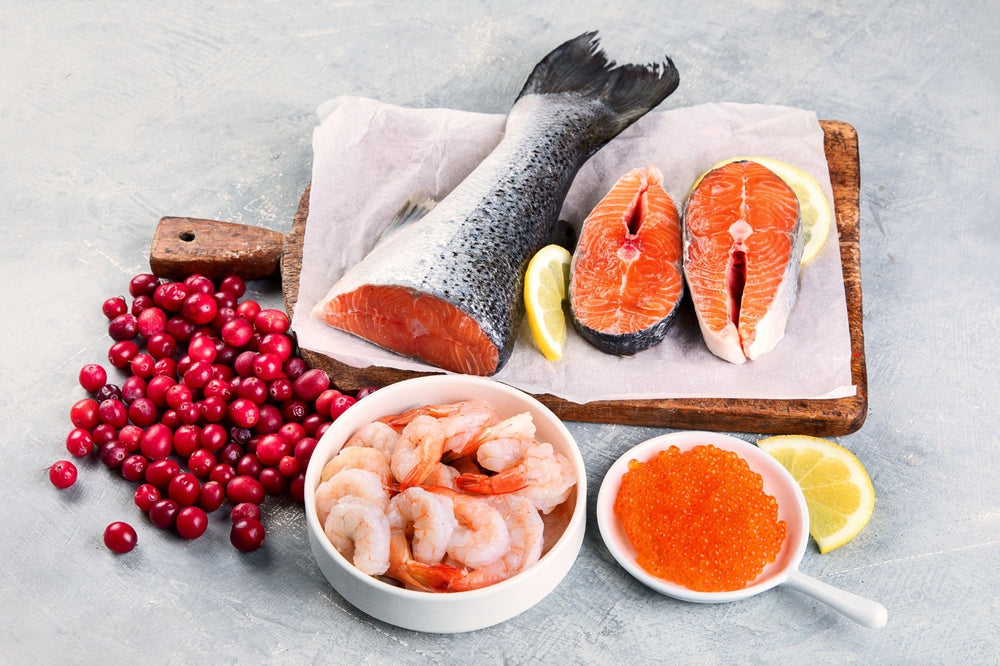
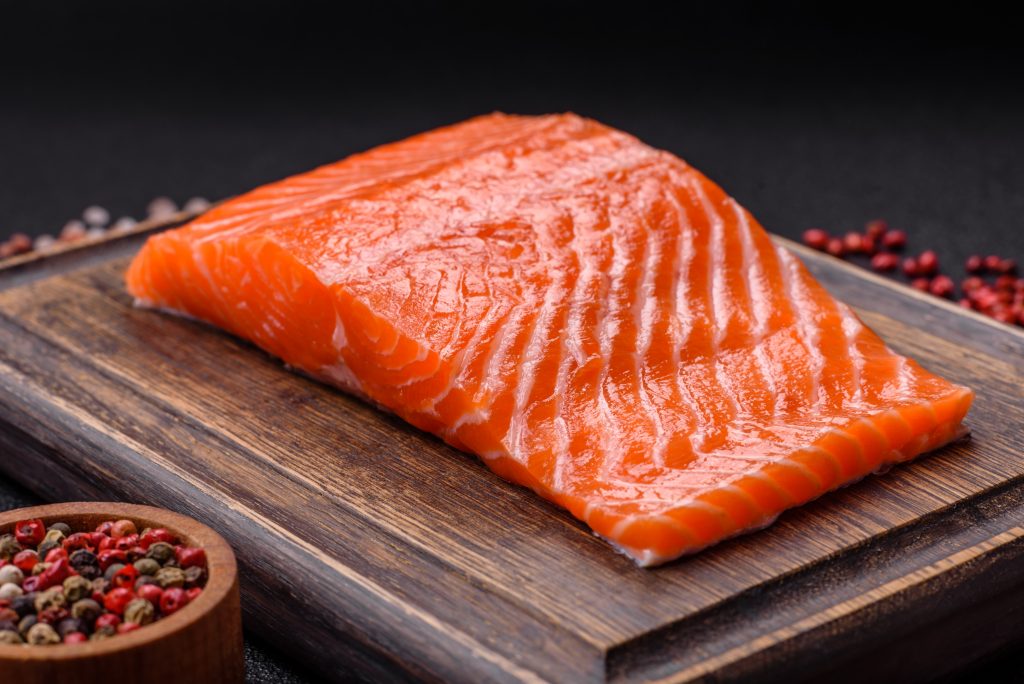
The primary reason astaxanthin is included in salmon feed is to produce the desired pink-to-red flesh color.
When salmon consume an astaxanthin-containing diet, the carotenoid is absorbed and deposited in tissues, including muscle.
The resulting pigmentation is one of the defining visual characteristics of farmed salmon.
Research has shown that the type and amount of dietary carotenoid can influence pigment deposition and flesh color in Atlantic salmon.
A consistent astaxanthin supply can therefore help feed manufacturers develop diets that provide predictable pigmentation.
2. Improves Product Appearance
The appearance of salmon is commercially important.
Consumers commonly associate the characteristic pink-red flesh of salmon with the product they expect to purchase. Processors and retailers may also have specific color expectations.
Using astaxanthin in feed can help producers achieve more consistent pigmentation across production batches.
This makes astaxanthin both a nutritional ingredient and an important commercial feed additive.
3. Provides Antioxidant Support
Astaxanthin has antioxidant properties that have attracted considerable interest in fish nutrition.
Fish naturally produce reactive oxygen species during metabolism. Environmental challenges, handling, transportation, intensive production, and other stressors can also affect oxidative balance.
Dietary astaxanthin has been investigated for its potential effects on antioxidant defenses in aquatic animals. Reviews have reported positive effects under certain dietary and experimental conditions.
However, astaxanthin should be considered part of a complete nutritional strategy rather than a substitute for proper fish-health management.
4. May Support Immune Function
Research has also examined the potential relationship between astaxanthin supplementation and immune response.
Some studies have reported changes in immune-related indicators and improved responses to certain environmental or biological challenges.
These findings suggest that astaxanthin may have functional nutritional value beyond pigmentation. However, the magnitude of the effect depends on species, dosage, feeding period, environmental conditions, and overall diet.
Healthy salmon production still requires:
- Good water quality
- Adequate oxygen
- Balanced nutrition
- Proper stocking density
- Biosecurity
- Disease prevention
- Appropriate farm management
5. May Help Fish Cope With Stress
Salmon may encounter stress during transportation, handling, grading, vaccination, changes in water temperature, and other production procedures.
Because of its antioxidant properties, astaxanthin has been studied for its potential role in helping fish maintain physiological balance during stressful conditions.
Research suggests that dietary astaxanthin may influence stress-related and antioxidant responses in some aquatic species.
Nevertheless, results vary between studies, so manufacturers should evaluate astaxanthin according to the intended production system.
6. Potential Growth and Feed-Utilization Benefits
Astaxanthin is not primarily a growth promoter, but researchers have investigated its potential influence on growth and feed utilization.
A 2025 meta-analysis of aquaculture studies found associations between astaxanthin supplementation and improvements in several growth and feed-utilization indicators. However, the response varied according to species, dosage, developmental stage, astaxanthin source, and environmental conditions.
This indicates that astaxanthin may contribute to broader nutritional performance, but these benefits should not be guaranteed for every salmon formulation.

Applications of Astaxanthin Extract in Aquaculture
Salmon Feed
The primary application is commercial salmon feed.
Astaxanthin can be incorporated into diets formulated for different stages of salmon production. The amount required depends on the target pigmentation, fish size, feed composition, and product specifications.
Grow-Out Diets
During the grow-out stage, salmon consume significant quantities of feed and accumulate carotenoid pigments in their tissues.
Astaxanthin supplementation can help achieve the desired pigmentation before harvest.
Premium Aquafeed
Premium salmon feeds may combine astaxanthin with other functional ingredients such as:
- Omega-3 fatty acids
- Vitamins
- Minerals
- Natural antioxidants
- Functional proteins
- Other carotenoids
This approach allows manufacturers to create feeds focused on both fish nutrition and product quality.
Broodstock Nutrition
Carotenoids have also been studied for their potential role in broodstock nutrition, reproduction, egg quality, and early development in aquatic species.
The effects depend on species and dietary formulation, so broodstock applications should be supported by suitable research and feeding trials.
Natural vs. Synthetic Astaxanthin
Commercial astaxanthin can be obtained from natural or synthetic sources.
Natural astaxanthin is commonly associated with sources such as Haematococcus pluvialis microalgae, while synthetic astaxanthin is produced through controlled manufacturing processes.
| Characteristic | Natural Astaxanthin | Synthetic Astaxanthin |
|---|---|---|
| Source | Microalgae or microorganisms | Manufactured |
| Pigmentation | Effective | Effective |
| Standardization | Product-dependent | Generally consistent |
| Natural positioning | Strong | Limited |
| Commercial availability | Growing | Widely available |
| Cost | Generally higher | Often more economical |
The appropriate choice depends on the manufacturer's target market, feed requirements, regulatory environment, formulation goals, and cost considerations.
Astaxanthin Stability in Salmon Feed
Stability is an important factor when selecting astaxanthin.
Like other carotenoids, astaxanthin can be affected by environmental conditions such as:
- Heat
- Oxygen
- Light
- Moisture
- Processing
- Long-term storage
Losses during feed production or storage can reduce the amount of pigment available to the fish.
Manufacturers should therefore evaluate stability during:
- Ingredient storage
- Premix preparation
- Feed mixing
- Thermal processing
- Drying
- Packaging
- Warehouse storage
Appropriate packaging, protective carriers, encapsulation, and antioxidant systems may help maintain carotenoid stability.
How to Choose Premium Astaxanthin Extract
Aquafeed manufacturers should evaluate several quality specifications before purchasing astaxanthin.
Astaxanthin Concentration
The active concentration should be clearly stated and supported by quality-control testing.
Source
Identify whether the ingredient is natural, synthetic, algal-derived, yeast-derived, or another commercial preparation.
Purity
The product should meet appropriate quality and contaminant requirements.
Stability
Stability information is important for feed processing and storage.
Carrier System
Some products use carriers to improve handling, dispersion, and stability.
Certificate of Analysis
A reliable supplier should provide a Certificate of Analysis, which may include:
- Astaxanthin assay
- Moisture
- Heavy metals
- Microbiological specifications
- Carrier information
- Particle size
- Shelf life
How Is Astaxanthin Added to Salmon Feed?
The exact inclusion rate should be determined by the feed manufacturer based on the product concentration and nutritional objectives.
A general process includes:
1. Select a standardized astaxanthin ingredient.
Choose an ingredient with appropriate potency and stability.
2. Prepare a premix.
A premix can help distribute the pigment uniformly.
3. Blend into the feed.
The premix is incorporated with other feed ingredients.
4. Process the feed carefully.
Manufacturing conditions should be controlled to minimize unnecessary carotenoid losses.
5. Test the finished feed.
Quality testing can verify pigment concentration.
6. Store correctly.
Protect the finished feed from excessive heat, light, oxygen, and moisture.
Factors Affecting Astaxanthin Deposition
The amount of astaxanthin deposited into salmon muscle depends on several factors.
Fish Size and Life Stage
Pigment utilization can change as salmon grow.
Feeding Duration
The duration of exposure to astaxanthin-containing feed affects total pigment accumulation.
Feed Composition
Dietary fat and other nutritional components can influence carotenoid absorption.
Astaxanthin Source
Different sources and formulations may have different bioavailability and stability characteristics.
Environmental Conditions
Temperature, water quality, oxygen, and fish health can influence feed intake and nutrient utilization.
Astaxanthin Dosage for Salmon Feed
There is no single universal dosage for all salmon-feed formulations.
The appropriate inclusion level depends on:
- Salmon species
- Fish size
- Production stage
- Desired flesh color
- Astaxanthin concentration
- Feed formulation
- Feeding duration
- Processing method
- Regulatory requirements
Commercial manufacturers should establish the appropriate level through formulation calculations and feeding trials.
Increasing the dose does not necessarily result in proportionally better pigmentation. The objective is to achieve the required color efficiently while maintaining feed quality and production economics.
Why Premium Quality Matters
For commercial aquaculture, consistency is critical.
A premium astaxanthin extract should provide reliable active concentration from batch to batch. Consistency helps manufacturers formulate feeds accurately and reduces variation in final pigmentation.
Quality also matters because astaxanthin can be sensitive to processing and storage conditions.
A well-designed ingredient should therefore combine:
- Standardized potency
- Good stability
- Reliable purity
- Appropriate particle characteristics
- Consistent manufacturing
- Complete quality documentation
These factors can make a significant difference when astaxanthin is used in large-scale salmon-feed production.
Conclusion
Premium Astaxanthin Extract for Salmon Feed and Aquaculture is an important carotenoid ingredient for modern fish nutrition. Its primary and most established application is enhancing the characteristic pink-to-red pigmentation of salmon flesh, helping producers achieve consistent product appearance and commercial quality.
Astaxanthin also provides antioxidant properties and has been investigated for potential effects on immune response, stress tolerance, growth performance, and feed utilization. However, these effects can vary according to fish species, dosage, life stage, feed composition, and environmental conditions.
For aquafeed manufacturers, selecting a high-quality astaxanthin extract requires attention to concentration, source, purity, stability, carrier system, and quality documentation. Proper processing and storage are equally important for protecting carotenoid activity.
When used as part of a balanced salmon diet, premium astaxanthin extract can help provide consistent flesh pigmentation, improved product appearance, antioxidant support, and valuable functional nutrition, making it a key ingredient for the modern salmon aquaculture industry.
References
Lim, K. C., Yusoff, F. M., Shariff, M., & Kamarudin, M. S. (2018). Astaxanthin as feed supplement in aquatic animals. Reviews in Aquaculture.
Buttle, L. G., Crampton, V. O., & Williams, P. D. (2001). The effect of feed pigment type on flesh pigment deposition and colour in farmed Atlantic salmon, Salmo salar L. Aquaculture Research, 32, 103–111.
Elbahnaswy, S., & Elshopakey, G. E. (2024). Recent progress in practical applications of a potential carotenoid astaxanthin in aquaculture industry: A review. Fish Physiology and Biochemistry, 50, 97–126.
Effectiveness of Astaxanthin as a Feed Supplement to Improve Growth Performance and Feed Utilization in Aquaculture Animals: A Meta-Analysis. Antioxidants, 2025.
FAQ
A1: Yes. We are a professional supplier of functional ingredients and natural feed additives, including Astaxanthin Extract for aquaculture and salmon feed applications.
A2: Yes. We can provide samples for customers who want to test the product in salmon feed formulations or other aquaculture applications. Sample availability depends on the product specification and requirements.
Q3: What is the MOQ for Astaxanthin Extract?
A3: Our MOQ is flexible and depends on the product concentration, formulation, packaging, and order requirements. Please contact us with your required specification and quantity.
Q4: Can you offer a discount for bulk Astaxanthin orders?
A4: Yes. Bulk pricing is available. The final price depends on order quantity, product concentration, packaging, and other specifications.
Q5: How long does production and delivery take?
A5: Production and delivery time depend on the order quantity, product specification, packaging requirements, and destination. We can discuss the estimated lead time when you provide your order details.
Q6: Can you ship Astaxanthin Extract internationally?
A6: Yes. We can arrange international shipping according to the order quantity and destination. Shipping methods can be selected based on your delivery requirements.
Q7: Do you provide OEM, private labeling, or customized packaging?
A7: Yes. OEM, private labeling, and customized packaging services are available according to customer requirements.
Q8: What quality documents can you provide for Astaxanthin Extract?
A8: Quality documentation may include a Certificate of Analysis (COA), product specifications, and relevant testing information. Depending on the product, specifications may cover Astaxanthin assay, moisture, heavy metals, microbiological requirements, carrier information, particle size, and shelf life.
Q9: What should I consider when choosing Astaxanthin Extract for salmon feed?
A9: Important factors include Astaxanthin concentration, source, purity, stability, bioavailability, carrier system, and quality documentation. These factors can affect pigment delivery and product performance in feed formulations.
Q10: How should Astaxanthin Extract be added to salmon feed?
A10: The inclusion level should be determined according to the product concentration, salmon species, fish size, production stage, desired flesh color, feed formulation, feeding duration, processing method, and applicable regulatory requirements. A premix can help distribute Astaxanthin uniformly throughout the feed.