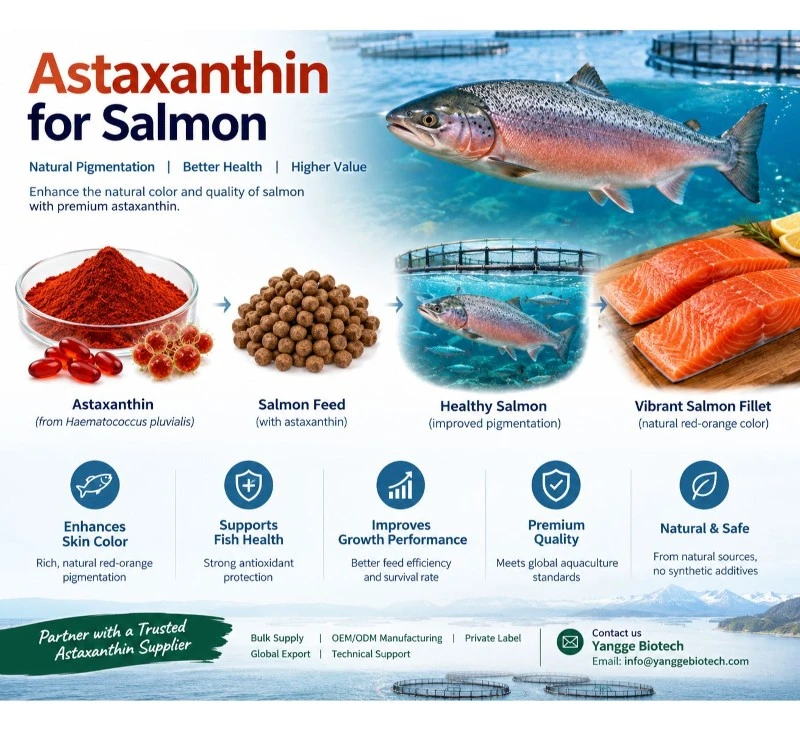
Astaxanthin Extract is an important carotenoid ingredient used in modern salmon aquaculture. It is particularly valued as a feed additive for supporting the characteristic pink-red pigmentation of salmon flesh. Because farmed salmon obtain carotenoids primarily through their diet, astaxanthin supplementation is an important part of commercial salmon feed formulation.
Natural astaxanthin extracts can be produced from sources such as Haematococcus pluvialis, Phaffia rhodozyma, and Paracoccus carotinifaciens. Depending on the production method, the ingredient may be supplied as an extract, concentrated powder, oleoresin, or another stabilized form.
Beyond pigmentation, astaxanthin has been investigated for antioxidant, immune-related, and stress-associated nutritional functions in aquatic animals. However, the strength of evidence varies by species and production conditions, while pigmentation remains its most established commercial application in salmon feed.
What Is Astaxanthin Extract?
Astaxanthin is a red-orange xanthophyll carotenoid belonging to the carotenoid family. It naturally occurs in various microorganisms and aquatic organisms and is widely used in aquaculture nutrition.
Commercial natural astaxanthin extracts commonly originate from:
- Haematococcus pluvialis microalgae
- Phaffia rhodozyma yeast
- Paracoccus carotinifaciens bacteria
The extraction and concentration process separates or concentrates astaxanthin-containing material from the original biomass. The final product can therefore have a considerably higher astaxanthin concentration than the original raw material.
The exact characteristics of an extract depend on the source organism, extraction process, concentration, stabilization system, carrier, and physical form.
For salmon feed manufacturers, this makes the specification of the finished ingredient particularly important. Two products described as "natural astaxanthin extract" may have different active concentrations, physical properties, stability, and bioavailability.
Why Use Astaxanthin Extract in Salmon Feed?
The primary reason for adding astaxanthin to salmon feed is to provide a concentrated dietary source of carotenoid pigment.
Salmon are unable to obtain sufficient astaxanthin from a controlled farm environment unless it is supplied through their feed. Consequently, commercial salmon diets commonly include carotenoid sources to support tissue pigmentation. Reviews of aquaculture nutrition identify astaxanthin as one of the major carotenoids used in formulated aquatic feeds.
Astaxanthin extract can provide several potential functions:
- Support salmon flesh pigmentation
- Provide a concentrated carotenoid source
- Contribute to muscle astaxanthin deposition
- Support the characteristic pink-red appearance of salmon
- Provide antioxidant activity
Contribute to broader nutritional strategies involving oxidative stress and immunity
Among these functions, flesh pigmentation is the clearest and most commercially established application.
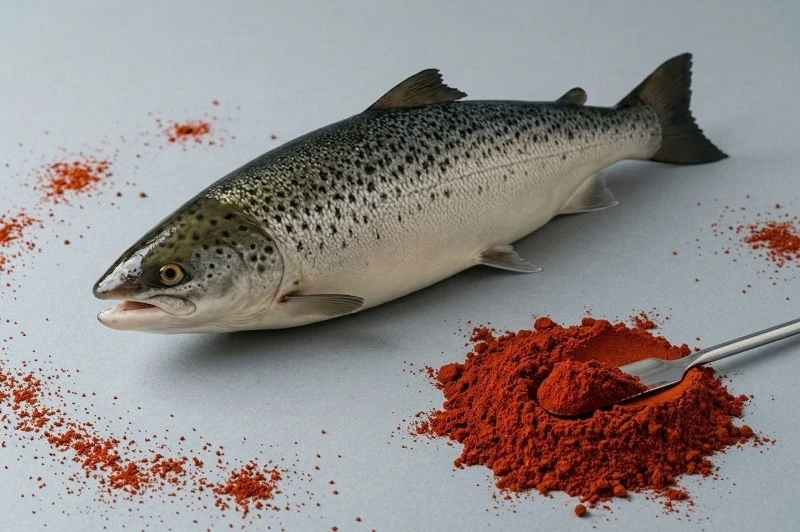
Astaxanthin Extract for Salmon Flesh Color
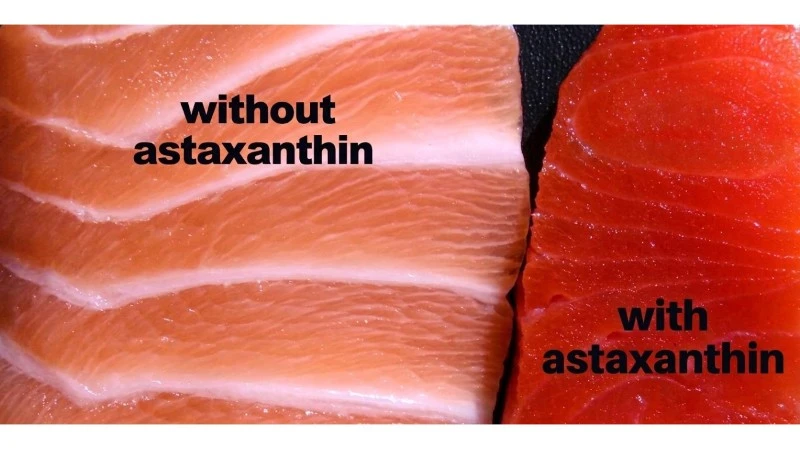
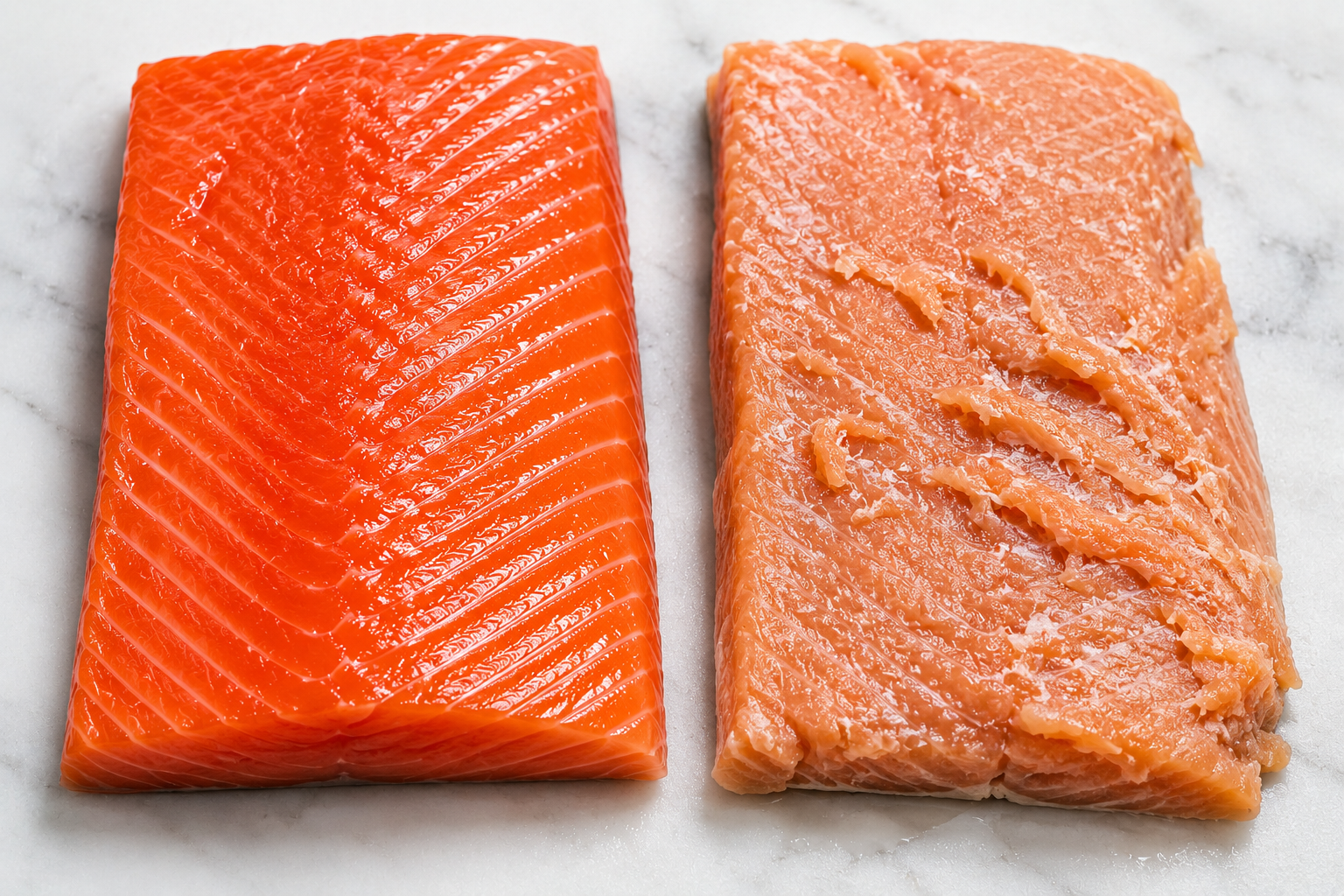
Salmon flesh naturally develops a pink-red color partly because carotenoids accumulate in the muscle.
When astaxanthin is supplied through feed, it is digested and absorbed before being transported and deposited in tissues. A portion can accumulate in muscle and contribute to the characteristic coloration associated with salmon products.
This is important for aquaculture because flesh color is a visible characteristic of the finished product and is closely connected with the commercial presentation of salmon.
Research in Atlantic salmon has demonstrated that dietary carotenoid supply affects flesh pigment deposition. One study found that flesh astaxanthin deposition was related to dietary dose under the experimental conditions, while growth and feed utilization were not significantly affected by the different carotenoid treatments.
Therefore, Astaxanthin Extract can be used as a concentrated ingredient in feed formulations designed to maintain consistent carotenoid delivery throughout salmon production.
Natural Astaxanthin Extract Sources
Haematococcus pluvialis Extract
Haematococcus pluvialis is one of the best-known natural sources of astaxanthin.
This microalga can accumulate substantial amounts of astaxanthin under appropriate cultivation conditions. The resulting biomass can be processed into concentrated astaxanthin ingredients for animal and aquaculture applications.
Depending on processing technology, Haematococcus astaxanthin can be supplied as whole-cell material, broken-cell material, powder, extract, or other specialized formulations.
Phaffia rhodozyma Extract
Phaffia rhodozyma, also known as Xanthophyllomyces dendrorhous, is an astaxanthin-producing yeast.
It has been investigated as a natural source of astaxanthin for aquaculture feed.
A recent Atlantic salmon feeding study compared P. rhodozyma, H. pluvialis, and P. carotinifaciens with synthetic astaxanthin. The researchers found that the natural sources effectively supported pigmentation, and P. rhodozyma produced results comparable with synthetic astaxanthin for several measurements.
Paracoccus carotinifaciens Extract
Paracoccus carotinifaciens is a carotenoid-producing bacterium that can also be used as a natural astaxanthin source.
Research has evaluated this source in salmon and other aquaculture species, providing another option for feed manufacturers seeking microbial astaxanthin ingredients.
Astaxanthin Extract and Salmon Pigmentation
One of the main advantages of an extract is the ability to provide a more concentrated carotenoid ingredient than a low-concentration raw biomass.
A standardized extract can make it easier for feed manufacturers to control the amount of astaxanthin entering a formulation.
However, pigment performance depends on more than concentration alone.
Important factors include:
- Astaxanthin concentration
- Source organism
- Molecular form
- Bioavailability
- Feed composition
- Fish size
- Feeding duration
- Processing conditions
- Storage stability
A recent 88-day Atlantic salmon study found that natural astaxanthin sources from H. pluvialis, P. rhodozyma, and P. carotinifaciens were effective for pigmentation. The study found no significant difference in fillet redness among the tested pigment sources, although differences were observed in total flesh astaxanthin concentration between some treatments.
This demonstrates why the quality and biological characteristics of the extract need to be evaluated rather than comparing products only by their natural origin.
Potential Antioxidant Benefits
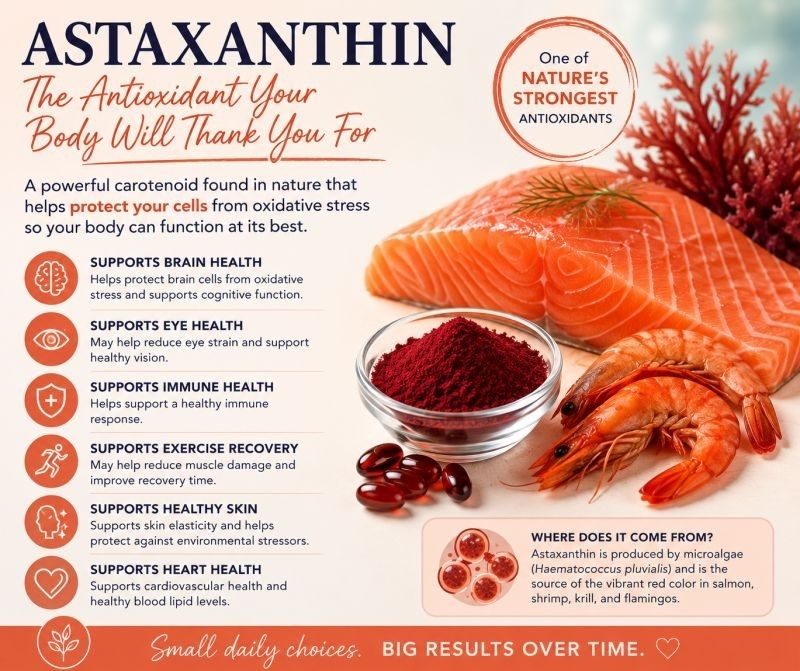
Astaxanthin is widely studied for its antioxidant properties.
Its molecular structure allows it to interact with oxidative processes, and research has investigated dietary astaxanthin as part of antioxidant defense in aquatic animals.
For salmon feed, this may be relevant during production conditions involving environmental changes, handling, transportation, or other sources of physiological stress.
However, antioxidant effects should not be presented as equivalent to the pigmentation function. In the 2025 Atlantic salmon comparison study, the different natural and synthetic pigment sources did not significantly differ in several measured oxidative markers in flesh and liver.
Therefore, antioxidant activity is best regarded as a potential nutritional function of astaxanthin rather than the primary reason for using the ingredient in salmon feed.
Astaxanthin and Immune-Related Nutrition
Astaxanthin has also been investigated for its relationship with immune response in aquatic animals.
Reviews of aquaculture research have reported associations between dietary astaxanthin and immune-related responses, antioxidant status, stress tolerance, and other physiological parameters.
However, these effects can differ substantially among species and experimental conditions.
For example, research conducted on shrimp or rainbow trout should not automatically be interpreted as proof of the same effect in Atlantic salmon.
Recent research has also specifically examined source-dependent effects of synthetic and natural astaxanthin in Atlantic salmon, including intestinal, skin, gill, liver, kidney, and immune-related parameters. This growing body of work indicates that astaxanthin source and formulation deserve further consideration beyond pigment deposition alone.
Astaxanthin Extract for Commercial Salmon Feed
Astaxanthin Extract can be incorporated into commercial salmon feed as part of a controlled carotenoid supplementation program.
Potential applications include:
1. Grow-Out Salmon Feed
Astaxanthin can be incorporated into diets used during salmon grow-out stages to support muscle pigment deposition.
2. Finishing Feed
Carotenoid supplementation can be incorporated into feed programs designed for later production stages when flesh pigmentation is an important product-quality objective.
3. Natural Carotenoid Feed Formulations
Natural extracts from microalgae, yeast, or bacteria can be used in feed formulations where naturally sourced carotenoid ingredients are desired.
4. Functional Aquaculture Feed
Astaxanthin can also be incorporated into functional feed formulations where carotenoid supplementation is intended to provide nutritional antioxidant or immune-related support in addition to pigmentation.
5. Aquaculture Research
Concentrated astaxanthin extracts are useful for controlled nutritional studies investigating pigment deposition, bioavailability, oxidative status, and other physiological responses.
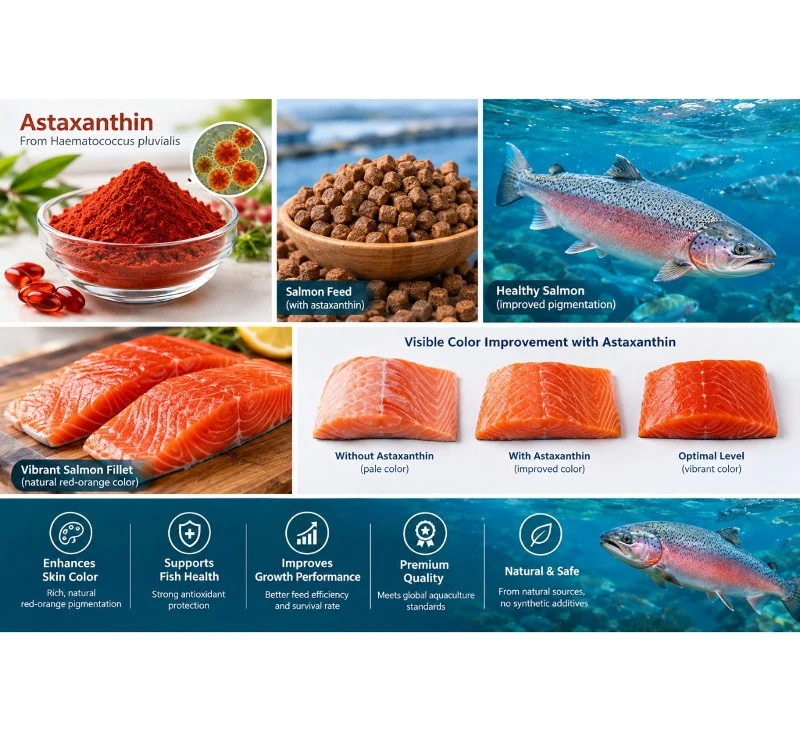
Natural Astaxanthin Extract vs. Synthetic Astaxanthin
Natural and synthetic astaxanthin are both used in aquaculture.
They can differ in:
- Production method
- Isomer composition
- Molecular form
- Esterification
- Stability
- Bioavailability
- Physical properties
- Cost
Processing requirements
It is not accurate to assume that natural astaxanthin is always more effective than synthetic astaxanthin.
In a 2025 Atlantic salmon study, natural sources were effective for pigmentation, but the researchers observed differences in flesh astaxanthin concentration between sources. P. rhodozyma performed comparably with synthetic astaxanthin for several measured outcomes, while the synthetic group had higher total flesh astaxanthin than the H. pluvialis and P. carotinifaciens groups.
For commercial feed formulation, the appropriate comparison should therefore consider the actual active content, bioavailability, stability, processing performance, and cost per unit of active astaxanthin.
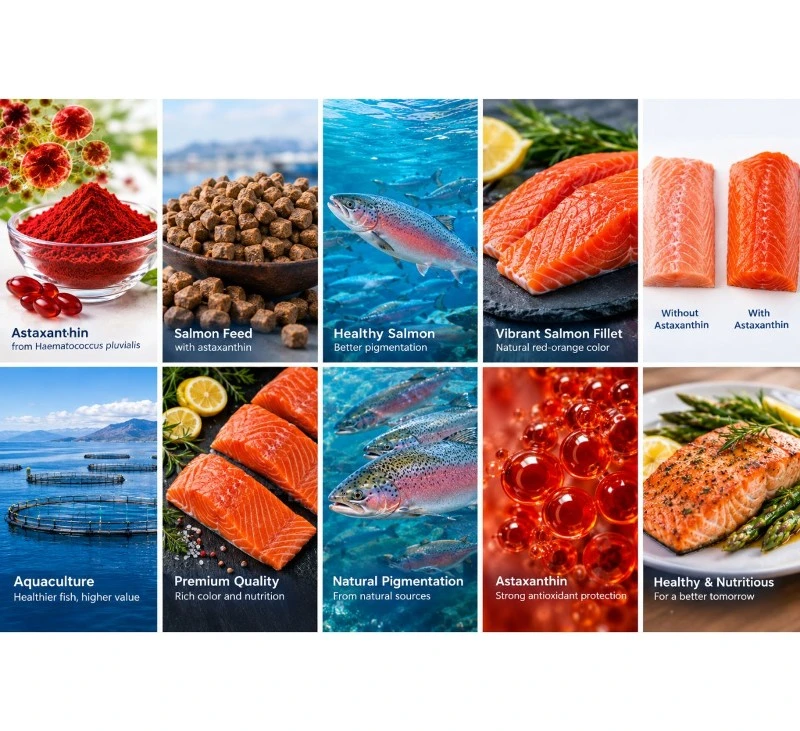
Factors Affecting Astaxanthin Extract Performance
Active Astaxanthin Content
The actual astaxanthin concentration should be verified using an appropriate analytical method.
A product's total powder or extract weight does not indicate how much active astaxanthin it supplies.
Bioavailability
The amount of astaxanthin absorbed by salmon can differ from the amount initially present in feed.
Source, molecular form, particle characteristics, feed composition, and processing can influence bioavailability.
Feed Processing
Extrusion and other feed-manufacturing operations can expose carotenoids to heat, oxygen, moisture, and pressure.
A stable astaxanthin formulation can therefore be important for maintaining carotenoid content during feed production.
Storage
Astaxanthin can be sensitive to oxygen, light, heat, and other environmental factors.
Packaging and storage conditions should therefore be selected according to the supplier's stability data.
Feeding Period
The duration of astaxanthin supplementation affects pigment deposition.
Historical Atlantic salmon research found that feeding frequency and feeding strategy could influence astaxanthin retention and flesh pigmentation.
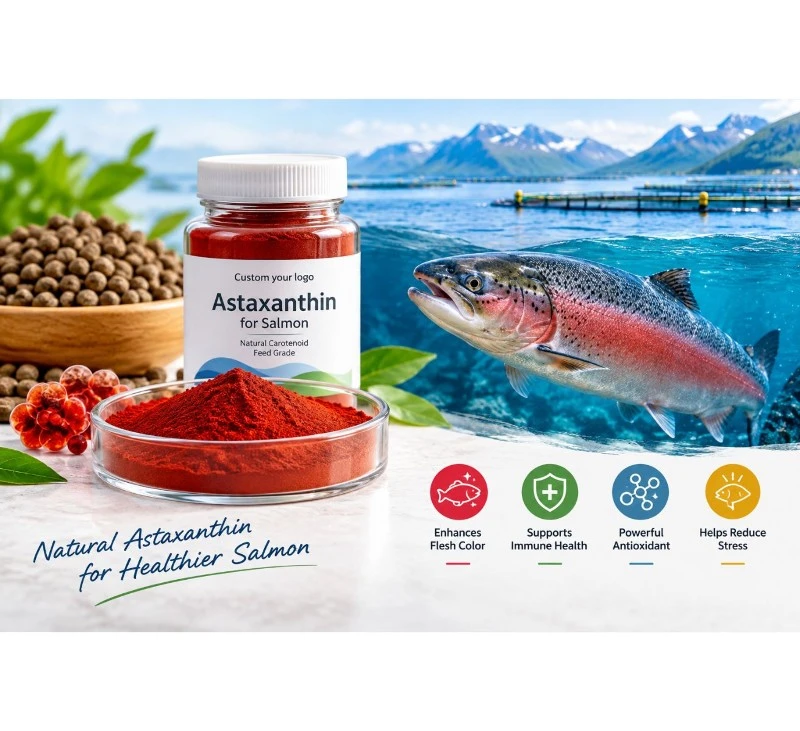
Is There a Universal Dosage for Astaxanthin Extract?
There is no single astaxanthin inclusion rate that applies to every salmon feed.
Published research uses different concentrations depending on fish size, life stage, feeding period, source, feed formulation, and research objectives.
One older Atlantic salmon study investigated dietary carotenoid levels up to 70 mg/kg and observed a linear relationship between dietary dose and flesh deposition under its experimental conditions. However, this research value should not be treated as a universal commercial recommendation.
Commercial inclusion should instead be determined based on:
- Product assay
- Fish production stage
- Target pigmentation
- Feed formulation
- Astaxanthin source
- Bioavailability
- Processing losses
- Storage stability
- Local regulatory requirements
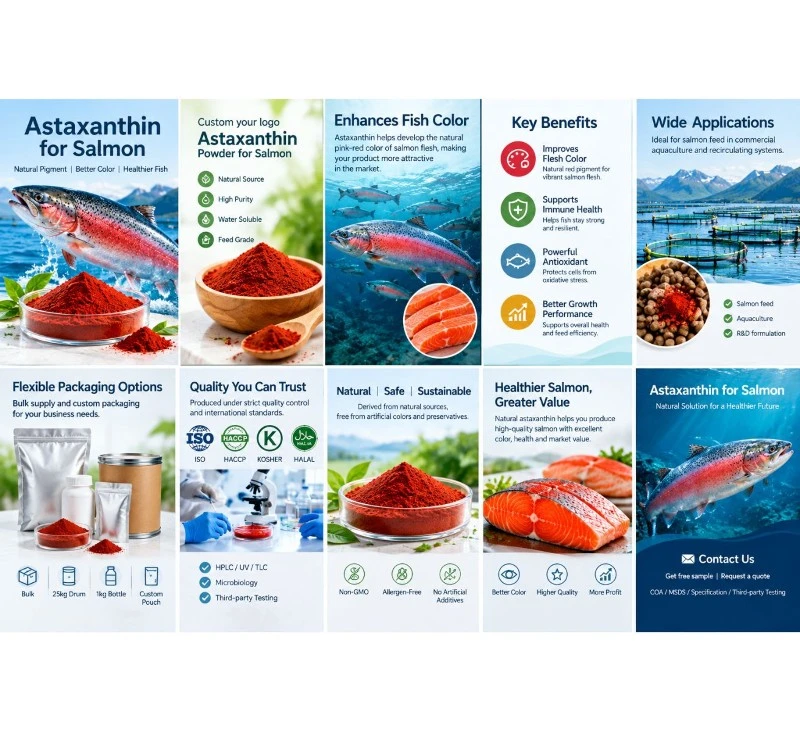
How to Choose Bulk Astaxanthin Extract for Salmon Feed
For aquaculture feed manufacturers and bulk ingredient buyers, several specifications should be reviewed before purchasing.
Source
Confirm whether the extract comes from Haematococcus pluvialis, Phaffia rhodozyma, Paracoccus carotinifaciens, or another source.
Astaxanthin Assay
Check the actual percentage of astaxanthin and the analytical method used.
Physical Form
Determine whether the product is supplied as powder, oleoresin, extract, beadlet, or another stabilized form.
Stability
Ask for information on stability under heat, light, oxygen, humidity, and storage conditions.
Bioavailability
Evaluate the formulation technology and available data regarding pigment deposition.
Purity
Check relevant specifications such as moisture, ash, heavy metals, microbiological parameters, and foreign matter.
Batch Consistency
Consistent active content and physical properties are essential for commercial feed manufacturing.
Documentation
Bulk buyers may request:
- COA
- Technical Data Sheet
- SDS/MSDS
- Product specification
- Stability data
- Microbiological testing
- Heavy-metal testing
- Source documentation
Storage and Handling
Astaxanthin Extract should be stored according to the supplier's technical specification.
In general, carotenoid ingredients should be protected from excessive:
- Heat
- Light
- Oxygen
- Moisture
Sealed packaging can help reduce exposure to environmental factors during transportation and storage.
Feed manufacturers should also consider stability throughout the entire process, from bulk ingredient storage through feed production and finished-feed storage.

Why Astaxanthin Extract Is Important for Salmon Aquaculture
The value of Astaxanthin Extract comes from its ability to combine a concentrated carotenoid supply with an important commercial function in salmon production.
Its best-established role is supporting the pink-red pigmentation of salmon flesh. At the same time, ongoing research continues to investigate potential antioxidant, immune-related, and stress-associated functions.
Recent Atlantic salmon research demonstrates that several natural astaxanthin sources can effectively support pigmentation, while differences between sources remain relevant when considering tissue deposition and formulation performance.
For feed manufacturers, the objective should therefore be to select an astaxanthin extract that provides consistent active content, suitable bioavailability, good processing stability, and reliable batch quality.
Conclusion
Astaxanthin Extract is an important carotenoid ingredient for salmon feed, with its primary commercial application being support for salmon flesh pigmentation.
Natural extracts from Haematococcus pluvialis, Phaffia rhodozyma, and Paracoccus carotinifaciens provide different options for supplying astaxanthin in aquaculture diets. Research in Atlantic salmon shows that these natural sources can support pigmentation, although performance can vary according to source, concentration, bioavailability, feeding conditions, and processing.
Astaxanthin is also being investigated for broader nutritional functions, including antioxidant and immune-related effects. These benefits remain dependent on species, formulation, dose, and farming conditions and should be distinguished from its well-established pigmentation function.
For commercial salmon feed, choosing the right Astaxanthin Extract requires attention to astaxanthin concentration, source, bioavailability, physical form, stability, processing compatibility, purity, and batch consistency.
With appropriate quality control and formulation, Astaxanthin Extract can be a valuable ingredient for producing consistent salmon feed and supporting the natural pink-red flesh color associated with farmed salmon.
References
Elbahnaswy, S., & Elshopakey, G. E. (2023). "Recent progress in practical applications of a potential carotenoid astaxanthin in aquaculture industry: a review." Fish Physiology and Biochemistry, 50, 97–126.
"Effect of natural carotenoids obtained from Haematococcus pluvialis, Paracoccus carotinifaciens, and Phaffia rhodozyma on flesh pigmentation and related biochemical mechanisms in Atlantic salmon (Salmo salar L.)." Aquaculture, 596, 741743, 2025.
"Biological function of astaxanthin and its application in aquatic animal feeding." Food Chemistry: X, 32, 103319, 2025.
"Pigmenting efficacy of astaxanthin and canthaxanthin in fresh-water reared Atlantic salmon, Salmo salar." Aquaculture.
"Pigmentation of Atlantic salmon (Salmo salar) fed astaxanthin in all meals or in alternating meals." Aquaculture.
"Source-dependent effects of dietary astaxanthins on health and mucosal immunity in Atlantic salmon (Salmo salar)." 2026.
FAQ
Q1: What is Astaxanthin Extract?
A1: Astaxanthin Extract is a concentrated carotenoid ingredient used in aquaculture feed, particularly salmon feed. It provides a dietary source of astaxanthin and is primarily used to support the characteristic pink-red pigmentation of salmon flesh.
Q2: Why is Astaxanthin Extract used in salmon feed?
A2: The primary reason for using Astaxanthin Extract is to provide a concentrated dietary carotenoid source that supports salmon flesh pigmentation. It can also contribute to broader nutritional strategies involving antioxidant and immune-related functions.
Q3: What is the main commercial application of Astaxanthin Extract for salmon?
A3: Its most established commercial application is supporting salmon flesh pigmentation. Dietary astaxanthin can be absorbed and deposited in muscle, contributing to the characteristic pink-red color of salmon products.
Q4: How does Astaxanthin Extract support salmon flesh color?
A4: After salmon consume feed containing astaxanthin, the carotenoid is digested, absorbed, transported through tissues, and partially deposited in muscle. This deposited astaxanthin contributes to the pink-red pigmentation of salmon flesh.
Q5: What are the natural sources of Astaxanthin Extract?
A5: Common natural sources include Haematococcus pluvialis microalgae, Phaffia rhodozyma yeast, and Paracoccus carotinifaciens bacteria.
Q6: What is Haematococcus pluvialis Astaxanthin Extract?
A6: Haematococcus pluvialis is a microalga recognized as an important natural source of astaxanthin. Its biomass can be processed into whole-cell material, broken-cell material, powder, extract, or other specialized astaxanthin formulations.
Q7: What is Phaffia rhodozyma Astaxanthin Extract?
A7: Phaffia rhodozyma, also known as Xanthophyllomyces dendrorhous, is an astaxanthin-producing yeast. It has been investigated as a natural astaxanthin source for aquaculture feed.
Q8: What is Paracoccus carotinifaciens Astaxanthin Extract?
A8: Paracoccus carotinifaciens is a carotenoid-producing bacterium that can be used as a natural astaxanthin source for aquaculture and salmon feed applications.
Q9: What forms can Astaxanthin Extract be supplied in?
A9: Depending on the production and stabilization technology, astaxanthin may be supplied as an extract, concentrated powder, oleoresin, beadlet, or another stabilized form.
Q10: Is Astaxanthin Extract more concentrated than raw biomass?
A10: Generally, the extraction and concentration process can produce an ingredient with a considerably higher astaxanthin concentration than the original biomass. The actual concentration depends on the source and manufacturing process.
Q: Q10: What is the difference between natural and synthetic Astaxanthin?
A: A10: Natural and synthetic astaxanthin can differ in chemical form, isomer composition, esterification, processing, stability, and bioavailability. These differences can affect absorption, retention, and pigmentation performance, so feed manufacturers should evaluate more than the stated astaxanthin percentage.