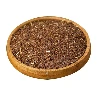
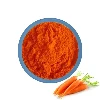
Carotene Powder is a plant-derived carotenoid ingredient used in pet nutrition, animal feed, and functional food formulations. Among carotenoids, beta-carotene is particularly well known for its antioxidant properties and its role as a provitamin A compound in animals that can convert it to vitamin A.
For dogs and cats, carotene ingredients can be considered for several nutritional purposes, including antioxidant support, natural pigmentation, and formulation of premium pet foods and supplements. However, dogs and cats have important differences in carotenoid metabolism, so the nutritional role of carotene should be considered separately for each species.
For pet-food manufacturers, understanding the source, concentration, stability, and biological function of carotene is important when developing high-quality products.
What Is Carotene Powder?
Carotene is a group of fat-soluble carotenoid pigments naturally found in plants. Common carotenoids in this group include beta-carotene and alpha-carotene.
Carotenoids are responsible for many of the yellow, orange, and red colors found in fruits and vegetables. Commercial carotene powder can be produced from natural plant sources or through controlled manufacturing processes, depending on the specific product.
Beta-carotene is particularly important in nutrition because it can act as a provitamin A source in species capable of converting it into vitamin A.
Carotene powder can be supplied as a standardized ingredient for:
- Dog food
- Cat food
- Pet treats
- Functional chews
- Nutritional premixes
- Pet supplements
- Animal-feed formulations
The exact nutritional value depends on the carotenoid composition and concentration of the finished ingredient.
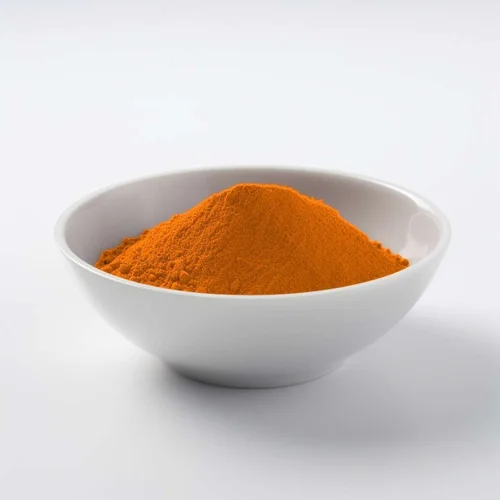
Carotene Powder for Dogs and Cats
Dogs and cats do not process carotenoids in exactly the same way.
Dogs can convert beta-carotene into vitamin A to some extent. Therefore, beta-carotene can contribute to vitamin A nutrition in dogs.
Cats, on the other hand, have a limited ability to convert beta-carotene into vitamin A. Consequently, cats require preformed vitamin A in their diets and should not depend on beta-carotene as their primary source of vitamin A.
This distinction is especially important when developing pet foods intended for both species.

Antioxidant Support
One of the major reasons carotenoids are used in nutrition is their antioxidant activity.
Normal metabolic processes can generate reactive compounds. The body has natural antioxidant systems that help maintain cellular balance, and dietary antioxidants can contribute to the overall antioxidant profile of a diet.
Carotenoids such as beta-carotene have been extensively studied for their antioxidant properties.
In dog and cat nutrition, carotene can therefore be considered as one component of a broader nutritional strategy designed to provide antioxidant compounds.
It should not be presented as a treatment for disease or as a replacement for veterinary care.
Supports Vitamin A Nutrition in Dogs
Beta-carotene can serve as a provitamin A carotenoid in dogs.
Vitamin A is an essential nutrient with important functions in:
- Normal vision
- Immune function
- Skin and epithelial tissues
- Reproduction
- Growth and development
When beta-carotene is included in a dog's diet, some of it can be converted into vitamin A.
However, the amount converted is not necessarily equivalent to the amount consumed. Therefore, manufacturers should evaluate the complete nutrient profile of the finished food rather than assuming that carotene alone will satisfy the dog's vitamin A requirement.

Carotene and Vitamin A in Cats
The situation is different for cats.
Cats have limited capacity to convert beta-carotene into vitamin A. This means that beta-carotene should not be considered a replacement for preformed vitamin A in feline nutrition.
Cats need dietary sources of preformed vitamin A to meet their nutritional requirements.
Nevertheless, carotenoids can still be considered as functional antioxidant ingredients in feline nutrition, provided that the complete formulation supplies adequate vitamin A from appropriate sources.
This species-specific difference is one of the most important considerations when using carotene powder in pet products.
Supports Normal Immune Function
Vitamin A plays an important role in normal immune function.
Because beta-carotene can contribute to vitamin A nutrition in dogs, it can form part of a nutritional strategy supporting normal immune-system function.
Carotenoids have also been studied for their potential effects on immune responses and antioxidant defense.
For pet-food manufacturers, carotene can therefore be incorporated into formulas designed around complete nutritional support.
However, a healthy immune system depends on many factors, including adequate protein, vitamins, minerals, fatty acids, and overall diet quality.
Supports Healthy Skin
Vitamin A contributes to the maintenance of normal epithelial tissues, including skin.
Adequate nutrition is therefore important for maintaining healthy skin in dogs and cats.
Carotene-containing formulations may be included in broader skin-support products alongside nutrients such as:
- Omega-3 fatty acids
- Omega-6 fatty acids
- Zinc
- Biotin
- High-quality protein
- Vitamins and minerals
Carotene should not be considered a standalone treatment for itching, hair loss, dermatitis, or other skin conditions because these problems can have many different causes.

Supports Healthy Coat Appearance
A healthy coat depends on adequate nutrition and normal skin function.
Because beta-carotene contributes to vitamin A nutrition in dogs and carotenoids provide antioxidant activity, carotene may be incorporated into functional skin-and-coat formulas.
For commercial pet products, it can be combined with other nutritional ingredients to create comprehensive formulations for coat and skin support.
The final product should always be evaluated as a complete nutritional system rather than focusing on one ingredient.
Supports Normal Vision
Vitamin A is essential for normal visual function.
In dogs, beta-carotene can contribute to vitamin A nutrition through metabolic conversion. Adequate vitamin A supports normal function of the visual system.
For cats, preformed vitamin A remains essential because cats cannot rely on beta-carotene conversion to meet their vitamin A needs.
Therefore, carotene powder can play different roles in dog and cat formulas, even when the same ingredient is used.

Potential Support for Healthy Aging
Oxidative stress is one of the biological processes associated with aging.
Carotenoids have antioxidant properties, which makes them interesting ingredients for nutritional strategies aimed at supporting healthy aging.
Senior pet formulas may combine carotenoids with other nutritional components, such as:
- High-quality proteins
- Omega fatty acids
- Vitamins
- Minerals
- Other antioxidant compounds
For older dogs and cats, a balanced diet appropriate for their life stage remains more important than relying on any individual ingredient.
Natural Colorant for Pet Food
Carotene also has an important technological function: natural coloration.
Depending on the carotenoid profile and concentration, carotene can produce yellow, orange, or reddish shades.
It may therefore be used in:
- Dry dog food
- Dry cat food
- Wet pet food
- Pet treats
- Functional chews
- Nutritional powders
- Premixes
Natural carotenoid pigments can be useful for manufacturers seeking plant-derived color options where permitted by applicable regulations.
Carotene Powder for Dog Food
Dog-food manufacturers can use carotene powder in several types of products.
Potential applications include:
Complete Dog Food
Carotene may be incorporated into complete diets as part of the antioxidant and nutritional formulation.
Functional Treats
It can be added to treats designed around broader nutritional benefits.
Skin-and-Coat Formulas
Carotene may be combined with fatty acids, vitamins, minerals, and other nutritional ingredients.
Senior Dog Products
Carotenoid ingredients can be considered as part of antioxidant-focused senior nutrition.
Nutritional Premixes
Standardized carotene can be incorporated into premixes to provide consistent ingredient levels.

Carotene Powder for Cat Food
Carotene can also be used in feline nutrition, but formulation requirements are different.
The most important consideration is that beta-carotene cannot replace preformed vitamin A in cats.
Therefore, a cat-food formulation containing carotene should still provide appropriate preformed vitamin A according to recognized nutritional requirements.
Potential applications for carotene in cat products include:
- Antioxidant formulations
- Functional cat food
- Cat treats
- Nutritional premixes
- Natural pigmentation
- Specialized nutritional products
The ingredient should be evaluated according to its actual purpose rather than assuming that its function in dogs is identical to its function in cats.
Carotene Powder vs. Beta-Carotene Powder
These terms can sometimes be confused in commercial product descriptions.
Carotene powder may contain one or more carotene compounds depending on the source and manufacturing process.
Beta-carotene powder specifically refers to beta-carotene.
For pet-food manufacturers, the product specification should clearly identify:
- Active carotenoid
- Carotenoid concentration
- Source
- Carrier
- Moisture
- Particle size
- Stability
- Purity
This information allows accurate formulation and quality control.
How to Choose High-Quality Carotene Powder
Quality and consistency are important when selecting carotene powder for commercial pet products.
Standardized Active Content
A standardized carotenoid concentration allows manufacturers to maintain consistent levels between production batches.
Good Stability
Carotenoids can be sensitive to oxygen, light, heat, and moisture. Proper processing and packaging can help maintain their quality.
Fine Powder
A uniform powder can be easier to blend into pet-food premixes, treats, and supplements.
Quality Documentation
Bulk buyers should request documentation such as:
- Certificate of Analysis
- Carotenoid assay
- Moisture specification
- Heavy-metal testing
- Microbiological testing
- Stability information
- Product specification

Carotene Stability During Pet-Food Processing
Stability is an important consideration because pet food may undergo heat and pressure during manufacturing.
Extrusion, drying, storage, oxygen exposure, and light can all influence carotenoid retention.
Manufacturers should therefore evaluate the stability of the specific carotene ingredient throughout:
- Mixing
- Processing
- Drying
- Packaging
- Storage
- Shelf life
Protective carriers and suitable packaging systems may help improve carotenoid stability.
The actual retention rate should be established through product-specific testing rather than assumed.

How Much Carotene Powder Should Be Used?
There is no universal dosage for carotene powder for all dogs, cats, or pet-food products.
The appropriate inclusion rate depends on:
- Carotenoid type
- Active concentration
- Dog or cat species
- Life stage
- Complete diet composition
- Vitamin A content
- Processing conditions
- Intended purpose
- Applicable regulations
For commercial formulations, inclusion levels should be established by qualified animal nutrition professionals using the complete nutritional profile of the finished product.
Pet owners should also avoid adding concentrated nutritional ingredients to a complete pet food without appropriate professional advice.
Carotene Powder for Premium Pet Nutrition
The pet-food industry continues to show interest in natural and functional ingredients.
Carotene powder fits several current formulation concepts because it can provide:
- Plant-derived carotenoids
- Antioxidant properties
- Provitamin A activity in dogs when beta-carotene is used
- Natural pigmentation
- Formulation versatility
It can be incorporated into premium diets alongside other nutritional ingredients to create products focused on overall wellness.
Benefits at a Glance
| Potential Benefit | Dogs | Cats |
|---|---|---|
| Antioxidant support | Yes | Yes |
| Natural pigmentation | Yes | Yes |
| Contribution to vitamin A through beta-carotene | Possible | Limited |
| Supports normal vitamin A-related functions | Through appropriate vitamin A nutrition | Requires preformed vitamin A |
| Skin and epithelial support | As part of balanced nutrition | As part of balanced nutrition |
| Functional pet-food applications | Yes | Yes |
The table describes potential nutritional roles and should not be interpreted as a disease-treatment claim.
Safety and Formulation Considerations
Carotene is a nutritional ingredient, but correct formulation remains essential.
It is important to distinguish provitamin A carotenoids from preformed vitamin A.
For dogs, beta-carotene can contribute to vitamin A nutrition. For cats, beta-carotene should not be relied upon to supply vitamin A.
Pet-food manufacturers should also consider the total vitamin A intake from every ingredient in the formulation.
A balanced diet should meet recognized nutritional requirements without unnecessary or excessive supplementation.
Conclusion
Carotene Powder is a versatile ingredient with potential applications in both dog and cat nutrition. Its main advantages include carotenoid antioxidant activity, natural pigmentation, and, in dogs, the ability of beta-carotene to contribute to vitamin A nutrition.
For dogs, beta-carotene can support vitamin A nutrition related to normal vision, immune function, skin, growth, and other physiological processes. For cats, carotenoids may still have functional nutritional value, but beta-carotene cannot replace preformed vitamin A.
For pet-food manufacturers, the quality of the carotene ingredient is essential. Active carotenoid concentration, purity, stability, processing tolerance, packaging, and formulation compatibility should all be evaluated before commercial use.
When appropriately formulated as part of a complete and balanced diet, carotene powder can be a useful ingredient for premium dog and cat foods, functional treats, supplements, and nutritional premixes.
References
National Research Council. Nutrient Requirements of Dogs and Cats. National Academies Press.
Fascetti, A. J., & Delaney, S. J. Applied Veterinary Clinical Nutrition. Elsevier.
National Academies of Sciences, Engineering, and Medicine. Nutrient Requirements of Dogs and Cats. Information on vitamin A requirements and species-specific nutrient metabolism.
Stahl, W., & Sies, H. (2005). Bioactivity and protective effects of natural carotenoids. Biochimica et Biophysica Acta.
Chew, B. P., & Park, J. S. (2004). Carotenoid action on the immune response. Journal of Nutrition.
Surai, P. F. Research on carotenoids, antioxidant systems, and animal nutrition.