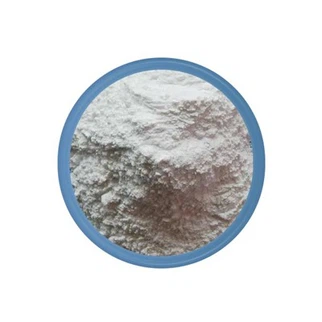
Tea saponin is a naturally occurring plant compound mainly obtained from the seeds and seed meal of Camellia oleifera. It belongs to a group of compounds known as saponins, which are recognized for their surface-active properties and biological activity. In recent years, tea saponin has attracted attention as a potential botanical pest-control ingredient for agricultural crops.
Research has demonstrated that tea saponins can have insecticidal activity against certain agricultural pests through contact and ingestion. Studies have investigated their effects on pests such as tea caterpillars and diamondback moths, supporting continued research into saponin-based approaches for integrated pest management (IPM).
For farmers, agricultural-input manufacturers, and distributors seeking plant-derived ingredients, tea saponin offers potential for developing botanical pest-management products while making use of a valuable agricultural by-product.
What Is Tea Saponin?
Tea saponin is a group of naturally occurring triterpenoid saponins found in Camellia plants. Commercial tea saponin is commonly obtained from Camellia oleifera seeds and seed meal, which remain after oil extraction.
Tea saponins have an amphiphilic structure, meaning they contain both water-attracting and oil-attracting portions. This gives them natural surfactant properties and allows them to interact with biological membranes and surfaces.
The same properties that make tea saponin useful as a natural surfactant are also relevant to its biological activity against certain insects.

Why Use Tea Saponin for Crop Pest Control?
Modern agriculture increasingly explores botanical and biological pest-management options as part of integrated approaches. Tea saponin is particularly interesting because it combines surface activity with demonstrated biological effects against some insect pests.
In laboratory research, tea saponins extracted from Camellia oleifera showed both contact and stomach toxicity against Ectropis obliqua, a destructive tea-plant pest. The study found that tea saponins could damage the insect's outer waxy layer and disrupt tissues in the digestive tract.
These findings do not mean tea saponin will control every agricultural pest. Its effectiveness depends on the target species, concentration, formulation, application method, and environmental conditions.

Benefits of Tea Saponin as a Botanical Pest-Control Agent
1. Plant-Derived Agricultural Ingredient
Tea saponin is derived from Camellia oleifera, making it an attractive option for manufacturers developing plant-derived agricultural products.
The seeds and seed meal of Camellia oleifera are naturally rich in triterpenoid saponins, providing a renewable botanical source for commercial extraction.
However, plant-derived does not automatically mean risk-free. Tea saponin is biologically active, so its concentration, formulation, crop compatibility, and regulatory status must be evaluated before agricultural use.
2. Contact Insecticidal Activity
One important characteristic of tea saponin is its potential contact activity.
In research on Ectropis obliqua, tea saponins were able to affect insects following direct exposure. Microscopic observations indicated damage to the waxy surface layer of the larvae, which can interfere with water balance and contribute to mortality.
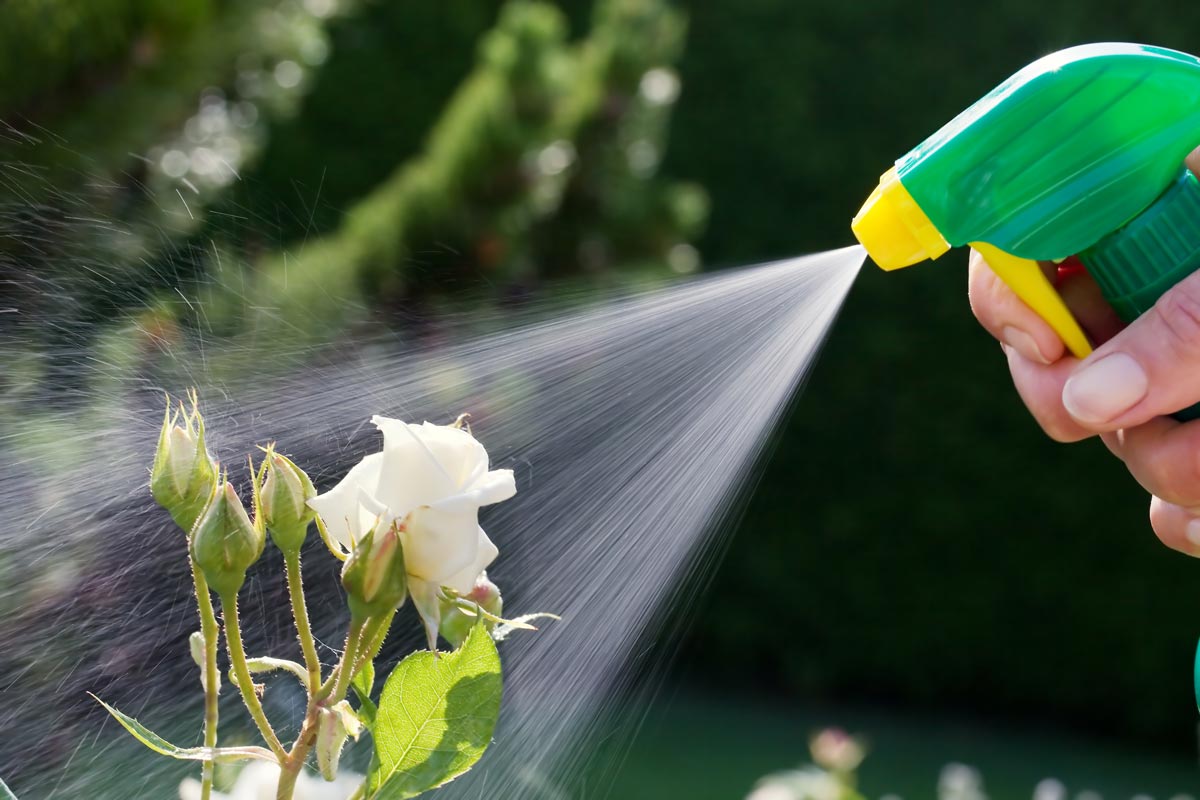
This property may make tea saponin useful in spray formulations designed to improve contact with susceptible insect pests.
3. Stomach Toxicity
Tea saponin can also exhibit activity after ingestion.
The same Ectropis obliqua study found that tea saponins damaged the insect's intestinal structures after consumption. The researchers observed shortened intestinal villi and disruption of the intestinal wall.
This suggests that tea saponin can affect certain pests through more than one route of exposure.
4. Potential Feeding-Deterrent Effects
Saponins have been investigated for their ability to influence insect feeding behavior.
Research reviews indicate that plant saponins can affect insect feeding, development, digestion, reproduction, and survival. Tea saponins specifically have been reported to reduce feeding and developmental performance in certain pest species.
A feeding-deterrent effect can be valuable because reducing pest feeding may help decrease crop damage even when complete insect mortality is not achieved.
5. Potential for Integrated Pest Management
Tea saponin may be incorporated into broader IPM strategies rather than being viewed as a universal replacement for conventional pesticides.
IPM combines different approaches, including monitoring, cultural practices, biological control, resistant varieties, and carefully selected pest-control products. Recent research on Camellia crop systems emphasizes the importance of integrating biological and other lower-impact approaches into pest management.
Tea saponin may therefore have value as one tool within a diversified crop-protection program.
6. Natural Surfactant Properties
Tea saponin is also a natural non-ionic surfactant.
Its surface-active characteristics can contribute to wetting and dispersion properties in agricultural formulations. This is one reason tea saponin has attracted attention beyond pest control, including agricultural and soil-management applications.
For formulation developers, this property may be useful when designing botanical products that need good dispersion in water.

How Does Tea Saponin Affect Insect Pests?
The biological activity of tea saponin can involve several mechanisms.
Disruption of the Insect Surface
Certain tea saponins can interact with the insect's outer surface. Experimental research found that treatment caused damage to the waxy layer of Ectropis obliqua, potentially increasing water loss and contributing to mortality.
Effects on the Digestive System
After ingestion, tea saponins can interact with the insect digestive system. Research has reported damage to intestinal structures and disruption of intestinal cells in susceptible larvae.
Effects on Insect Physiology
Broader research on plant saponins has identified additional potential mechanisms, including effects on digestive processes, membrane permeability, detoxification systems, development, and sterol-related processes.
Because saponins are a diverse group of compounds, their precise mode of action can vary between saponin sources and target pests.
Applications of Tea Saponin for Crops
Tea Plantation Pest Control
Tea plantations are one of the most directly studied applications.
Ectropis obliqua is an important defoliating pest of tea plants, and research has demonstrated insecticidal activity of tea saponins against its larvae. Field and laboratory research suggests that tea saponin has potential as a plant-derived pest-control material for tea production.
Vegetable Crop Protection
Tea saponin may also be investigated for use against pests affecting vegetable crops.
Plant saponins more broadly have demonstrated activity against several insect groups. Diamondback moth, aphids, and other crop pests have been included in research involving saponin-based pest management.
Because susceptibility varies between insects, crop-specific testing is necessary before commercial application.
Diamondback Moth Management
Diamondback moth (Plutella xylostella) is a major pest of cabbage, broccoli, cauliflower, and other cruciferous crops.
Previous research cited in the tea-saponin literature found that tea saponins could affect diamondback moth feeding, growth, pupation, and adult emergence.
This makes diamondback moth another potential target for tea-saponin-based botanical pest-control research.
Aphid Management
Aphids are common agricultural pests that feed on plant sap and can damage crops directly while also contributing to the spread of some plant diseases.
Saponin-based botanical compounds have been studied for toxicity and feeding-deterrent effects against aphids. Tea saponin may therefore be considered as a candidate ingredient for formulations targeting susceptible aphid populations, subject to appropriate testing.
Botanical Pesticide Formulations
Tea saponin can be evaluated as an active botanical ingredient or incorporated into multi-component agricultural formulations.
Its natural surfactant characteristics may also contribute to the physical performance of certain formulations. However, formulation developers should test compatibility, stability, phytotoxicity, and biological efficacy rather than assuming that higher saponin concentrations will always produce better results.

Tea Saponin and Sustainable Agriculture
Tea saponin production can also support the utilization of Camellia oleifera processing by-products.
Tea seed meal is generated after oil extraction and contains significant quantities of saponins. Extracting valuable saponins from this material can create additional value from an agricultural residue.
This type of utilization fits within a broader circular-agriculture approach, where agricultural processing by-products are converted into higher-value ingredients for agriculture and other industries.

Tea Saponin vs. Conventional Pesticides
Tea saponin should not automatically be considered a direct substitute for every conventional pesticide.
Conventional pesticides generally have defined active ingredients, target pests, recommended application rates, residue requirements, and regulatory data. Tea saponin products can vary considerably in saponin concentration, composition, purity, and formulation.
Potential advantages of tea saponin include:
- Plant-derived origin
- Natural surfactant properties
- Demonstrated activity against certain insect pests
- Potential contact and ingestion activity
- Potential feeding-deterrent effects
- Compatibility with botanical pest-management development
- Potential use in integrated pest management
At the same time, limitations include variable efficacy, crop sensitivity, formulation requirements, and the need for appropriate regulatory approval.

Factors to Consider When Choosing Tea Saponin
For agricultural manufacturers and bulk buyers, product quality is important.
Saponin Content
A standardized saponin concentration helps manufacturers develop more consistent formulations and compare different batches.
Purity
Purity can influence biological activity, solubility, stability, and formulation performance. A certificate of analysis should be requested for commercial purchases.
Botanical Source
The source should be clearly identified. Camellia oleifera seed and seed meal are important commercial sources of tea saponins.
Solubility and Dispersion
Water solubility and dispersion properties are particularly important for liquid spray formulations.
Stability
Storage conditions, moisture, temperature, oxygen, and packaging can influence product quality. Manufacturers should follow the supplier's recommended storage conditions.
Crop Compatibility
Before large-scale application, formulations should be tested on the intended crop to identify possible phytotoxic effects.
Tea Saponin Dosage for Crop Pest Control
There is no universal dosage for tea saponin across all crops and insects.
Research concentrations can vary significantly depending on the saponin extract, purity, target pest, formulation, exposure method, and experimental conditions.
For example, one study found strong contact and stomach toxicity against Ectropis obliqua using specific tea-saponin extracts, but those laboratory concentrations should not be treated as a universal field application rate.
Commercial application rates should instead be established through product-specific formulation studies, crop safety trials, efficacy testing, and applicable pesticide regulations.
:max_bytes(150000):strip_icc()/GettyImages-2174339079-4b4b877dfb1f4c2bb4e14dc09d587ca0.jpg?size=618x0 "Tea Saponin manufacturer")
Safety and Environmental Considerations
Although tea saponin is plant-derived, it is still a biologically active compound.
Its effects on non-target organisms can vary according to concentration, formulation, exposure route, and species. Therefore, agricultural manufacturers should evaluate effects on beneficial insects and other organisms before commercializing a tea-saponin-based pest-control product.
Users should also follow local pesticide regulations and product labels. A botanical ingredient should not be assumed to be exempt from registration or safety requirements simply because it is naturally derived.
Conclusion
Tea saponin is a promising botanical ingredient for crop pest management. Obtained mainly from Camellia oleifera seeds and seed meal, it combines natural surfactant properties with biological activity against certain insect pests.
Scientific studies have demonstrated contact and ingestion-related insecticidal effects, including disruption of the insect surface and digestive system. Broader research on plant saponins also indicates potential feeding-deterrent and developmental effects against susceptible pests.
Tea saponin may therefore have a useful role in botanical pesticide development and integrated pest management. However, its effectiveness is pest- and formulation-dependent, and it should not be promoted as a universal replacement for conventional pesticides.
References
Cui, C., Yang, Y., Zhao, T., Zou, K., Peng, C., Cai, H., Wan, X., & Hou, R. (2019). Insecticidal Activity and Insecticidal Mechanism of Total Saponins from Camellia oleifera. Molecules, 24(24), 4518. DOI: 10.3390/molecules24244518.
Yu, X.-L., & He, Y. (2018). Tea saponins: effective natural surfactants beneficial for soil remediation, from preparation to application. RSC Advances, 8, 24312–24321. DOI: 10.1039/C8RA02859A.
Saponins, the Unexplored Secondary Metabolites in Plant Defense: Opportunities in Integrated Pest Management. (2025). Review of saponin mechanisms and their potential applications in sustainable pest management.
Biological Control Strategies and Integrated Arthropod Pest Management for Camellia oleifera. (2025). Review of biological control and IPM strategies for oil-tea crop pests.
Chemical Constituents and Pharmacological Effects of Camellia oleifera Fruits: A Review. (2025). Review of the chemical composition and applications of C. oleifera, including its triterpenoid saponins.
FAQ
A1: Tea Saponin is a group of naturally occurring triterpenoid saponins mainly obtained from the seeds and seed meal of Camellia oleifera . It has natural surface-active properties and biological activity, making it a potential botanical ingredient for agricultural pest-management applications.
A2: Tea Saponin can exhibit insecticidal activity through contact and ingestion. Research has found that certain tea saponins can damage the insect's outer waxy layer and affect tissues in the digestive system of susceptible pests.
A2:Tea Saponin can exhibit insecticidal activity through contact and ingestion. Research has found that certain tea saponins can damage the insect's outer waxy layer and affect tissues in the digestive system of susceptible pests.delete
Q3: What are the main benefits of Tea Saponin for crop pest control?
A3: Potential benefits include plant-derived origin, contact insecticidal activity, stomach toxicity against certain insects, feeding-deterrent effects, natural surfactant properties, and potential use as part of integrated pest management (IPM).
Q4: Can Tea Saponin be used as a botanical pesticide?
A4: Yes. Tea Saponin can be evaluated as an active botanical ingredient or incorporated into multi-component agricultural formulations. However, efficacy, crop compatibility, formulation stability, phytotoxicity, and regulatory requirements should be evaluated before commercial use.
Q5: What insects can Tea Saponin help control?
A5: Research has investigated Tea Saponin and other plant saponins against pests including tea caterpillars, diamondback moths, and aphids. Effectiveness varies according to the pest species, saponin concentration, formulation, and application conditions.
Q6: Can Tea Saponin be used against tea plant pests?
A6: Yes. Tea plantations are one of the applications directly studied. Research has demonstrated insecticidal activity of tea saponins against Ectropis obliqua , an important defoliating pest of tea plants.
Q7: Why is Manganese Sulfate used in animal feed?
A7: Manganese is an essential trace mineral involved in bone development, connective-tissue formation, reproductive functions, enzyme activity, and nutrient metabolism . Manganese Sulfate can help provide a controlled manganese supply in nutritionally balanced animal diets.Q8: Can Tea Saponin be used against aphids?
A8: Saponin-based botanical compounds have been studied for toxicity and feeding-deterrent effects against aphids. Tea Saponin may therefore be evaluated as a candidate ingredient for formulations targeting susceptible aphid populations, subject to appropriate testing.
Q9: Does Tea Saponin have surfactant properties?
A9: Yes. Tea Saponin has amphiphilic properties, meaning it contains water-attracting and oil-attracting portions. This gives it natural surfactant characteristics that may contribute to wetting and dispersion in agricultural formulations.
Q10: Can Tea Saponin be used in integrated pest management (IPM)?
A10: Yes. Tea Saponin may be incorporated into broader IPM programs alongside monitoring, cultural practices, biological control, resistant varieties, and carefully selected pest-control products. It should be viewed as one potential tool rather than a universal replacement for conventional pesticides.