Tea saponin is a naturally occurring plant compound primarily obtained from the seeds of Camellia oleifera . It is widely recognized for its surface-active properties and has attracted increasing interest as a botanical ingredient for agricultural and pest-management applications.
Research has demonstrated that tea saponins can exhibit insecticidal and repellent activity against certain agricultural pests. Their biological activity has been investigated against insects such as caterpillars, aphids, and diamondback moths, making tea saponin a potential component of integrated pest management (IPM) programs.
For agricultural input manufacturers, farmers, and distributors looking for plant-derived pest-control ingredients, tea saponin offers an interesting alternative or complementary ingredient to conventional pest-management products.
What is Tea Saponin?
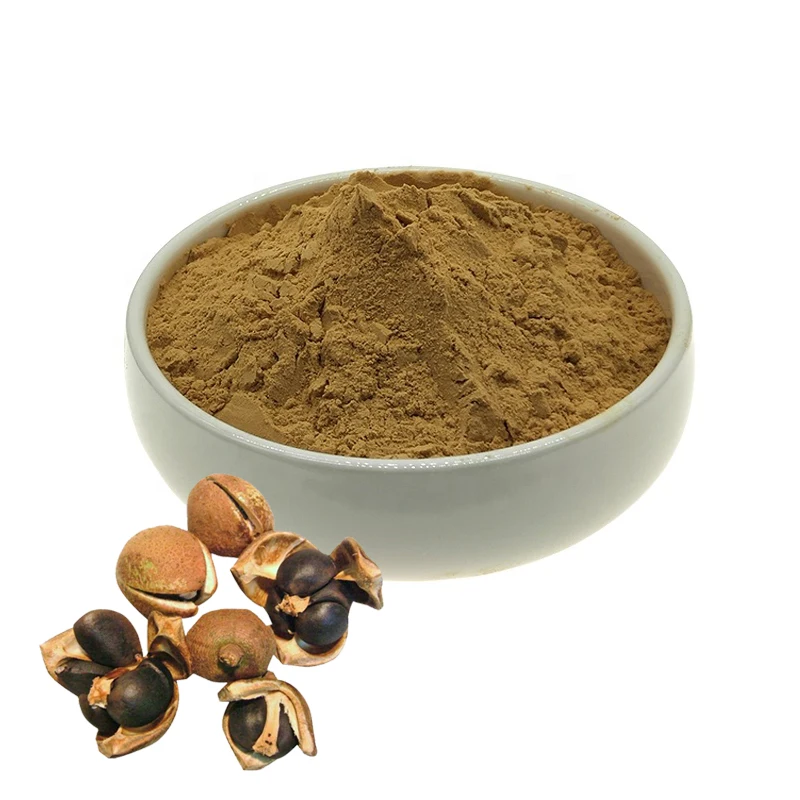
Tea saponin is a group of naturally occurring triterpenoid saponins found in Camellia species, particularly in the seeds and seed meal of Camellia oleifera .
Tea seed meal is produced as a by-product of oil extraction from Camellia oleifera seeds and is naturally rich in saponins. A recent review published in Food Chemistry describes tea seed meal as an important source of bioactive tea saponins and highlights their surface activity and biological properties.
The molecular structure of saponins gives them both hydrophilic and hydrophobic characteristics. This amphiphilic nature contributes to their ability to interact with biological membranes and surfaces.
These properties are partly responsible for the interest in tea saponin as a botanical pest-control ingredient.
How Does Tea Saponin Work Against Pests?
Tea saponin does not necessarily work through the same mechanism as conventional synthetic insecticides. Its biological effects can involve several mechanisms depending on the target insect and concentration.
Contact Activity
Research has shown that tea saponins can affect insects through contact.
In a study on the tea plantation pest Ectropis obliqua, researchers found that tea saponin had contact toxicity and could disrupt the insect's outer protective layer. The researchers reported damage to the waxy layer and increased water loss, contributing to insect mortality.
Stomach or Ingestion Activity
Tea saponin may also affect insects when consumed.
Research on Ectropis obliqua found that tea saponins could affect the insect digestive system after ingestion, including disruption of intestinal structures.
This suggests that tea saponin may have both contact and stomach-action potential against certain pests.
Feeding Deterrence
Plant saponins have also been studied for their antifeedant and deterrent effects.
A review of plant saponins reported that these compounds can reduce insect food intake, interfere with digestion, affect development, and reduce reproduction in susceptible insect species.
Consequently, tea saponin may be useful not only for direct insecticidal activity but also as part of strategies intended to reduce pest feeding.
Benefits of Tea Saponin for Pest Control
1. Plant-Derived Pest-Control Ingredient
One of the main advantages of tea saponin is its plant origin.
Tea saponin is obtained from Camellia oleifera, making it an attractive ingredient for agricultural formulations seeking botanical or plant-derived components.
However, "natural" does not automatically mean risk-free or suitable for unrestricted application. The safety and regulatory status of a tea-saponin product depend on its concentration, formulation, crop, target pest, and jurisdiction.
2. Insecticidal Activity
Scientific studies have demonstrated insecticidal activity of tea saponin against specific pests.
For example, research on Ectropis obliqua showed dose-dependent toxicity and reported significant control of larvae in laboratory and field experiments.
Another study found that tea saponins extracted from Camellia oleifera demonstrated both contact and stomach toxicity against this pest.
These results support further development of tea saponin-based botanical pest-control products.
3. Potential Repellent and Antifeedant Effects
Saponins have been reported to exhibit repellent and feeding-deterrent activity against several insect groups.
A review published in LWT – Food Science and Technology summarized research showing that plant saponins can affect pest feeding behavior, growth, development, and reproduction.
This makes tea saponin potentially useful in pest-management programs where reducing feeding pressure is an important objective.
4. Multiple Biological Effects
Unlike ingredients that are designed around one specific biological target, saponins may affect pests through several pathways.
Research has associated saponin activity with effects on insect digestive processes, detoxification enzymes, cell membranes, development, and feeding behavior.
This multifunctional activity is one reason saponins continue to receive attention in botanical pesticide research.
5. Potential Compatibility With Integrated Pest Management
Tea saponin may be considered as one component of an integrated pest management strategy.
A field study involving tea saponin against Ectropis obliqua found meaningful pest-control efficacy while observing substantially lower mortality of two spider species than with the chemical insecticides used for comparison. The researchers classified the tested tea-saponin treatment as harmless or slightly harmful to these natural enemies under the tested conditions.
Importantly, this does not mean that every tea-saponin formulation is harmless to beneficial organisms. Effects depend on concentration, formulation, application method, and species.
Applications of Tea Saponin for Pest Control
Tea Plantation Pest Management
One of the most directly studied applications is pest control in tea plantations.
Tea saponin has been investigated against Ectropis obliqua, a leaf-feeding caterpillar that can cause significant damage to tea plants.
Laboratory and field studies suggest that tea saponin can reduce populations of this pest and therefore has potential for incorporation into IPM programs for tea cultivation.
Vegetable Crop Protection
Tea saponin and other plant saponins have also been investigated against agricultural pests affecting vegetable crops.
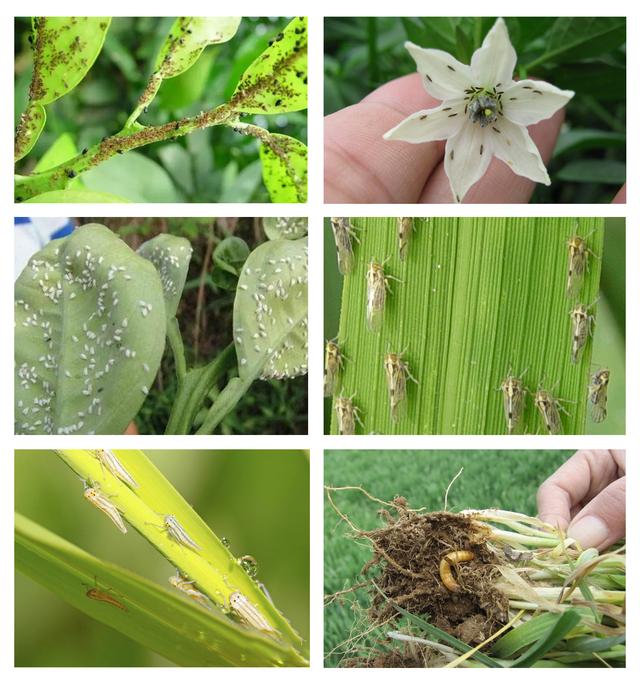
Research on plant saponins has reported activity against different groups of insects, including aphids, beetles, leafhoppers, moths, and other crop pests.
However, efficacy should be confirmed for the specific pest and crop before commercial field application.
Aphid Management
Aphids are important agricultural pests because they feed on plant sap and can contribute to crop damage and disease transmission.
Tea saponins have been investigated for insecticidal and repellent activity against aphid species. Reported effectiveness varies with concentration and experimental conditions.
Tea saponin may therefore be considered for research and development of botanical formulations targeting certain aphid populations.
Diamondback Moth
Diamondback moth (Plutella xylostella) is a major pest of cruciferous vegetables.
Studies summarized in the literature have reported that tea saponins can produce repellent and toxic effects against diamondback moth larvae, including reduced feeding, growth, pupation, and adult emergence at tested concentrations.
This provides a potential application area for tea-saponin-based pest-control research.
Botanical Pesticide Formulations
Tea saponin can be evaluated as an active botanical component or as part of a broader plant-derived formulation.
Its surface-active properties may also make it interesting for formulations where wetting, dispersion, or interaction with plant and insect surfaces is desirable.
The actual formulation must be designed carefully because surfactant activity, concentration, pH, solvent system, and compatibility with other ingredients can influence performance.

Tea Saponin as a Natural Surfactant in Pest-Control Formulations
One of the distinctive characteristics of tea saponin is its surface activity.
Saponins contain hydrophilic and hydrophobic portions, giving them soap-like properties. This allows them to interact with water and hydrophobic surfaces.
For agricultural formulations, this property can be useful when developing products that require improved wetting or dispersion.
However, tea saponin should not automatically be described as a universal pesticide surfactant. Its formulation function and insecticidal activity should be validated independently through appropriate testing.
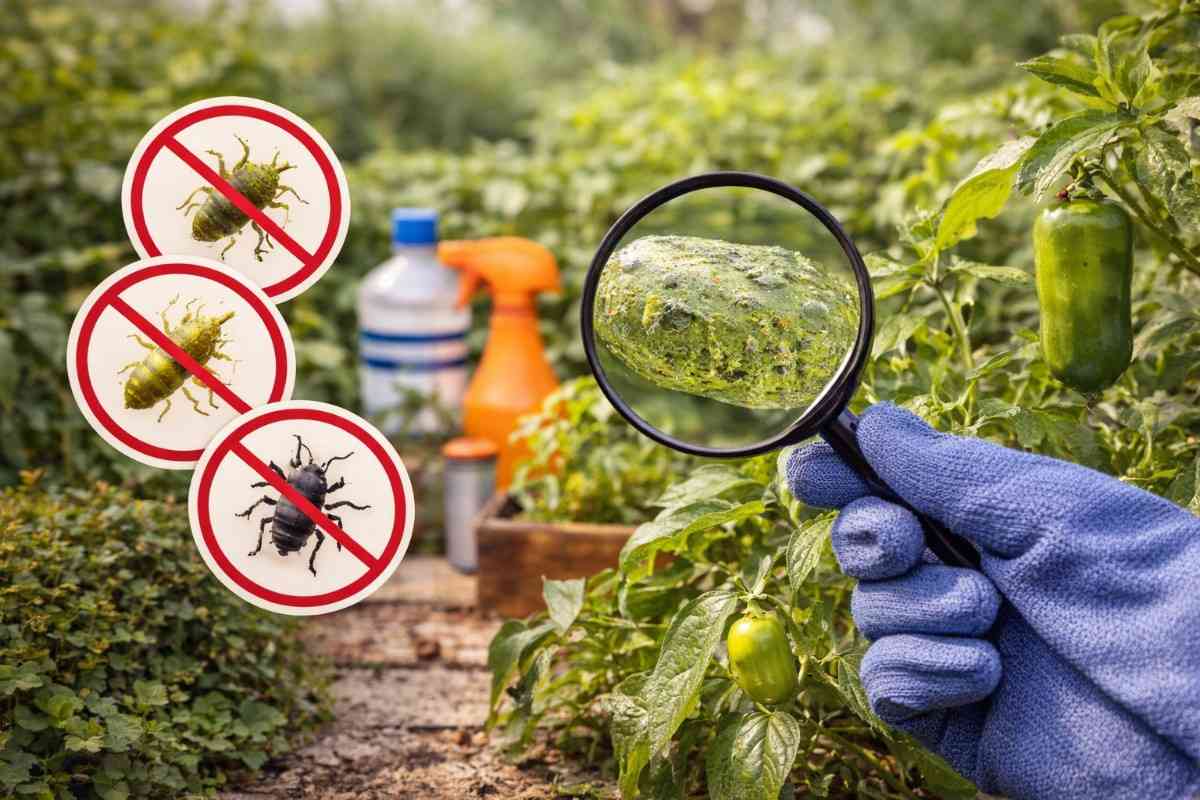
Tea Saponin vs. Synthetic Insecticides
Tea saponin and synthetic insecticides are fundamentally different categories of agricultural inputs.
Synthetic insecticides are generally developed and registered around defined active ingredients, target pests, application rates, and regulatory requirements.
Tea saponin is a plant-derived mixture of saponin compounds whose composition can vary depending on raw material and extraction method.
Potential advantages of tea saponin include:
- Plant-derived origin
- Biologically active saponins
- Potential insecticidal activity
- Potential feeding-deterrent activity
- Surface-active properties
- Potential use in IPM
- Utilization of Camellia oleifera processing by-products
However, conventional pesticides may provide more standardized activity and extensive regulatory data for particular pest-crop combinations.
Therefore, tea saponin should generally be considered as a potential botanical pest-management ingredient rather than automatically as a complete replacement for all synthetic pesticides.
Factors to Consider When Choosing Tea Saponin
For agricultural manufacturers and bulk buyers, product quality is important.
Saponin Content
A standardized saponin concentration makes it easier to compare batches and develop consistent formulations.
Purity
Impurities and residual materials from extraction can affect formulation performance. Buyers should request detailed specifications and a certificate of analysis.
Source
The botanical source should be clearly identified, particularly when the product is marketed as Camellia oleifera-derived tea saponin.
Solubility
Solubility and dispersion characteristics are important when tea saponin is intended for liquid agricultural formulations.
Stability
Storage temperature, moisture, light, and packaging conditions can influence product quality. Appropriate storage should follow the supplier's specification.
Microbiological and Contaminant Testing
Commercial agricultural products should be tested according to the requirements of the intended market, including relevant microbiological and contaminant specifications.
Tea Saponin Dosage for Pest Control
There is no universal tea saponin dosage for all crops and pests.
Research studies have used different concentrations depending on the target insect, extraction method, formulation, application technique, and experimental objective.
For example, one study evaluating tea saponin against Ectropis obliqua reported a laboratory LC50 of 164.32 mg/mL for a particular 30% tea-saponin preparation, while field efficacy was evaluated separately.
Another study using purified total saponins from Camellia oleifera reported much lower LC50 values under its laboratory conditions.
These differences demonstrate why published concentrations should not be directly converted into a universal field application rate.
For commercial agricultural products, dosage should be established through formulation testing, crop trials, target-pest trials, and applicable regulatory requirements.
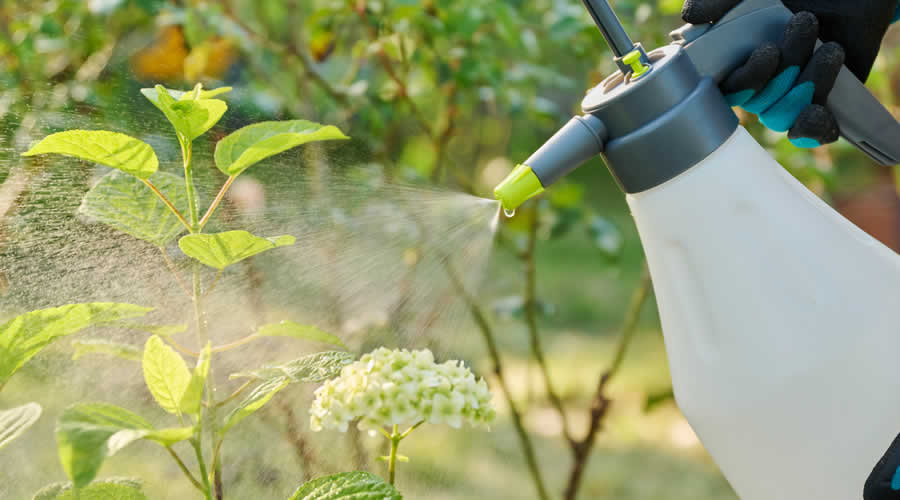
Safety and Environmental Considerations
Tea saponin has potential as a botanical pest-control ingredient, but its environmental profile should be evaluated based on the actual formulation and application conditions.
Tea saponins are biologically active compounds, and their effects can extend beyond target pests depending on concentration and exposure.
For example, research has examined their effects on beneficial spiders and found lower toxicity under certain tested conditions than conventional insecticides, but this result cannot be generalized to every beneficial insect, formulation, or application rate.
Agricultural users should therefore follow the label and applicable regulations and conduct appropriate compatibility and non-target-organism testing.
Conclusion
Tea saponin is a promising plant-derived ingredient for agricultural pest management. Obtained primarily from Camellia oleifera seeds and seed meal, it combines natural surface activity with biological effects that have been investigated against several important insect pests.
Scientific studies have demonstrated contact and ingestion-related toxicity against certain pests, while broader research on plant saponins has reported repellent, antifeedant, developmental, and insecticidal effects.
Its strongest potential may be as part of an integrated pest management strategy, particularly where producers are interested in botanical and plant-derived agricultural inputs.
Nevertheless, tea saponin is not a universal pesticide. Performance depends on the target pest, crop, formulation, concentration, application method, environmental conditions, and product quality. Field validation and compliance with local pesticide regulations are essential before commercial use.
References
Cui, C., Yang, Y., Zhao, T., Zou, K., Peng, C., Cai, H., Wan, X., & Hou, R. (2019). Insecticidal Activity and Insecticidal Mechanism of Total Saponins from Camellia oleifera. Molecules, 24 (24), 4510.
Zeng, Y., et al. (2018). Tea saponin reduces the damage of Ectropis obliqua to tea crops, and exerts reduced effects on the spiders Ebrechtella tricuspidata and Evarcha albaria compared to chemical insecticides. PeerJ, 6 , e4824.
Singh, B., & Kaur, A. (2018). Control of insect pests in crop plants and stored food grains using plant saponins: A review. LWT – Food Science and Technology, 87 , 93–101. DOI: 10.1016/j.lwt.2017.08.077.
Zhang, J., Liu, J., Wang, J., et al. (2025). Advances in Camellia oleifera seed meal Saponins: Extraction, analysis, bioactivity, and application. Food Chemistry, 492 , 145277. DOI: 10.1016/j.foodchem.2025.145277.
Exploring the potential of saponins from Dicotyledonous plants in sustainable pest management: Innovations and challenges. (2025). Review of saponin-based pest management, mechanisms, applications, environmental considerations, and development challenges.
FAQ
Q1: What is Tea Saponin?
A1: Tea Saponin is a naturally occurring group of plant compounds primarily obtained from the seeds and seed meal of Camellia oleifera. It has natural surface-active properties and has been studied for insecticidal, repellent, and feeding-deterrent effects against certain agricultural pests.
A2: Tea Saponin may affect susceptible insects through several mechanisms, including contact activity, ingestion-related effects, feeding deterrence, and disruption of biological processes. Research has reported effects on insect membranes, digestive structures, feeding behavior, development, and survival.
Q3: What are the benefits of Tea Saponin for pest control?
A3: Tea Saponin offers several potential benefits, including plant-derived origin, insecticidal activity against certain pests, potential repellent and antifeedant effects, surface-active properties, and potential use as part of integrated pest management (IPM) programs.
Q4: What pests can Tea Saponin control?
A4: Research has investigated tea saponins against several agricultural pests, including caterpillars, aphids, diamondback moths, and other insects. Effectiveness varies according to the pest species, concentration, formulation, application method, and environmental conditions.
Q5: Can Tea Saponin be used against caterpillars?
A5: Yes. Tea saponins have been studied against caterpillar pests such as Ectropis obliqua. Research has reported contact and ingestion-related toxicity, as well as effects on feeding and survival under tested conditions.
Q6: Can Tea Saponin be used for aphid management?
A6: Tea saponins have been investigated for insecticidal and repellent activity against certain aphid species. However, performance can vary depending on aphid species, concentration, formulation, crop, and application conditions, so field testing is recommended.
Q7: Can Tea Saponin be used against Diamondback Moth?
A7: Tea saponins have been investigated against diamondback moth (Plutella xylostella), a major pest of cruciferous vegetables. Research has reported effects including reduced feeding, growth, pupation, and adult emergence at tested concentrations.
Q8: Can Tea Saponin act as a natural insect repellent?
A8: Tea saponin and other plant saponins have been studied for potential repellent and antifeedant effects. These effects may reduce pest feeding or alter insect behavior, although results depend on the insect species and application conditions.
Q9: Can Tea Saponin be used in Integrated Pest Management (IPM)?
A9: Yes. Tea Saponin may be considered as one component of an Integrated Pest Management (IPM) program. It can potentially complement other pest-management approaches, but compatibility with beneficial organisms and other treatments should be evaluated for the specific formulation and application.
Q10: Is Tea Saponin a replacement for synthetic insecticides?
A10: Tea Saponin should not automatically be considered a complete replacement for conventional synthetic insecticides. It is a botanical pest-management ingredient with activity that can vary according to the target pest, crop, formulation, concentration, and environmental conditions.