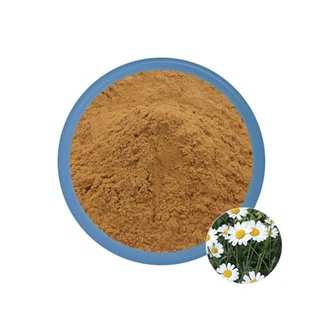
The current agricultural model has two problems in one: the feeding of the world and maintaining soil fertility at the same time and lessening the degradation of the environment. The traditional chemical products like pesticides and chemical fertilizers predominantly have a leaning towards triggering soil erosion, water pollution, and less biodiversity. Since crop scientists and farmers are still to identify more eco-friendly alternatives, tea saponin, a phytochemical constituent of tea plant seeds (Camellia sinensis or Camellia oleifera), has been reported to be a promising substitute.
Tea saponin is a bioactive phyto-surfactant and is used in several agricultural uses. Apart from its usage in enhancing the condition of soil, it also finds use in enhancing crop yields to the extent that it serves as an organic insecticide, conditioner of the soil, and plant growth regulator. This blog discusses the use of tea saponin in agriculture and why tea saponin is being given the status of a green ag input.
What is Tea Saponin
Tea saponin is tea seed glycoside. It is conventionally used in pesticides, aquaculture, and detergents due to its surface activity, degradability, and antimicrobial. Tea saponin is a green growth stimulant, pest control, and soil health stimulant.

Benefits of Tea Saponin to Soil Health
1. Improves the fertility and structure
Tea saponin increases soil conditioning with respect to water uptake and nutrient uptake. Surfactant action of tea saponin suppresses aeration and compaction of the soil, which is favorable for beneficial microbial life. Symbiotic microbial population is responsible for the decomposition of organic residues and cycling of nutrients, causing an increase in soil fertility.
2. Maintains Soil Microbial Balance
Soil microbes are needed for increasing growth in plants and disease resistance. Tea saponin inhibits harmful pathogens such as nematodes, fungi, and bacteria but stimulates beneficial microbes. This action of balancing builds natural soil biodiversity and protects against overgrowth of pathogenic microbes.
3. Supports Remediation in the Soil
Tea saponin has also been promising in the removal of organic toxins and heavy metals from contaminated soils. As a surfactant, it can mobilize and entrap toxins, and this makes detoxifying contaminated soils much better. This makes tea saponin an extremely important part of sustainable land reclamation activities.
Benefits of Tea Saponin to Plant Health
1. Organic Pest Control
Tea saponin is a well-established natural insecticide. It retards the cell membrane of insect, nematode, and other pest population for infestation suppression without plant and beneficial organism toxicity like bees and earthworms. Withering chemical pesticides, it reduces the frequency of chemical residues on crops and soil.
2. Fungal and Bacterial Control
Tea saponin is a very efficient antimicrobial compound that controls the spread of plant disease such as root rot and fungal disease. Guard activity enhances immunity in the plants and minimizes loss in terms of disease infection.
3. Enhances Nutrient Uptake
With the enhanced root and soil fertility, tea saponin enhances nutrient uptake and nutrient availability of valuable nutrients such as nitrogen, phosphorus, and potassium. Improved nutrient uptake leads to enhanced crop yield and quality crops.
4. Stimulates Seed Germination and Plant Development
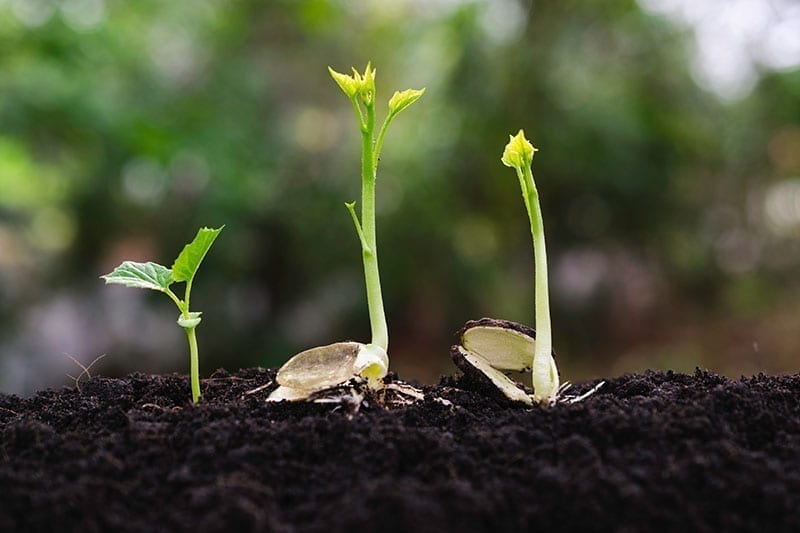
Tea saponin is used to increase seed germination ratio and early plant development. Since it can stimulate the roots, it helps crops grow as needed, especially in poor or exhausted soils.

Utilization of Tea Saponin in Agriculture
1. Component of Natural Fertilizer
Tea saponin powder or liquid may be mixed with organic manure by farmers to enhance microbial processes and nutrient cycling in the soil. The mixture enhances soil fertility without chemical additives.
2. In Soil Remediation Projects
In contaminated farms, tea saponin has the ability to be applied in rehabilitating the fertility of the soil through chelation and to allow the removal of contaminants. It allows for the recovery of devastated lands in the long run.
3. As a Biopesticide
Tea saponin is also used as a foliar spray, soil drench, or seed treatment to prevent diseases and pests naturally. It does not experience any immediate degradation in the environment, unlike chemical pesticides, and is therefore safe to use among human subjects, animals, and beneficial organisms.
4. In Sustainable Farming Systems
Tea saponin likewise adheres to sustainable and organic schools of philosophy in agriculture by reducing the application of toxic inputs. Organic farmers utilizing integrated pest management (IPM) or sustainable agriculture turn to tea saponin as an organic ally.

Why Tea Saponin Is A Bright Idea for Sustainable Agriculture
Nature-Friendly and Biodegradable – Tea saponin, unlike chemical agrochemicals, is readily biodegradable in water and soil without leaving any toxic residues.
- Affordable – It can potentially reduce farmers' dependence on expensive pesticides and chemical fertilizers.
- Improves Crop Quality and Yield – Improved efficiency of nutrient use and soil health result in improved crop quality and yield.
- Farmers and Consumers Friendly – Tea saponin removes the hazards associated with chemical exposure, thereby making farm labor safer for farm workers and end-consumers.
- Promotes Climate-Resilient Agriculture – By improving the health of the soil, it makes the crops more resistant to diseases, drought, and pests.

Conclusion
Tea saponin is not just a natural surfactant-it's actually a fabulous agricultural input that increases soil fertility, stimulates plant growth, and protects the crops from pests and diseases. Its non-toxic, eco-friendly nature makes it a highly desirable choice over synthetic agrochemicals, hence the push towards sustainable agriculture globally.
With the transformation of agriculture into more environmentally friendly processes, tea saponin is an effective, sustainable, and organic option to foster crop and soil health. Adopting tea saponin in modern agriculture allows farmers to improve production levels without damaging the environment and maintaining the fertility of the soil in the long term.
References
He, M., Yang, S., & Zhang, Z. (2019). Effects of tea saponin on soil microbial communities and plant growth. Applied Soil Ecology, 141, 18–25.
Xu, J., Chen, Z., & Wang, L. (2020). Application of tea saponin in agriculture: Soil remediation and pest management. Journal of Cleaner Production, 264, 121583.
Liu, Q., Zhou, Y., & Huang, X. (2018). Tea saponin as a natural pesticide and soil conditioner: A review. Agriculture and Natural Resources, 52(4), 313–320.
Fang, Y., & Chen, X. (2021). Sustainable application of tea seed saponin in green agriculture. Environmental Science and Pollution Research, 28, 45123–45135.
Li, Y., Zhang, H., & Wu, J. (2017). Biodegradation and environmental safety of tea saponin in soil. Ecotoxicology and Environmental Safety, 145, 245–252.