In the era of climate change, soil degradation, and excessive use of pesticides, farmers everywhere are looking for agricultural inputs that are efficient as well as sustainable. One such sustainable input is tea saponin powder, which is produced from tea plant seed (Camellia oleifera), and there is growing interest in it. Due to its intrinsic surfactant properties, pest management advantages, and capacity to amend the soil, tea saponin powder is becoming an important input in organic and regenerative farming systems.
This post talks about what tea saponin powder is, how it works, and why it's such an important input in sustainable farming-ranging from conditioning the soil through green pest management.

1. What Is Tea Saponin Powder?
Tea saponin is a glycoside that naturally occurs in the tea tree seed (Camellia oleifera or Camellia sinensis). In powder form, it is a multi-purpose agroadditive utilized for:
- Being a natural pesticide for certain soil-dwelling insects and pests.
- Being a foliar spray surfactant and fertiliser that may be biodegradable.
- Improving soil condition and microbial richness.
- Promoting organic and ecological agriculture.
Surfactant activity in tea saponin reduces surface tension, increasing water infiltration and nutrient absorption in crops and soils.

2. Most Significant Applications of Tea Saponin Powder in Organic Farming
2.1 Integrated Pest Management
Tea saponin is possibly the best-known natural insecticide. Its compounds are poisonous to certain soft-bodied insects, such as:
- Nematodes
- Snails and slugs
- Certain insects
Tea saponin is an effective biologic control that disrupts pest cell membranes without harming helpful insects such as bees and ladybugs.
Why it's sustainable:
Unlike chemical pesticides, tea saponin breaks down and won't be left behind in the ecosystem. It helps to reduce the chemical load of agricultural fields, saving soil and water systems.
2.2 Soil Health Improvement
Healthy soil is the heart of successful agriculture. Tea saponin improves soil structure and fertility in a number of ways:
- Enhances microbial diversity - Tea saponin promotes beneficial soil microbes that are crucial for nutrient cycling and plant growth.
- Enhances aeration - Decomposing ground compaction makes roots stronger and able to grow deeper, absorbing more nutrients.
- Enhances nutrient availability - Surfactant action by its molecule dissolves and distributes nutrients evenly.
Why it's sustainable
Increased soil health reduces unnecessary fertilizers required and increases long-term crop production.
2.3 Natural Surfactant for Fertilizers and Pesticides
Tea saponin is a natural surfactant that improves spread and tackiness of foliar sprays such as:
- Liquid fertilizers
- Biological pesticides
- Plant growth regulators
- This reduces product required to achieve the same effect.
Why it's sustainable:
Improved application saves overall use of input, lowering environmental loss and production cost.
2.4 Weed and Algae Control
The allelopathic effect of tea saponin inhibits the growth of certain weeds and water algae. Applied as irrigation pond water or paddy field irrigation water, it will inhibit intensive competition by noxious weeds without using chemical herbicides.
Why it's sustainable:
Organic weed control allows for the conservation of biodiversity and reducing herbicide-resistant weeds.
2.5 Organic Farming Friendly
Since tea saponin is plant-based and biodegradable, it meets the majority of organic certifying standards. Organic farmers of vegetables, fruits, and grains can apply it harmlessly as an alternative to chemical insecticides.

3. Mode of Action of Tea Saponin in Agriculture
The reason why tea saponin works is that its amphiphilic molecular make-up allows it to act on both aqueous and oily substances with equal effectiveness. The effect of such chemistry is:
- Disrupting cell membranes of certain pests, causing them to die.
- Low surface tension of liquids, improving soil penetration.
- Foaming and emulsification that aids in leveling sprays.
Its natural toxicity to certain pests and its impact on conditioning soil make tea saponin a multipurpose agricultural product.

4. Agricultural Applications of Tea Saponin Powder
4.1 Soil Treatment
Technique: Mix tea saponin powder with compost or soil.
Advantages: Controls nematodes and improves microbial activity.
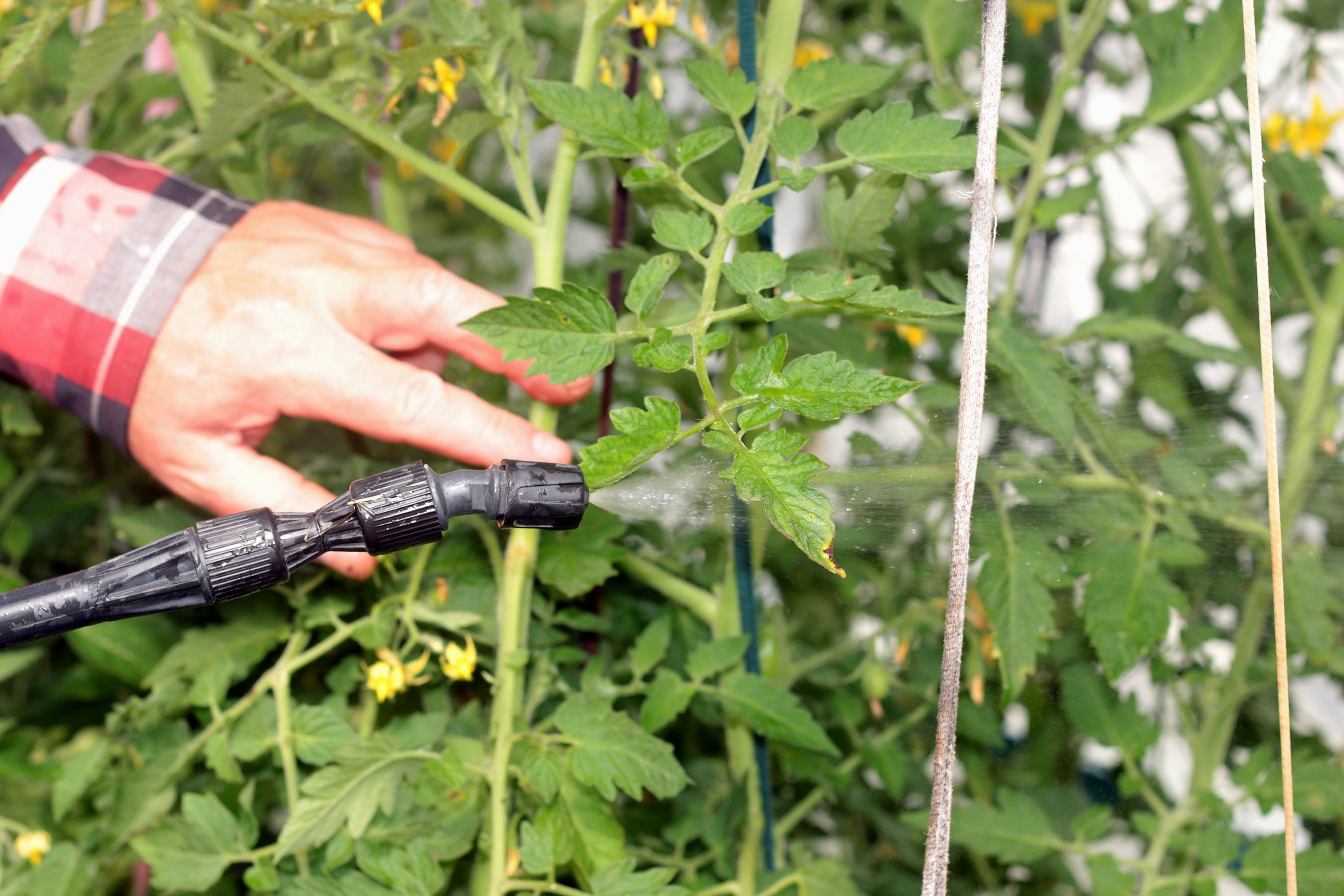
4.2 Spray Foliar
Method: Mix tea saponin powder in water and mix with biological insecticides or fertilizers.
Benefits: Increases coverage, reduces spray runoff, and maximizes nutrient uptake.
4.3 Aquatic Weed Suppression
Method: Spray irrigation ditches or ponds.
Benefits: Effective aquatic weeds and algae suppression but not to kill fish if used at correct concentration.
4.4 Livestock Bedding Treatment
Method: Minor application on bed material.
Benefits: Avoids odor and minor pest infestation in barn.

5. Economic and Environmental Benefits
| Aspect | Tea Saponin Benefit | Sustainability Impact |
|---|---|---|
| Pest Control | Natural biopesticide for nematodes & snails | Reduces chemical pesticide dependence |
| Soil Fertility | Improves microbial activity & structure | Enhances long-term soil productivity |
| Input Efficiency | Acts as a natural surfactant | Reduces fertilizer & pesticide waste |
| Water Protection | Biodegradable and non-polluting | Prevents runoff contamination |
| Organic Farming Compliance | Plant-derived & eco-friendly | Supports organic certification |
6. Safety and Usage Considerations
Even though tea saponin is organic, it still needs to be applied judiciously:
Avoid overuse since excessive doses may be toxic to sensitive plants.
Keep away from direct skin and eye contact when using it.
Observe the recommended rate of use for soil application as well as foliar spray application.

7. The Role of Tea Saponin in Future Agriculture
With agriculture shifting towards regenerative agriculture and climate-resilient agriculture, the role of tea saponin will also become all the more important. It aligns with UN Sustainable Development Goals (SDGs) for sustainable production, soil renewal, and conservation of biodiversity.

Conclusion
Tea saponin powder isn't just a residual of tea oil manufacturing-now it's a green giant in sustainable farming. With its insecticide strength, soil fertility potential, and eco-friendliness, tea saponin is the farmers' ammo to gain more out of their yields without trashing the planet.
With tea saponin brought into agricultural systems, farmers can enter a healthier, tougher, and greener food future.
References
Chen, X., et al. (2011). "Saponins from Camellia oleifera seed cake and their biological activities." Journal of Agricultural and Food Chemistry, 59(7), 3118–3126.
Yang, R., et al. (2013). "Control of plant-parasitic nematodes by saponins from tea seed cake." Crop Protection, 45, 88–94.
FAO. (2021). Sustainable crop production and pest management. Food and Agriculture Organization of the United Nations.
Li, Y., et al. (2016). "Allelopathic effects of tea saponin on weed suppression." Allelopathy Journal, 38(2), 205–214.